
With millions of Americans exploring natural alternatives for wellness, kratom has emerged as one of the most discussed botanical supplements of our time. Yet despite its growing popularity, many people struggle to understand how to use this Southeast Asian plant safely and effectively. The difference between a positive experience and an unpleasant one often comes down to proper knowledge and responsible use.
- Start low and go slow – Begin with 1-2 grams and gradually increase to find your optimal dose
- Choose the right strain – Red strains for relaxation, white for energy, green for balanced effects
- Quality matters – Source from reputable vendors who provide lab testing and transparent information
- Timing is crucial – Take kratom on an empty stomach for best effects, but consider food if nausea occurs
- Listen to your body – Monitor effects, take breaks, and avoid daily use to prevent tolerance
Understanding Kratom: The Basics
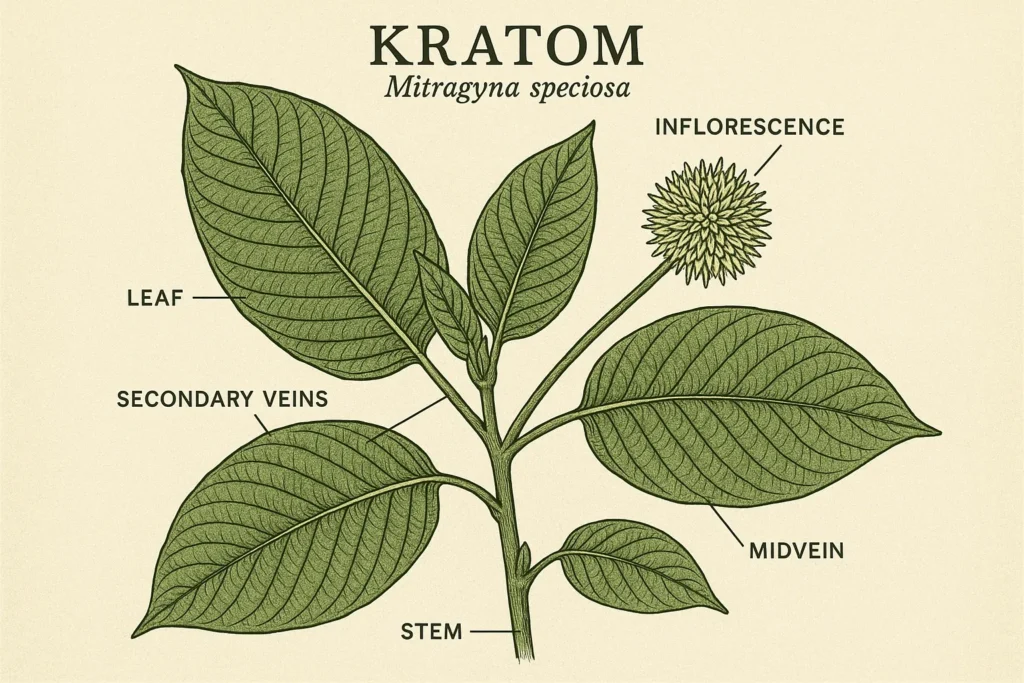
Kratom (Mitragyna speciosa) is a tropical tree native to Southeast Asia, where its leaves have been used traditionally for centuries. The plant contains over 40 alkaloids, with mitragynine and 7-hydroxymitragynine being the most prominent and well-studied compounds responsible for its effects.
Unlike synthetic substances, kratom’s effects can vary significantly based on several factors:
- Dosage amount 📊
- Strain type 🌿
- Individual body chemistry 🧬
- Tolerance levels ⚖️
- Quality and freshness ✨
Understanding these variables is essential for anyone learning how to take kratom responsibly.
How to Take Kratom: Methods and Techniques
Traditional Methods
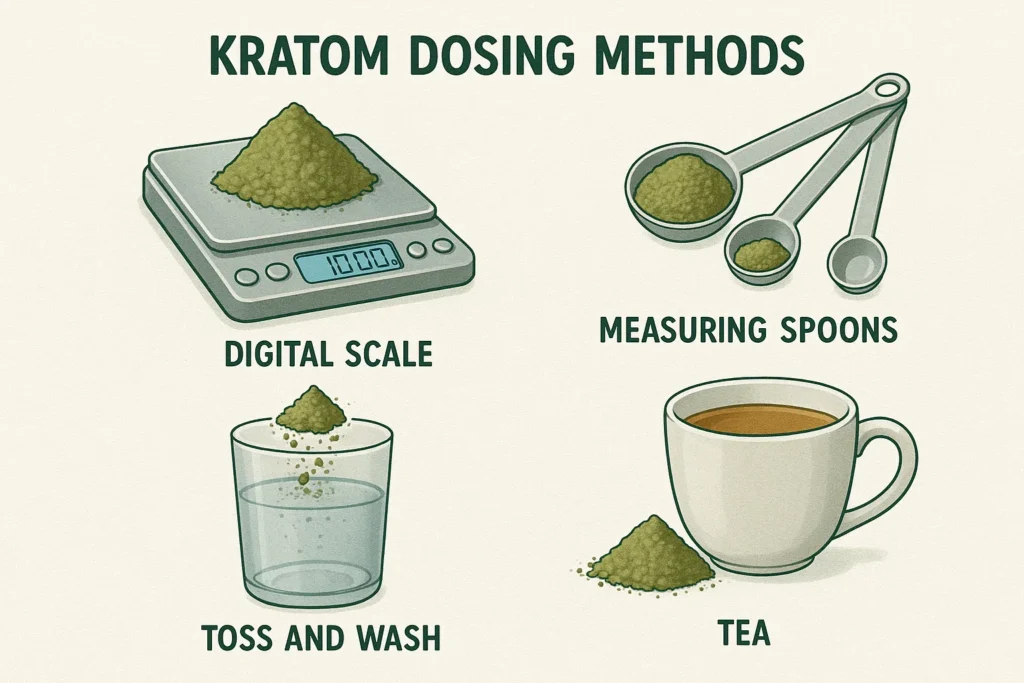
Toss and Wash 🥄
This popular method involves placing kratom powder directly on the tongue and washing it down with liquid. While efficient, it requires practice to avoid the bitter taste.
Steps:
- Measure your dose carefully
- Place powder on the back of your tongue
- Immediately follow with water or juice
- Swallow quickly to minimize taste
Tea Preparation 🍵
Many users prefer brewing kratom tea for a gentler experience and easier digestion.
Basic tea recipe:
- Simmer kratom powder in water for 15-20 minutes
- Strain through a fine mesh or coffee filter
- Add honey, lemon, or ginger to improve taste
- Consume while warm for best effects
Modern Consumption Methods
Capsules 💊
Pre-measured kratom capsules offer convenience and eliminate taste concerns, though effects may take longer to manifest.
Mixing with Food 🥤
Blending kratom powder into smoothies, yogurt, or applesauce can mask the bitter flavor while providing consistent dosing.
Kratom Strains: Understanding the Differences
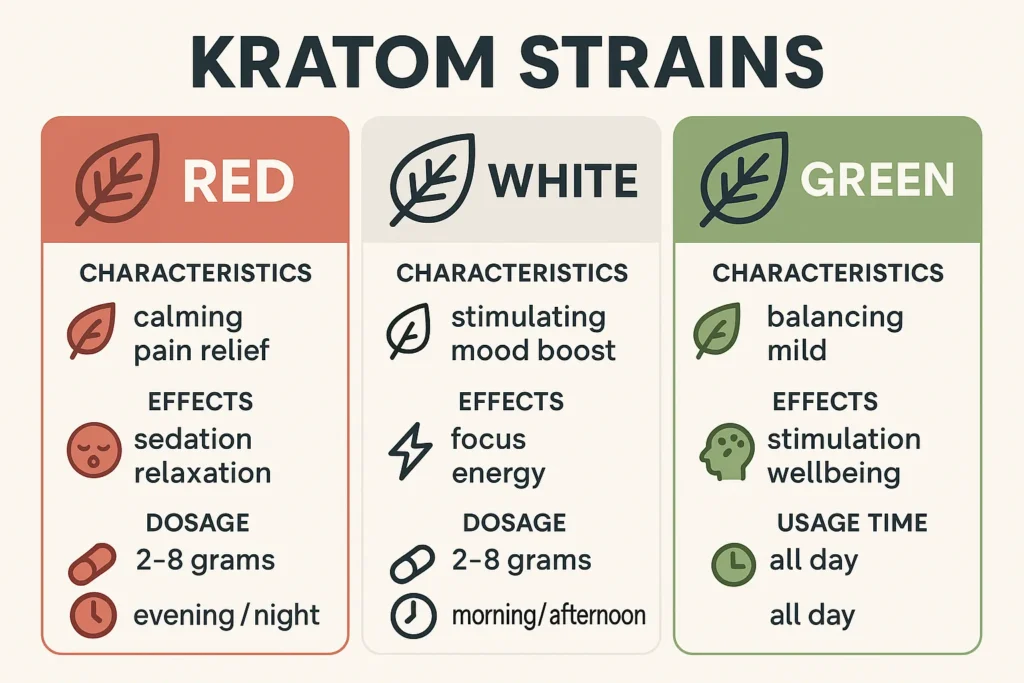
The color of kratom’s leaf veins determines its classification and general effect profile. Each strain offers unique characteristics that appeal to different user preferences and needs.
Red Vein Kratom 🔴
Characteristics:
- Most sedating and relaxing
- Longer-lasting effects (4-6 hours)
- Popular for evening use
- Higher 7-hydroxymitragynine content
Popular red strains:
White Vein Kratom ⚪
Characteristics:
- Most stimulating and energizing
- Shorter duration (3-4 hours)
- Best for morning use
- Higher mitragynine content
Popular white strains:
- White Maeng Da
- White Thai
- White Sumatra
- Ultra Enhanced Indo
Green Vein Kratom 🟢
Characteristics:
- Balanced effects between red and white
- Moderate duration (4-5 hours)
- Versatile for any time of day
- Balanced alkaloid profile
Popular green strains:
- Green Malay
- Green Maeng Da
- Green Bali
- Green Vietnam
Kratom Dosage Guidelines: Finding Your Sweet Spot
Proper dosing is perhaps the most critical aspect of learning how to take kratom safely. The plant exhibits a unique dose-response curve where higher amounts don’t always produce stronger effects.
Beginner Dosage Chart
| Experience Level | Dose Range | Expected Effects |
|---|---|---|
| New User | 1-2 grams | Mild, subtle effects |
| Light User | 2-3 grams | Noticeable but gentle |
| Moderate User | 3-5 grams | Standard effects |
| Experienced User | 5-7 grams | Strong effects |
| High Tolerance | 7+ grams | Maximum effects |
Factors Affecting Dosage
Body Weight and Metabolism ⚖️
Larger individuals typically require higher doses, while those with faster metabolisms may need more frequent dosing.
Tolerance Levels 🔄
Regular users often need higher amounts to achieve the same effects, making tolerance breaks essential.
Strain Potency 💪
Some strains are naturally more potent than others, requiring dosage adjustments.
Individual Sensitivity 🎯
Personal body chemistry significantly influences how kratom affects each person.
Safety Guidelines and Best Practices
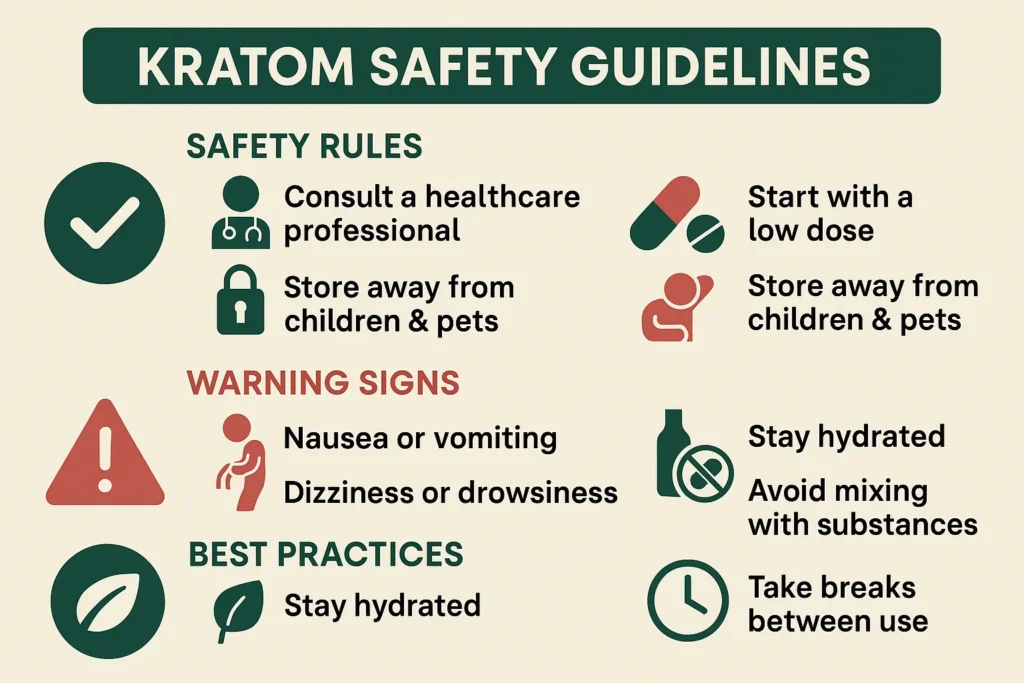
Essential Safety Rules
Start Low, Go Slow 🐌
Always begin with the smallest effective dose and increase gradually over time. This approach minimizes the risk of adverse effects and helps establish your personal tolerance.
Use a Digital Scale ⚖️
Eyeballing kratom doses can lead to inconsistent and potentially unsafe consumption. Invest in a quality digital scale accurate to 0.1 grams.
Stay Hydrated 💧
Kratom can be dehydrating, so maintain adequate fluid intake throughout the day.
Avoid Daily Use 📅
Regular daily consumption can lead to tolerance and dependence. Consider using kratom no more than 2-3 times per week.
What to Avoid
❌ Mixing with alcohol or other substances
❌ Driving or operating machinery
❌ Taking kratom when pregnant or nursing
❌ Exceeding 10 grams in a single dose
❌ Using kratom to treat medical conditions without professional guidance
Understanding Kratom Effects and Duration
Onset and Timeline
Powder/Tea: 15-30 minutes
Capsules: 30-60 minutes
Peak Effects: 1-2 hours after onset
Total Duration: 3-6 hours depending on strain and dose
Common Effects by Dose Range
Low Doses (1-3g):
- Increased alertness
- Mild mood enhancement
- Subtle energy boost
- Enhanced focus
Moderate Doses (3-5g):
- Balanced energy and relaxation
- Mood improvement
- Pain relief
- Social confidence
Higher Doses (5g+):
- Sedating effects
- Strong relaxation
- Potential nausea
- Drowsiness
Choosing Quality Kratom Products
The kratom market varies widely in quality, making vendor selection crucial for safety and effectiveness. Where to buy kratom online safely requires careful research and attention to key quality indicators.
Quality Indicators
Lab Testing 🧪
Reputable vendors provide certificates of analysis showing:
- Alkaloid content
- Heavy metals testing
- Microbial contamination screening
- Pesticide residue analysis
Transparency 🔍
Quality vendors offer:
- Clear sourcing information
- Detailed product descriptions
- Responsive customer service
- Money-back guarantees
Fresh Products 🌱
Look for vendors who:
- Rotate inventory regularly
- Store products properly
- Provide harvest or packaging dates
- Offer vacuum-sealed packaging
Recommended Vendor Characteristics
When researching vendors, consider those like Alaskan Green Clover and All Natural Artisan that demonstrate commitment to quality through comprehensive testing and transparent business practices.
🌿 Kratom Dosage Calculator
Legal Considerations and Regulations
Before learning how to take kratom, it’s essential to understand its legal status in your area. Kratom legality in the USA varies by state and local jurisdiction, with some areas implementing restrictions or outright bans.
Current Legal Status
Federally Legal ✅
Kratom remains legal at the federal level, though the FDA continues to monitor its use and safety profile.
State-Level Variations 📍
Several states have implemented their own regulations:
- Banned states: Alabama, Arkansas, Indiana, Rhode Island, Vermont, Wisconsin
- Age restrictions: Some states require users to be 18 or 21+
- Regulated states: States like Florida have specific labeling and testing requirements
Local Ordinances 🏛️
Some cities and counties have enacted their own kratom restrictions, even in states where it’s legal.
Managing Tolerance and Preventing Dependence
Understanding tolerance development is crucial for anyone learning how to take kratom responsibly over the long term.
Signs of Tolerance
- Needing higher doses for the same effects
- Shorter duration of effects
- Reduced overall effectiveness
- More frequent dosing
Prevention Strategies
Rotation Schedule 🔄
Rotate between different strains to prevent tolerance to specific alkaloid profiles.
Planned Breaks 📅
Take regular tolerance breaks:
- 2-3 days off per week minimum
- Weekly breaks every month
- Extended breaks every few months
Dose Discipline ⚖️
Resist the urge to increase doses when effects diminish. Instead, take a break or switch strains.
Potential Side Effects and How to Minimize Them
While kratom is generally well-tolerated, understanding potential side effects helps users make informed decisions about how to take kratom safely.
Common Side Effects
Mild Side Effects:
- Nausea (especially on empty stomach)
- Dizziness
- Dry mouth
- Constipation
- Mild headache
Serious Side Effects (rare):
- Severe nausea and vomiting
- Respiratory depression (high doses)
- Liver concerns (with excessive use)
- Dependency potential
Minimization Strategies
Proper Hydration 💧
Drink plenty of water before, during, and after kratom use to prevent dehydration and constipation.
Food Timing 🍽️
Take kratom on an empty stomach for maximum absorption, but eat something light if nausea occurs.
Gradual Dosing 📈
Increase doses slowly over time rather than jumping to higher amounts quickly.
Quality Products ⭐
Use only lab-tested kratom from reputable vendors to avoid contamination and ensure consistent potency.
Drug Testing and Detection
For those subject to drug testing, understanding how long kratom stays in your system is important for making informed decisions.
Detection Windows
Urine Tests: 2-9 days depending on usage patterns
Blood Tests: 24-48 hours
Hair Tests: Up to 90 days (rarely tested)
Saliva Tests: 1-3 days
Factors Affecting Detection
- Frequency of use 📊
- Dosage amounts ⚖️
- Individual metabolism 🧬
- Body composition 💪
- Hydration levels 💧
Special Populations and Considerations
Age Considerations
Adults 18+ ✅
Most kratom advocates recommend limiting use to adults 18 and older due to developing brain chemistry in younger individuals.
Elderly Users 👴
Older adults should start with lower doses due to potentially slower metabolism and increased sensitivity.
Health Conditions
Liver Concerns 🫀
Individuals with liver conditions should consult healthcare providers before using kratom, as some cases of liver toxicity have been reported with heavy use.
Mental Health 🧠
Those with anxiety, depression, or other mental health conditions should monitor their response carefully and consider professional guidance.
Pregnancy and Nursing 🤱
Kratom use is not recommended during pregnancy or while breastfeeding due to limited safety data.
Building a Sustainable Kratom Routine
Creating a sustainable approach to kratom use involves balancing effectiveness with safety and long-term wellness goals.
Weekly Planning Template
Monday: Green strain, moderate dose
Tuesday: Rest day
Wednesday: White strain, low dose
Thursday: Rest day
Friday: Red strain, moderate dose
Saturday & Sunday: Rest days
Tracking Your Experience
Keep a Kratom Journal 📔
Record:
- Strain and dose taken
- Time of consumption
- Effects experienced
- Duration of effects
- Any side effects
- Overall satisfaction rating
Long-term Considerations
Regular Evaluation 🔍
Periodically assess whether kratom continues to serve your wellness goals without negative impacts.
Professional Consultation 👩⚕️
Consider discussing kratom use with healthcare providers, especially if you have underlying health conditions or take medications.
Kratom and Drug Interactions
Understanding potential interactions is crucial for safe kratom use, particularly for individuals taking prescription medications.
Categories of Concern
CNS Depressants 😴
Combining kratom with alcohol, benzodiazepines, or opioids can increase sedation risks.
Blood Pressure Medications 💊
Kratom may interact with certain blood pressure medications, requiring monitoring.
Liver-Processed Drugs 🫀
Kratom may affect how the liver processes certain medications, potentially altering their effectiveness.
Safety Protocols
- Consult healthcare providers about potential interactions
- Never combine kratom with alcohol or recreational drugs
- Monitor for unusual effects when taking any medications
- Space kratom use away from other medications when possible
As kratom’s popularity continues to grow, ongoing research and evolving regulations shape how people approach learning how to take kratom safely.
Current Research Areas
Alkaloid Studies 🧪
Scientists are investigating kratom’s alkaloid profiles to better understand its effects and potential therapeutic applications.
Safety Research 🔬
Ongoing studies examine kratom’s safety profile, including optimal dosing guidelines and long-term effects.
Quality Standards 📋
Industry groups are working to establish standardized testing and quality control measures.
Regulatory Developments
Good Manufacturing Practices 🏭
Some states are implementing GMP requirements for kratom products to ensure quality and safety.
Age Restrictions 🔞
Many jurisdictions are establishing minimum age requirements for kratom purchase and use.
Labeling Requirements 🏷️
Enhanced labeling standards help consumers make informed decisions about products and dosing.
Emergency Situations and When to Seek Help
While serious adverse events are rare with responsible kratom use, knowing when to seek medical attention is important.
Warning Signs
🚨 Seek immediate medical attention for:
- Severe nausea and persistent vomiting
- Difficulty breathing
- Chest pain or heart palpitations
- Severe confusion or disorientation
- Signs of allergic reaction (rash, swelling, difficulty breathing)
What to Tell Medical Professionals
- Exact amount of kratom consumed
- Time of consumption
- Strain type if known
- Any other substances consumed
- Current medications
Community Resources and Support
The kratom community offers valuable resources for those learning how to take kratom safely and responsibly.
Online Communities
Educational Resources 📚
Many online forums and communities provide experience sharing, vendor reviews, and safety information.
Harm Reduction 🛡️
Community-driven harm reduction efforts help promote safe use practices and prevent problematic use patterns.
Professional Resources
Healthcare Providers 👩⚕️
Seek providers knowledgeable about botanical supplements and willing to discuss kratom use openly.
Addiction Specialists 🩺
For those concerned about dependency, addiction specialists can provide guidance and support.
Kratom FAQ – Everything You Need to Know
Conclusion
Learning how to take kratom safely requires a comprehensive understanding of dosing, strain selection, quality sourcing, and responsible use practices. The key to a positive kratom experience lies in starting with low doses, choosing quality products from reputable vendors, and maintaining a sustainable usage pattern that prioritizes safety over convenience.
Remember that kratom affects everyone differently, and what works for one person may not work for another. Take time to understand your body’s response, keep detailed records of your experiences, and don’t hesitate to take breaks when needed. The most successful kratom users are those who approach it with respect, knowledge, and patience.
Whether you’re exploring kratom for the first time or looking to refine your current practices, prioritize education, quality, and safety above all else. Stay informed about current research and legal developments, and always remember that responsible use is the foundation of a positive relationship with this traditional botanical.
- Research kratom’s legal status in your area
- Start with a small amount of a single strain from a reputable vendor
- Keep a detailed journal of your experiences
- Connect with educational resources and community support
- Consult with healthcare providers if you have any concerns
Daniel Brooks
Daniel Brooks is a U.S. based botanical writer with over six years of hands on experience in kratom focused content. He studies kratom strains, sourcing standards, dosage patterns, and consumer safety topics. He stays up to date with current news, regulatory changes, and market trends related to kratom and botanical products.
His work includes educational guides, strain breakdowns, and vendor reviews written for everyday users. He avoids promotional language and presents clear facts. Daniel helps readers understand both benefits and risks so they can make informed choices about responsible kratom use.