
The kratom tea market has exploded in recent years, with millions of Americans seeking natural options for wellness and relaxation. This growth raises an important question for buyers. Where To Buy Kratom Tea matters more than ever. Some vendors offer premium, lab tested products with clear sourcing and safety standards. Others sell low quality tea that may put your health at risk. Choosing the right source protects your results, your money, and your well being.
- Quality matters most: Look for vendors who provide third-party lab testing, detailed product information, and transparent sourcing practices
- Legal awareness is essential: Kratom laws vary by state and locality, so verify legality in your area before purchasing
- Price isn’t everything: Extremely low prices often indicate poor quality or contaminated products
- Customer reviews and vendor reputation: Established vendors with positive customer feedback and industry recognition offer the safest buying experience
- Start small: Begin with sample sizes or smaller quantities when trying new vendors or strains
Understanding Kratom Tea: What You Need to Know Before Buying
Kratom tea represents one of the most traditional and gentle ways to consume kratom. Made from the leaves of the Mitragyna speciosa tree native to Southeast Asia, kratom tea offers a milder experience compared to other consumption methods.
Types of Kratom Tea Products Available Online
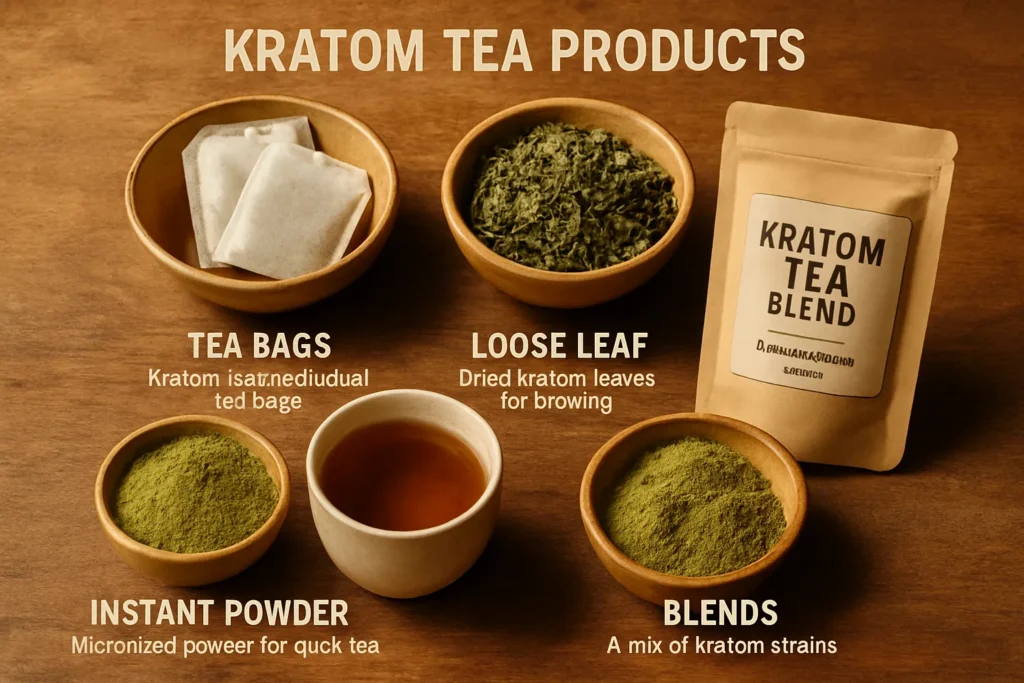
Pre-made Tea Bags 🍃
Ready-to-steep tea bags offer convenience but often contain lower-quality kratom powder. These products typically cost more per gram but provide ease of use for beginners.
Loose Leaf Kratom Tea
Higher-quality option that allows for better control over potency and freshness. Loose leaf products often contain crushed kratom leaves rather than processed powder.
Kratom Tea Blends
Many vendors offer proprietary blends combining different kratom strains or adding complementary herbs like chamomile or ginger for enhanced flavor and effects.
Instant Kratom Tea Powder
Water-soluble kratom powder designed for quick preparation. These products undergo special processing to improve solubility but may have altered alkaloid profiles.
Quality Indicators for Kratom Tea
When evaluating kratom tea products, several factors indicate quality and safety:
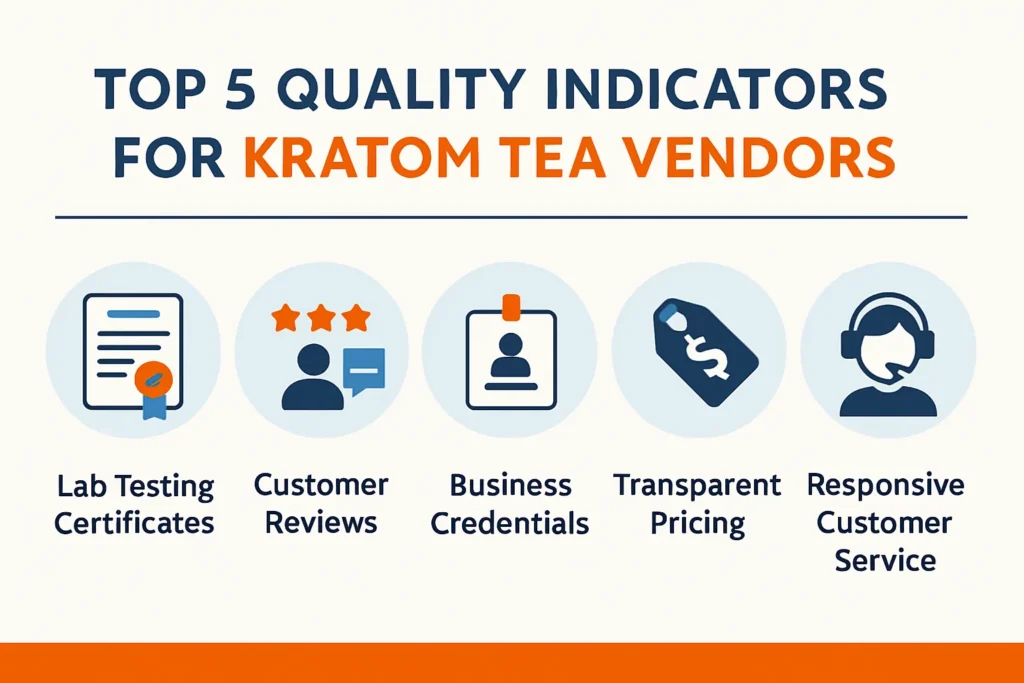
- Lab testing certificates showing alkaloid content and contamination screening
- Detailed strain information including origin and harvest date
- Proper packaging with moisture barriers and clear labeling
- Transparent vendor information including contact details and business registration
Where To Buy Kratom Tea: Top Vendor Categories
Specialized Kratom Retailers
Dedicated kratom vendors typically offer the highest quality products and most comprehensive selection. These businesses focus exclusively on kratom and related botanicals, developing expertise in sourcing, processing, and quality control.
Advantages:
- Extensive strain selection
- Detailed product information
- Knowledgeable customer service
- Regular lab testing
- Competitive pricing
What to Look For:
- Years in business (3+ years preferred)
- Active customer community
- Regular inventory turnover
- Multiple payment options
- Clear return policies
Health and Wellness Retailers
Some general health supplement retailers carry kratom tea products alongside other natural wellness products. While selection may be limited, these vendors often provide additional credibility through established business practices.
Direct Import Companies
A few companies import kratom directly from Southeast Asian farmers and processors. These vendors may offer competitive pricing but require careful vetting for quality and safety standards.
Essential Criteria for Choosing Trusted Kratom Tea Vendors
Laboratory Testing and Transparency
Third-Party Lab Testing 🔬
Reputable vendors provide certificates of analysis (COAs) from independent laboratories. These tests should screen for:
- Heavy metals (lead, mercury, cadmium, arsenic)
- Microbial contamination (bacteria, yeast, mold)
- Pesticide residues
- Alkaloid content verification
Batch Tracking
Quality vendors maintain detailed records linking products to specific harvest batches, enabling quick identification and removal of problematic products.
Business Credentials and Compliance
Legal Compliance
Trusted vendors operate within legal frameworks, including:
- Proper business licensing
- Tax compliance
- Age verification systems
- Adherence to FDA guidelines for dietary supplements
Professional Associations
Membership in industry organizations like the American Kratom Association (AKA) indicates commitment to quality standards and ethical business practices.
Customer Service and Communication
Responsive Support
Quality vendors provide multiple communication channels and respond to inquiries promptly. Look for:
- Live chat or phone support
- Detailed FAQ sections
- Educational resources
- Active social media presence
Educational Content
Reputable vendors invest in customer education, providing information about kratom strains, preparation methods, and responsible use guidelines.
Red Flags: Vendors To Avoid When Buying Kratom Tea
Warning Signs of Unreliable Vendors
Unrealistic Claims ⚠️
Avoid vendors making medical claims or promising specific health benefits. Legitimate vendors focus on product quality rather than therapeutic promises.
Extremely Low Prices
While competitive pricing is normal, prices significantly below market averages often indicate:
- Poor quality raw materials
- Inadequate testing protocols
- Unsustainable business practices
- Potential contamination issues
Lack of Contact Information
Vendors without clear contact information, physical addresses, or customer service options pose significant risks for disputes or quality issues.
No Testing Documentation
Any vendor unable or unwilling to provide lab testing results should be avoided completely.
Common Scam Tactics
Fake Reviews
Be suspicious of vendors with only recent, overly positive reviews or reviews that seem generic and non-specific.
Pressure Sales Tactics
Legitimate vendors don’t use high-pressure sales tactics or create artificial urgency through fake scarcity claims.
Poor Website Security
Always verify that vendor websites use secure payment processing (look for HTTPS and security badges).
Legal Considerations When Purchasing Kratom Tea Online
Federal Legal Status
Kratom remains legal at the federal level in the United States, but the regulatory landscape continues evolving. The DEA has considered scheduling kratom multiple times, making ongoing legal awareness essential.
State and Local Regulations
Kratom legality varies significantly across states and localities. Before purchasing, verify current laws in your area. Some states with kratom restrictions include:
- Alabama: Completely banned
- Arkansas: Completely banned (learn more about Arkansas kratom laws)
- Indiana: Completely banned
- Rhode Island: Completely banned
- Vermont: Completely banned
- Wisconsin: Completely banned
Several states have age restrictions (21+) or require product labeling and testing. Understanding kratom legality helps ensure compliant purchasing decisions.
Shipping Considerations
Reputable vendors refuse shipments to areas where kratom is prohibited. Be wary of vendors willing to ship to banned locations, as this indicates disregard for legal compliance.
Kratom Tea Strains: Understanding Your Options
Popular Kratom Tea Strains
Red Vein Strains
- Red Bali: Mild and well-balanced
- Red Maeng Da: Potent and long-lasting
- Red Borneo: Smooth and relaxing
Green Vein Strains
- Green Malay: Energizing yet balanced
- Green Vietnam: Unique alkaloid profile
- Green Thai: Traditional and potent
White Vein Strains
- White Maeng Da: Energizing and focus-enhancing
- White Borneo: Clean and uplifting
- White Thai: Traditional stimulating variety
Choosing the Right Strain for Tea
Different strains offer varying experiences, and personal preferences play a significant role in selection. Consider these factors:
- Time of day: White strains for morning, green for afternoon, red for evening
- Desired effects: Energy, relaxation, or balanced experience
- Tolerance level: Beginners should start with milder strains like Red Bali or Green Malay
Pricing Guide: What To Expect When Buying Kratom Tea
Typical Price Ranges
Pre-made Tea Bags
- Budget options: $0.50-$1.00 per bag
- Premium brands: $1.50-$3.00 per bag
- Specialty blends: $2.00-$4.00 per bag
Loose Leaf Kratom Tea
- Standard quality: $8-$12 per ounce
- Premium quality: $12-$18 per ounce
- Small batch/specialty: $15-$25 per ounce
Instant Tea Powder
- Regular potency: $15-$25 per ounce
- Enhanced formulations: $25-$40 per ounce
Factors Affecting Kratom Tea Pricing
Quality and Testing
Products with comprehensive lab testing and quality assurance typically cost 20-30% more than untested alternatives.
Packaging and Branding
Premium packaging and established brand names command higher prices but often indicate better quality control.
Strain Rarity
Uncommon or specialty strains may cost significantly more due to limited availability.
Vendor Business Model
Direct importers often offer lower prices, while specialized retailers provide added services justifying higher costs.
Safe Online Shopping: Best Practices for Kratom Tea Purchases
Secure Payment Methods
Credit Cards
Offer the best consumer protection through chargeback rights and fraud protection. Most reputable vendors accept major credit cards.
PayPal and Digital Wallets
Provide additional security layers and dispute resolution mechanisms.
Cryptocurrency
Some vendors accept Bitcoin or other cryptocurrencies, offering privacy benefits but limited recourse for disputes.
Avoid:
- Wire transfers
- Money orders
- Prepaid debit cards
- Western Union or similar services
Protecting Personal Information
Account Security
- Use unique, strong passwords for vendor accounts
- Enable two-factor authentication when available
- Monitor account activity regularly
Shipping Privacy
- Consider using discreet shipping options
- Verify package tracking capabilities
- Understand vendor privacy policies
Safe Online Kratom Purchasing Checklist
✅ Verify vendor legitimacy and credentials
✅ Confirm product lab testing availability
✅ Check local kratom legality
✅ Read customer reviews and testimonials
✅ Understand return and refund policies
✅ Start with small quantities
✅ Use secure payment methods
✅ Keep purchase records
Quality Assessment: Evaluating Kratom Tea Products

Visual and Physical Inspection
Color Consistency
High-quality kratom tea should display consistent coloring throughout. Significant color variations may indicate mixed batches or quality issues.
Texture and Fineness
Properly processed kratom tea materials should have uniform texture without excessive stems, debris, or foreign materials.
Aroma
Fresh kratom tea should have a distinct, earthy aroma. Musty or off odors may indicate age, moisture exposure, or contamination.
Preparation and Taste Testing
Brewing Characteristics
Quality kratom tea should steep smoothly without excessive sediment or unusual residues.
Taste Profile
While kratom naturally has a bitter taste, quality products shouldn’t be overwhelmingly harsh or have chemical aftertastes.
Potency Consistency
Reliable vendors provide consistent potency across batches, with effects matching product descriptions.
Customer Reviews and Vendor Reputation Research
Evaluating Online Reviews
Review Source Diversity
Look for reviews across multiple platforms:
- Vendor websites
- Independent review sites
- Reddit communities
- Social media platforms
- Better Business Bureau
Review Content Quality
Valuable reviews include:
- Specific product details
- Preparation methods used
- Effect descriptions
- Shipping and packaging comments
- Customer service experiences
Red Flags in Reviews
Generic or Vague Comments
Reviews lacking specific details or using generic language may be fake or incentivized.
Overwhelming Positivity
While good vendors earn positive reviews, 100% positive ratings across all products seem unrealistic.
Recent Review Clusters
Large numbers of reviews posted within short timeframes may indicate manipulation.
Building Vendor Reputation Profiles
Business Longevity
Vendors operating successfully for multiple years demonstrate stability and customer satisfaction.
Industry Recognition
Awards, certifications, or recognition from industry organizations indicate professional standing.
Community Engagement
Active participation in kratom communities and educational initiatives shows commitment beyond sales.
Shipping and Delivery Considerations
Shipping Policies and Practices
Processing Times
Professional vendors typically process orders within 1-2 business days, with clear communication about delays.
Packaging Standards
Quality vendors use:
- Moisture-resistant packaging
- Discreet labeling options
- Protective shipping materials
- Proper product identification
Tracking and Communication
Reputable vendors provide tracking information and proactive communication about shipping status.
Delivery Security
Package Inspection
Upon delivery, inspect packages for:
- Damage or tampering
- Correct products and quantities
- Proper labeling and documentation
- Freshness and quality
Storage Recommendations
Proper storage maintains kratom tea quality:
- Cool, dry locations
- Airtight containers
- Protection from light exposure
- Separation from strong odors
Customer Service and Support Evaluation
Response Quality and Timeliness
Communication Channels
Professional vendors offer multiple contact methods:
- Email support with reasonable response times
- Live chat during business hours
- Phone support for urgent issues
- FAQ sections addressing common questions
Knowledge and Expertise
Quality customer service representatives understand:
- Product specifications and differences
- Preparation and usage guidelines
- Legal and compliance issues
- Shipping and return policies
Problem Resolution
Return Policies
Clear, fair return policies indicate vendor confidence in product quality. Look for:
- Reasonable return windows (14-30 days)
- Clear condition requirements
- Transparent refund processes
- Quality guarantee provisions
Dispute Handling
Professional vendors handle disputes through:
- Prompt acknowledgment of issues
- Fair investigation processes
- Reasonable resolution offers
- Follow-up communication
| Vendor Name | Rating | Price Range | Lab Testing | Years in Business | Shipping | Specialty |
|---|
Building Long-term Vendor Relationships
Benefits of Vendor Loyalty
Consistent Quality
Establishing relationships with reliable vendors ensures consistent product quality and reduces the risk of disappointing purchases.
Better Pricing
Many vendors offer loyalty programs, bulk discounts, or exclusive pricing for repeat customers.
Priority Service
Long-term customers often receive priority processing, exclusive product access, and enhanced customer service.
Product Knowledge
Ongoing relationships allow vendors to provide personalized recommendations based on purchase history and preferences.
Maintaining Vendor Relationships
Feedback and Communication
Providing constructive feedback helps vendors improve while demonstrating customer engagement and value.
Reasonable Expectations
Understanding business limitations and maintaining realistic expectations fosters positive vendor relationships.
Payment Reliability
Prompt payment and adherence to vendor policies builds trust and credibility.
Kratom Tea Preparation and Usage Guidelines
Optimal Preparation Methods
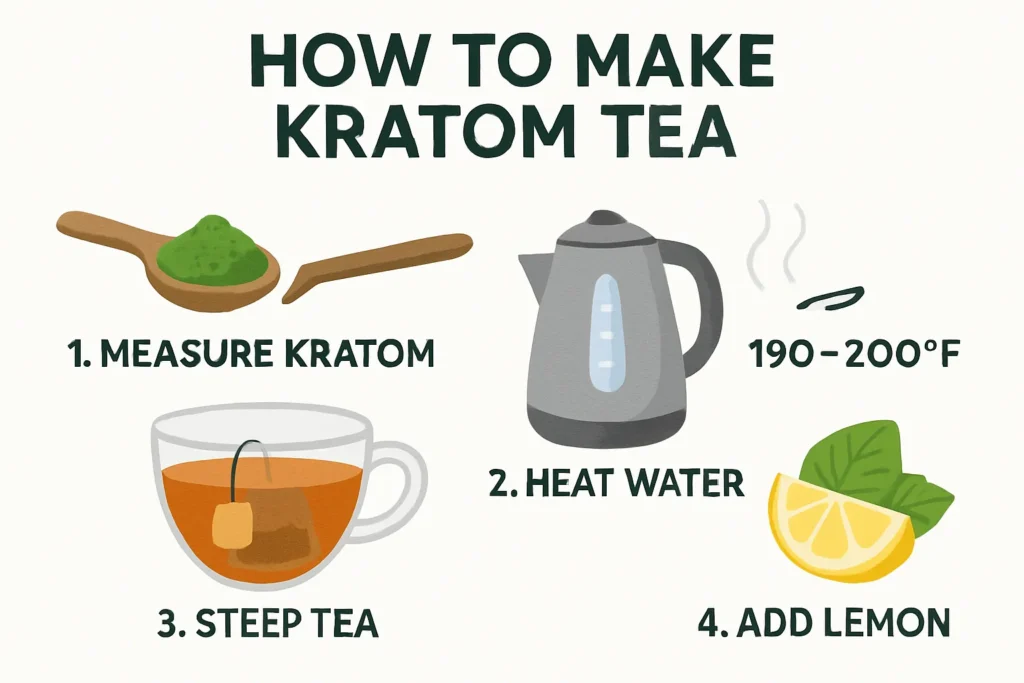
Traditional Steeping
- Water temperature: 180-200°F (not boiling)
- Steeping time: 10-15 minutes
- Ratio: 1 teaspoon per 8 oz water
- Enhancement: Add lemon juice to improve alkaloid extraction
Cold Brewing
- Longer extraction time (2-4 hours)
- Smoother taste profile
- Reduced bitterness
- Room temperature or refrigerated preparation
Timing and Effects
Understanding kratom tea timing helps optimize the experience:
Onset Time
- Empty stomach: 15-30 minutes
- With food: 30-60 minutes
- Individual variation based on metabolism
Duration
- Typical effects: 3-6 hours
- Peak effects: 1-3 hours after onset
- Gradual decline over remaining duration
Dosage Considerations
- Start with small amounts (1-2 grams)
- Increase gradually based on response
- Avoid daily use to prevent tolerance
Troubleshooting Common Purchase Issues
Quality Problems
Product Doesn’t Meet Expectations
- Contact vendor customer service immediately
- Document specific issues with photos if applicable
- Request lab testing results for verification
- Understand return policy timeframes
Contamination Concerns
- Stop use immediately
- Preserve product samples for testing
- Report issues to vendor and relevant authorities
- Seek medical attention if health effects occur
Shipping and Delivery Issues
Delayed Shipments
- Check tracking information for updates
- Contact vendor for status clarification
- Understand weather and holiday impacts
- Know vendor policies for shipping delays
Damaged Packages
- Document damage with photos before opening
- Contact vendor and shipping carrier
- Preserve packaging materials for claims
- Understand insurance coverage options
Payment and Billing Problems
Unauthorized Charges
- Contact vendor immediately for clarification
- Dispute charges with payment provider if necessary
- Document all communication attempts
- Review account statements regularly
Refund Delays
- Understand vendor refund processing times
- Maintain records of return shipments
- Follow up with customer service appropriately
- Know consumer protection rights
Kratom Tea Buying Guide FAQ
Key factors to consider:
- Third-party lab testing and certificates of analysis (COA)
- Transparent sourcing information from Southeast Asia
- Positive customer reviews and established reputation
- Clear return and refund policies
- Responsive customer service
- Proper packaging and storage practices
Kratom legality varies by location. It’s federally legal in the United States but banned in several states including Alabama, Arkansas, Indiana, Rhode Island, Vermont, and Wisconsin. Some cities and counties also have local bans.
Always check your local and state laws before purchasing. International shipping laws also vary significantly by country.
Pre-made tea bags: Convenient, pre-measured, easier to brew, often more expensive per serving.
Kratom powder: More versatile, better value, requires measuring, can be used for tea or other preparations.
Both can be effective – tea bags offer convenience while powder provides flexibility and better cost efficiency.
Typical pricing ranges:
- Kratom powder: $8-15 per ounce
- Pre-made tea bags: $1-3 per bag
- Bulk purchases: Often 20-30% cheaper per unit
Extremely low prices may indicate poor quality or questionable sourcing. Quality vendors typically fall within these ranges.
Popular tea strains:
- Red Bali: Smooth, relaxing, good for evening tea
- Green Maeng Da: Balanced effects, versatile for any time
- White Borneo: Energizing, good for morning tea
- Red Thai: Calming, traditional tea strain
Start with small amounts to determine your preference and tolerance.
Quality verification steps:
- Request lab test results showing alkaloid content
- Check for contaminant testing (heavy metals, bacteria, pesticides)
- Look for AKA (American Kratom Association) certified vendors
- Read recent customer reviews and testimonials
- Verify proper packaging with batch numbers and dates
Reputable vendors will readily provide this information upon request.
Shipping considerations: Look for discreet packaging, tracking numbers, and reasonable shipping times (3-7 business days domestically).
Storage tips:
- Store in cool, dry place away from direct sunlight
- Use airtight containers to maintain freshness
- Keep away from moisture and humidity
- Properly stored kratom can last 1-3 years
Conclusion: Making Smart Kratom Tea Purchasing Decisions
Successfully purchasing kratom tea online requires combining knowledge, caution, and practical shopping skills. The unregulated nature of the industry places responsibility on consumers to identify trustworthy vendors and quality products.
Research First: Invest time in vendor research before making purchases. Check credentials, read reviews, and verify testing protocols.
Start Small: Begin with sample sizes or small quantities when trying new vendors or products. This minimizes risk while allowing quality evaluation.
Prioritize Quality: Focus on quality indicators rather than lowest prices. Poor quality products waste money and potentially pose health risks.
Stay Informed: Keep current with legal developments, industry standards, and vendor reputation changes.
Build Relationships: Develop ongoing relationships with reliable vendors for better service, pricing, and product consistency.
The kratom tea market offers excellent products from reputable vendors, but success requires educated shopping decisions. By following the guidelines in this comprehensive guide, consumers can confidently navigate the online marketplace and find high-quality kratom tea products from trustworthy sources.