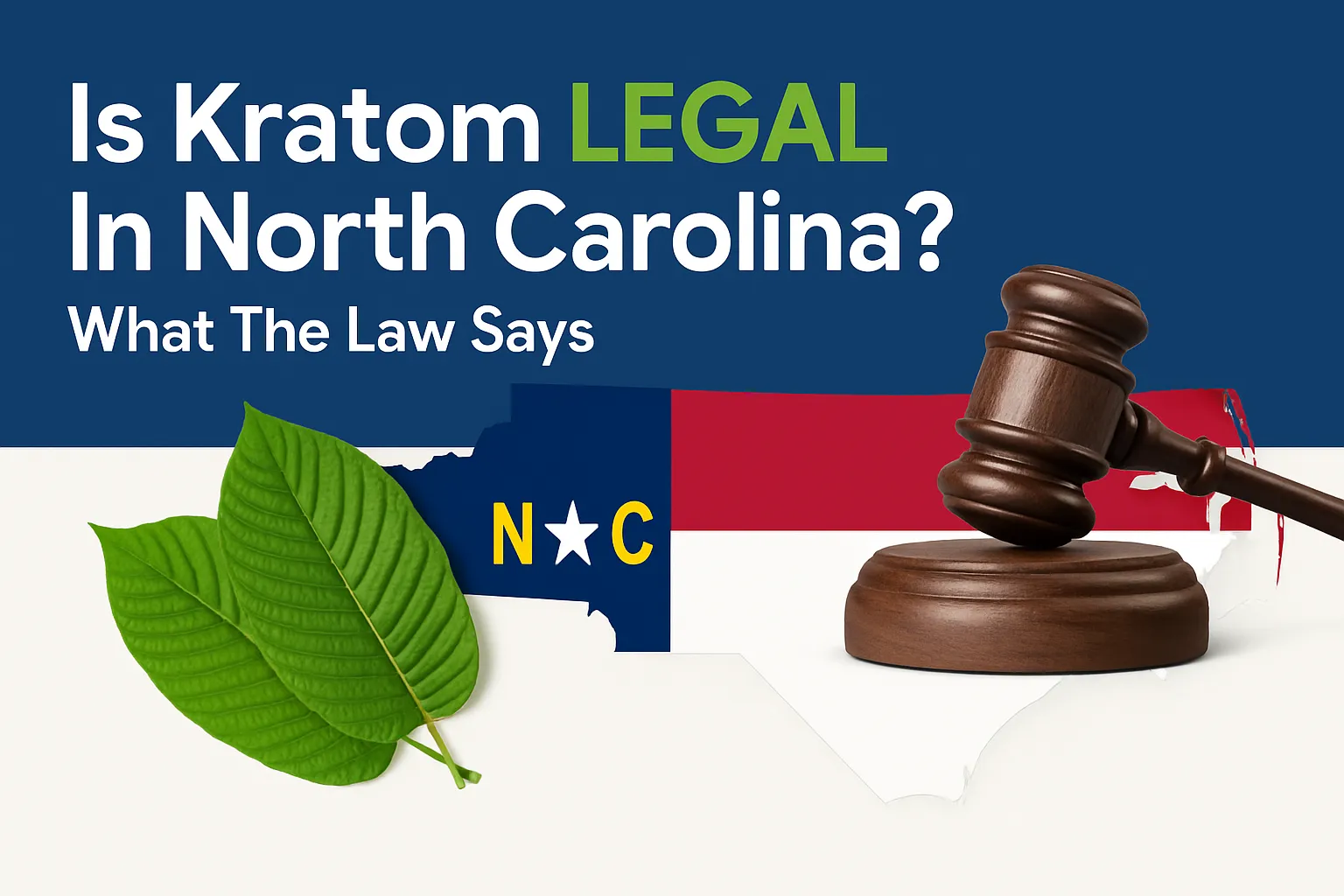
Kratom’s legal status varies dramatically from state to state, creating a patchwork of regulations that can confuse even the most diligent consumers. Many people now ask, Is Kratom Legal In North Carolina, as laws differ widely across the country. While some states have embraced kratom with open arms, others have imposed strict bans, leaving residents uncertain about their rights and options.
- Kratom is currently legal in North Carolina for adults 18 and older, with no state-level restrictions on purchase, possession, or use
- No pending legislation exists that would change kratom’s legal status in the state as of late 2024
- Federal oversight remains a concern, as the DEA has previously considered scheduling kratom as a controlled substance
- Quality and safety are not regulated at the state level, making vendor selection crucial for consumer protection
- Local ordinances may vary, so checking city and county regulations is recommended before purchasing
Understanding Kratom: The Basics
Kratom (Mitragyna speciosa) is a tropical tree native to Southeast Asia, where its leaves have been used traditionally for centuries. The plant contains naturally occurring alkaloids, primarily mitragynine and 7-hydroxymitragynine, which interact with the body’s opioid receptors.
Common Uses and Forms
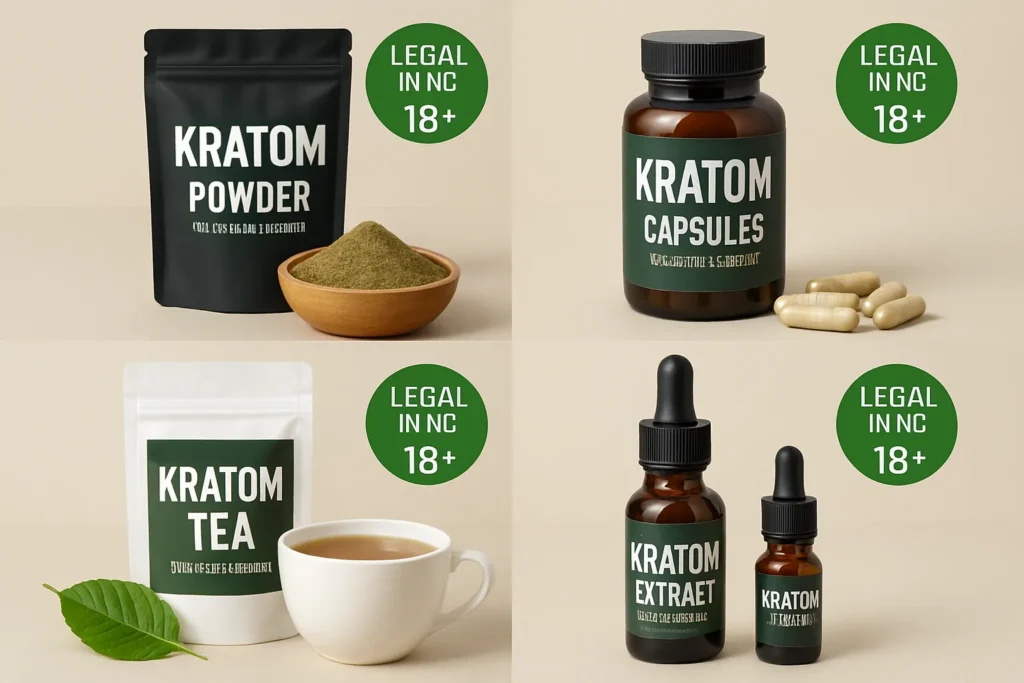
Kratom is typically available in several forms:
- Powder – Ground kratom leaves
- Capsules – Pre-measured powder in gelatin capsules
- Extracts – Concentrated forms of kratom alkaloids
- Tea – Brewed from kratom leaves or powder
People use kratom for various reasons, including:
- Managing discomfort
- Supporting energy levels
- Promoting relaxation
- Enhancing mood
For those interested in kratom tea specifically, our comprehensive guide on where to buy kratom tea online provides valuable insights into quality sourcing and preparation methods.
Current Legal Status: Is Kratom Legal In North Carolina?
Yes, kratom is completely legal in North Carolina. The state has not enacted any legislation restricting the sale, possession, or use of kratom products. This means adults can:
✅ Purchase kratom from licensed retailers
✅ Possess kratom in any amount for personal use
✅ Use kratom without legal consequences
✅ Transport kratom within state boundaries
Age Restrictions
While North Carolina doesn’t have specific kratom legislation, most reputable vendors voluntarily restrict sales to individuals 18 years and older. This industry standard helps promote responsible use and aligns with federal guidelines for botanical supplements.
No State Regulations
Unlike some states that have implemented the Kratom Consumer Protection Act (KCPA), North Carolina currently has no specific regulatory framework for kratom products. This means:
- No mandatory testing requirements
- No labeling standards
- No vendor licensing requirements
- No purity or potency regulations
Federal Considerations and DEA Oversight
While North Carolina maintains a permissive stance on kratom, federal oversight remains a significant consideration for consumers and vendors alike.
DEA’s Previous Actions
The Drug Enforcement Administration (DEA) has shown interest in kratom regulation:
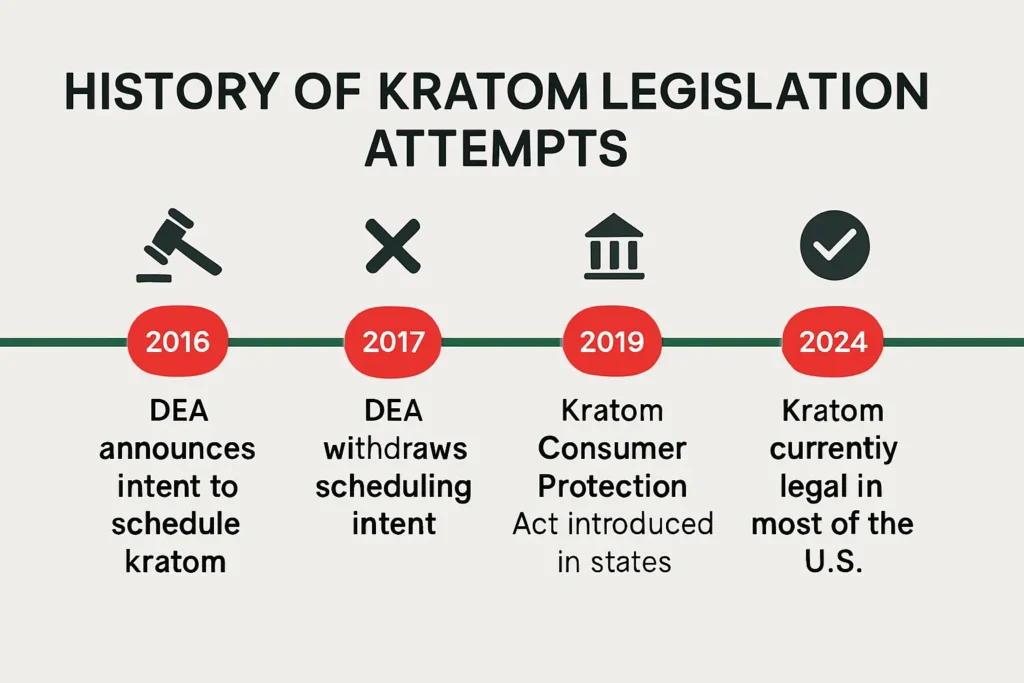
2016: The DEA announced plans to classify kratom as a Schedule I controlled substance but withdrew the proposal following public outcry and congressional pressure.
2017-2018: The agency requested public comments and scientific data on kratom’s safety and abuse potential.
2019-Present: No definitive federal action has been taken, leaving kratom in legal limbo at the federal level.
FDA Position
The Food and Drug Administration (FDA) has consistently opposed kratom, citing safety concerns and potential for abuse. However, the FDA cannot unilaterally ban kratom without DEA action or Congressional legislation.
Neighboring States: A Regional Perspective
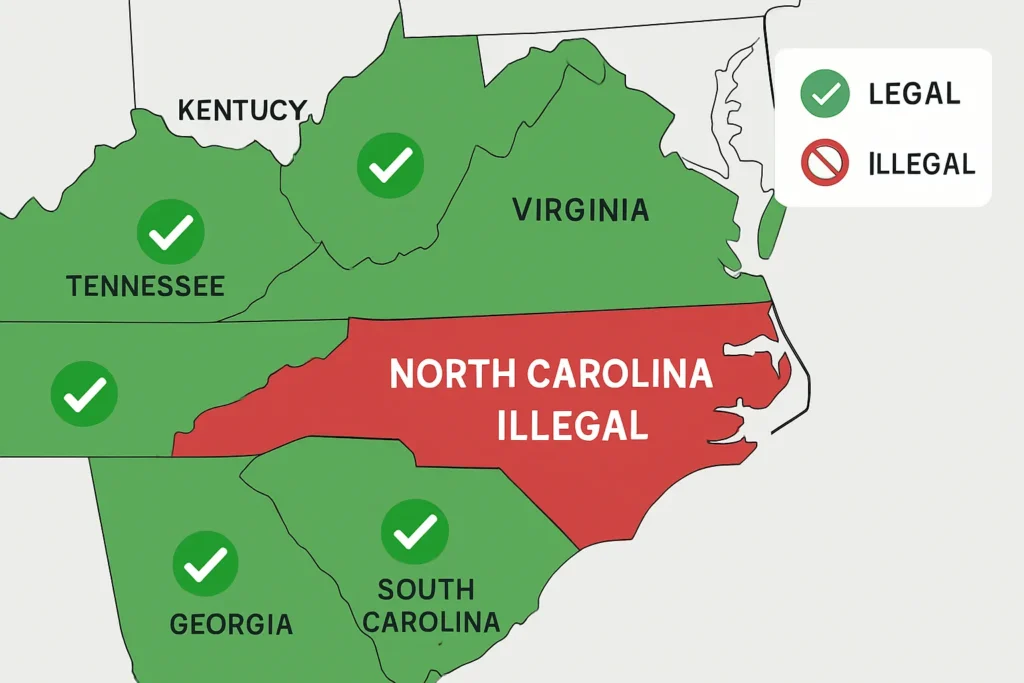
Understanding kratom’s legal status in surrounding states helps North Carolina residents who travel frequently:
| State | Legal Status | Notes |
|---|---|---|
| Virginia | Legal | No restrictions |
| South Carolina | Legal | Age restriction (18+) |
| Tennessee | Legal | KCPA enacted |
| Georgia | Legal | No specific regulations |
| Kentucky | Legal | KCPA enacted |
For detailed information about South Carolina’s specific regulations, check our guide on kratom legality in South Carolina.
Local Ordinances and Municipal Laws
While North Carolina state law permits kratom, some local jurisdictions might have different rules. It’s essential to verify local ordinances in your specific city or county.
Checking Local Laws
Before purchasing or using kratom, consider:
- Contacting local authorities for clarification
- Reviewing city council meeting minutes for recent legislation
- Consulting with local attorneys if uncertainty exists
- Checking with local vendors who often stay informed about regulations
The Legislative Landscape: What Could Change?
North Carolina’s kratom laws could evolve through several potential pathways:
State-Level Changes
Kratom Consumer Protection Act (KCPA)
- Several states have enacted KCPA legislation
- Provides regulatory framework while keeping kratom legal
- Includes testing requirements and labeling standards
- Age restrictions and vendor licensing
Complete Prohibition
- Some states have banned kratom entirely
- Usually follows concerns about public safety
- Often includes criminal penalties for possession
Federal Action
Schedule I Classification
- Would make kratom federally illegal
- Would override state laws
- Significant legal and political hurdles exist
FDA Regulation
- Could classify kratom as a drug requiring prescriptions
- Would dramatically limit access
- Currently faces industry and consumer opposition
Quality and Safety Considerations
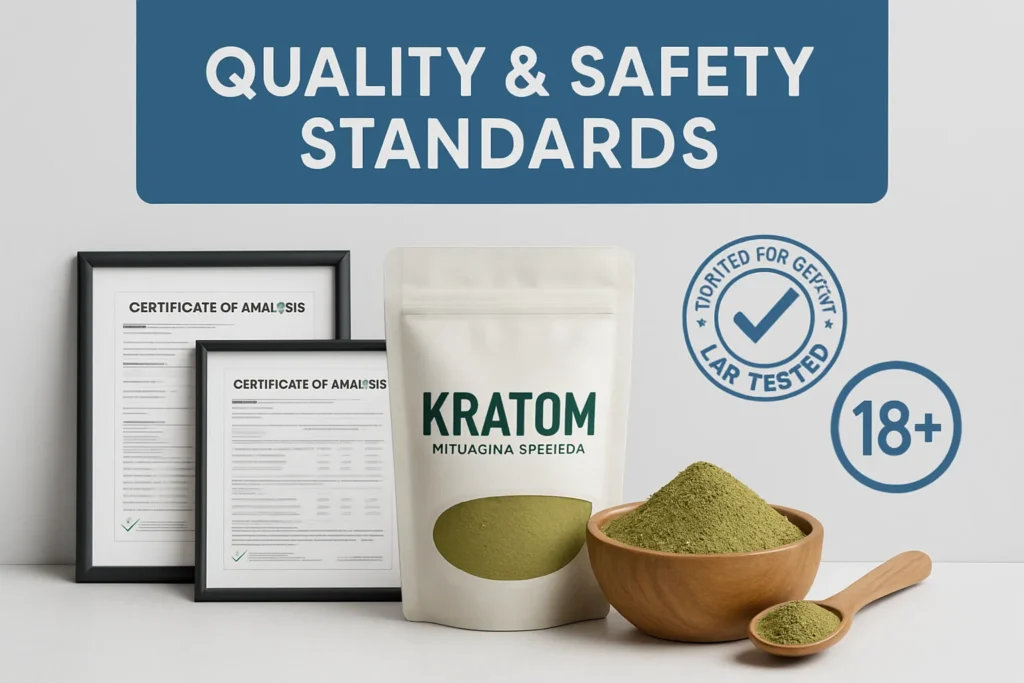
Without state regulations, North Carolina kratom consumers must be particularly vigilant about product quality and safety.
Choosing Reputable Vendors
When selecting kratom products, prioritize vendors who:
- Provide third-party lab testing results
- Offer transparent sourcing information
- Follow GMP (Good Manufacturing Practices) standards
- Maintain proper packaging and labeling
- Provide customer education and support
Our detailed reviews of vendors like Blue Diamond Herbs and Blissful Botanicals can help guide your vendor selection process.
Red Flags to Avoid
Be cautious of vendors who:
❌ Make medical claims about kratom
❌ Refuse to provide testing documentation
❌ Offer unusually low prices
❌ Have poor customer reviews
❌ Lack proper business licensing
Safe and Legal Kratom Use in North Carolina
For North Carolina residents interested in kratom, following best practices ensures both legal compliance and personal safety.
Dosage and Timing Considerations
Understanding how long kratom takes to kick in helps users make informed decisions about timing and dosage. Generally:
- Effects begin: 15-30 minutes after consumption
- Peak effects: 1-2 hours
- Duration: 3-6 hours depending on strain and dosage
Avoiding Dependence
While legal in North Carolina, kratom can potentially lead to dependence with regular use. Understanding kratom withdrawal duration helps users make informed decisions about frequency of use.
Online Purchasing Safety
For those considering online purchases, our guide on buying kratom online safely provides essential tips for:
- Verifying vendor legitimacy
- Understanding shipping laws
- Ensuring product quality
- Protecting personal information
Industry Standards and Best Practices
Even without state regulation, the kratom industry has developed voluntary standards that responsible vendors follow.
American Kratom Association (AKA) Standards
The American Kratom Association promotes:
- GMP compliance for manufacturing
- Third-party testing for contaminants
- Accurate labeling of products
- Age verification for sales
- Educational outreach for consumers
Testing Protocols
Quality kratom vendors typically test for:
- Heavy metals (lead, mercury, cadmium, arsenic)
- Microbial contaminants (E. coli, salmonella, yeast, mold)
- Alkaloid content (mitragynine, 7-hydroxymitragynine)
- Adulterants (synthetic compounds, other botanicals)
North Carolina Kratom Legal Status
Current legal information and compliance checker
Legal Compliance Checklist
Helpful Resources
American Kratom Association NC State Legislature Local Attorney Directory Kratom Safety GuideLegal status can change – always verify current laws before purchasing
Potential Changes
Several factors could influence kratom’s legal status in North Carolina:
Legislative Trends
Growing Acceptance
- More states adopting KCPA legislation
- Increased research into kratom’s benefits
- Industry self-regulation efforts
- Consumer advocacy groups
Regulatory Pressure
- Federal scheduling concerns
- Public health incidents
- Pharmaceutical industry influence
- Media coverage of kratom-related issues
Monitoring Legislative Activity
Stay informed about potential changes by:
- Following the North Carolina General Assembly for new bills
- Subscribing to American Kratom Association updates
- Joining local kratom advocacy groups
- Monitoring news coverage of kratom-related legislation
Economic Impact of Kratom in North Carolina
The legal kratom market contributes significantly to North Carolina’s economy through various channels.
Retail Sector
Physical Stores
- Smoke shops and head shops
- Health food stores
- Specialty kratom retailers
- Gas stations and convenience stores
Online Businesses
- E-commerce platforms
- Direct-to-consumer brands
- Wholesale distributors
- Affiliate marketing networks
Employment Opportunities
The kratom industry creates jobs in:
- Retail sales positions
- Quality control and testing
- Customer service roles
- Marketing and education
- Distribution and logistics
Consumer Education and Awareness
Responsible kratom use requires ongoing education about products, effects, and legal considerations.
Understanding Product Varieties
Different kratom strains offer varying effects:
Red Strains
- Often associated with relaxation
- Popular evening varieties
- Examples: Red Bali, Red Maeng Da
Green Strains
- Balanced effects profile
- Suitable for daytime use
- Examples: Green Malay, Green Thai
White Strains
- Often energizing
- Morning and afternoon varieties
- Examples: White Borneo, White Elephant
For those interested in specific varieties, our detailed guide on Red Vietnam Extract Kratom provides valuable insights into this popular strain.
Dosage Guidelines
While individual responses vary, general guidelines include:
New Users: Start with 1-2 grams
Moderate Users: 2-4 grams per serving
Experienced Users: 4-6 grams per serving
⚠️ Important: Always start with lower doses and gradually increase as needed.
Traveling with Kratom from North Carolina
Understanding interstate kratom laws becomes crucial when traveling from North Carolina.
States Where Kratom is Illegal
Avoid traveling with kratom to:
- Alabama
- Arkansas
- Indiana
- Rhode Island
- Vermont
- Wisconsin
States with Restrictions
Some states allow kratom but with specific restrictions:
- New Hampshire: Age 18+ requirement
- Utah: KCPA regulations
- Nevada: KCPA regulations
- Arizona: KCPA regulations
For comprehensive information about kratom legality across all states, visit our detailed guide on where kratom is legal.
Building a Responsible Kratom Community
North Carolina’s kratom community can promote responsible use through education and advocacy.
Community Guidelines
Responsible Use Principles
- Start with low doses
- Avoid daily use when possible
- Don’t combine with alcohol or drugs
- Consult healthcare providers when appropriate
- Support regulation over prohibition
Advocacy Efforts
- Contact state representatives
- Support research initiatives
- Promote industry standards
- Educate the public about kratom
Supporting Local Businesses
When possible, support local kratom retailers who:
- Provide quality products
- Offer customer education
- Follow industry best practices
- Contribute to the local economy
Industry Challenges and Solutions
The kratom industry faces several challenges that affect consumers and vendors alike.
Quality Control Issues
Common Problems
- Inconsistent alkaloid content
- Contamination with heavy metals
- Microbial contamination
- Mislabeling of products
Industry Solutions
- Third-party testing protocols
- GMP certification programs
- Vendor education initiatives
- Consumer awareness campaigns
Banking and Payment Processing
Many kratom businesses face challenges with:
- Credit card processing restrictions
- Banking relationships
- Payment platform policies
- Insurance coverage
The Role of Healthcare Providers
Healthcare providers play an important role in kratom education and safety.
Patient-Provider Communication
Patients should inform healthcare providers about kratom use, especially when:
- Taking prescription medications
- Undergoing medical procedures
- Managing chronic conditions
- Experiencing adverse effects
Medical Professional Education
Healthcare providers benefit from education about:
- Kratom’s pharmacology
- Potential drug interactions
- Signs of problematic use
- Harm reduction strategies
Outlook for Kratom in North Carolina
Several trends suggest kratom will likely remain legal in North Carolina for the foreseeable future.
Positive Indicators
Political Climate
- No active prohibition efforts
- Limited opposition from law enforcement
- Growing consumer base
- Economic benefits recognition
Industry Maturation
- Improved quality standards
- Professional trade associations
- Research investments
- Regulatory compliance efforts
Potential Challenges
Federal Uncertainty
- DEA scheduling authority
- FDA opposition
- Congressional action possibility
- International treaty obligations
Public Health Concerns
- Adverse event reports
- Youth access issues
- Dependency potential
- Drug interaction risks
Kratom Legality in North Carolina – FAQ
Yes, kratom is legal in North Carolina for adults 18 and older. The state has not banned kratom, and there are currently no state-level restrictions on its sale, possession, or use for adults.
Yes, you must be 18 or older to legally purchase, possess, or use kratom in North Carolina. This age restriction is commonly enforced by retailers and is consistent with federal guidelines.
Yes, kratom is available in many retail locations throughout North Carolina, including smoke shops, herbal stores, and some gas stations. You can also purchase kratom online and have it shipped to North Carolina addresses.
Currently, there are no known local bans on kratom in North Carolina cities or counties. However, local laws can change, so it’s important to check with your specific municipality if you have concerns about local regulations.
Kratom is not federally scheduled as a controlled substance. The DEA has considered scheduling kratom in the past but has not taken action. The FDA has issued warnings about kratom but has not banned it federally.
Laws can always change, but North Carolina has not shown recent legislative interest in banning kratom. Some states have passed the Kratom Consumer Protection Act (KCPA) to regulate rather than ban kratom, which could be a future consideration for NC.
Quality varies significantly between vendors. Look for vendors who provide lab testing results, follow Good Manufacturing Practices (GMP), and are members of the American Kratom Association (AKA). Always purchase from reputable sources and start with small amounts.
Conclusion
Is kratom legal in North Carolina? The answer remains a clear yes, with the state maintaining an open and permissive stance toward kratom products. North Carolina residents can legally purchase, possess, and use kratom without fear of state-level prosecution, making it one of many states that recognize kratom as a legal botanical supplement.
However, this legal freedom comes with important responsibilities. Without state regulations governing quality and safety, consumers must be vigilant about vendor selection, product testing, and responsible use practices. The absence of formal oversight means that education and personal responsibility become even more critical for safe kratom consumption.
Next Steps for North Carolina Kratom Users
- Stay Informed: Monitor state and federal legislative developments that could affect kratom’s legal status
- Choose Quality: Select vendors who provide third-party testing and follow industry best practices
- Use Responsibly: Start with low doses, avoid daily use, and consult healthcare providers when appropriate
- Support Advocacy: Engage with organizations promoting kratom research and sensible regulation
- Educate Others: Share accurate information about kratom’s legal status and responsible use practices
For those new to kratom or seeking additional information, explore our comprehensive kratom blog for the latest updates on legality, safety, and industry developments. Remember that while kratom remains legal in North Carolina, staying informed about evolving regulations and maintaining responsible use practices ensures continued access to this botanical supplement.
The kratom community in North Carolina has an opportunity to serve as a model for responsible use and industry standards. By prioritizing education, safety, and advocacy, users can help ensure that kratom remains a legal option for adults seeking natural wellness alternatives.
Daniel Brooks
Daniel Brooks is a U.S. based botanical writer with over six years of hands on experience in kratom focused content. He studies kratom strains, sourcing standards, dosage patterns, and consumer safety topics. He stays up to date with current news, regulatory changes, and market trends related to kratom and botanical products.
His work includes educational guides, strain breakdowns, and vendor reviews written for everyday users. He avoids promotional language and presents clear facts. Daniel helps readers understand both benefits and risks so they can make informed choices about responsible kratom use.