

Making kratom extract at home transforms ordinary kratom powder into a concentrated, potent form that delivers stronger effects with smaller doses. While commercial extracts can be expensive and hard to find, creating your own extract gives you complete control over quality, potency, and cost-effectiveness.
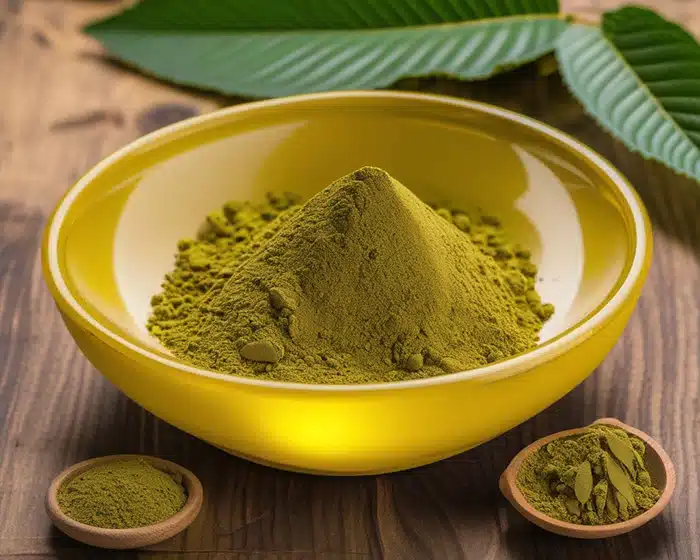
Mood: Productivity, Relax, Calm
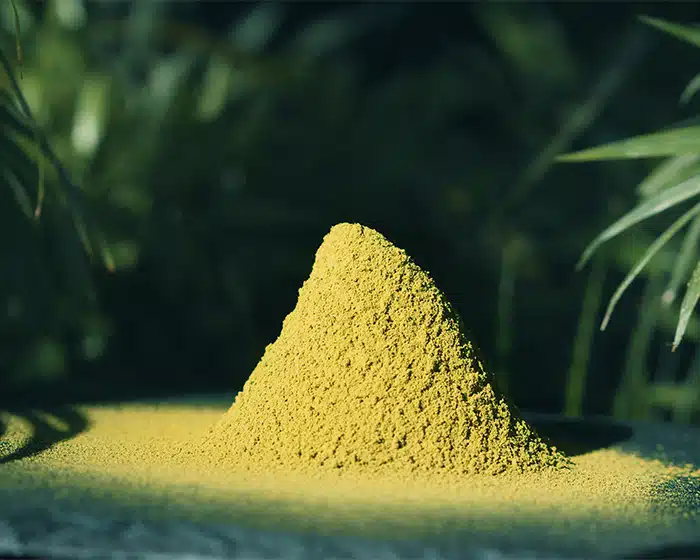
Mood: Relax, Calm, Focus
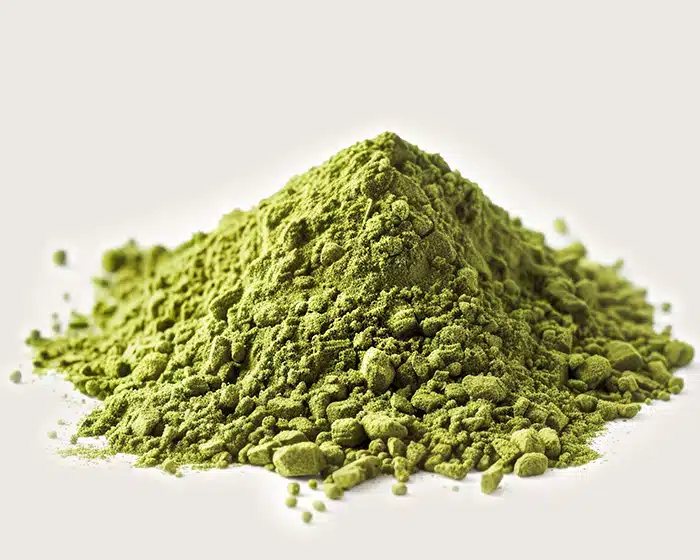
Mood: Increased Energy/ Sustain Energy, Productivity, Relax
- 1
- 2
- Water-based extraction is the safest and most accessible method for beginners
- Proper ratios typically range from 10:1 to 50:1, meaning 10-50 grams of powder creates 1 gram of extract
- Temperature control is crucial – never boil kratom as it destroys alkaloids
- Quality kratom powder from reputable vendors produces better extracts
- Safety precautions are essential when working with heat and concentrated substances
Understanding Kratom Extracts
Kratom extracts are concentrated forms of the kratom plant’s active compounds, primarily mitragynine and 7-hydroxymitragynine. These alkaloids provide kratom’s distinctive effects, and concentrating them creates a more potent product.
What Makes Extracts Different:
- Higher alkaloid concentration per gram
- Smaller required doses
- Longer shelf life when stored properly
- More consistent potency
The extraction process removes plant matter while preserving beneficial compounds. This results in a dark, resinous substance that’s significantly more potent than regular kratom powder.
Essential Equipment and Materials
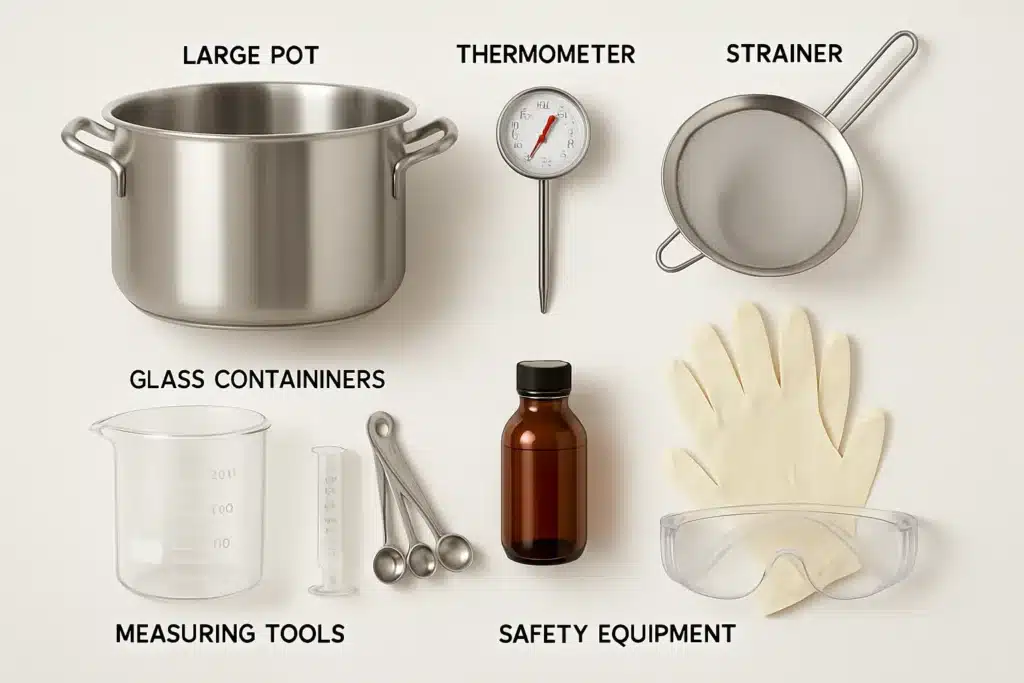
Before learning how to make kratom extract, gather these necessary items:
Basic Equipment:
- Large pot or slow cooker
- Fine mesh strainer or cheesecloth
- Glass containers for storage
- Measuring cups and spoons
- Thermometer
- Wooden spoon for stirring
Materials Needed:
- High-quality kratom powder (50-100 grams)
- Distilled water
- Lemon juice or citric acid
- pH strips (optional)
Safety Equipment:
- Heat-resistant gloves
- Eye protection
- Well-ventilated workspace
- Fire extinguisher nearby
Quality kratom powder is crucial for successful extraction. Learn about finding reliable kratom sources to ensure your extract starts with premium material.
🌿 Kratom Extract Calculator
Method 1: Water-Based Kratom Extract
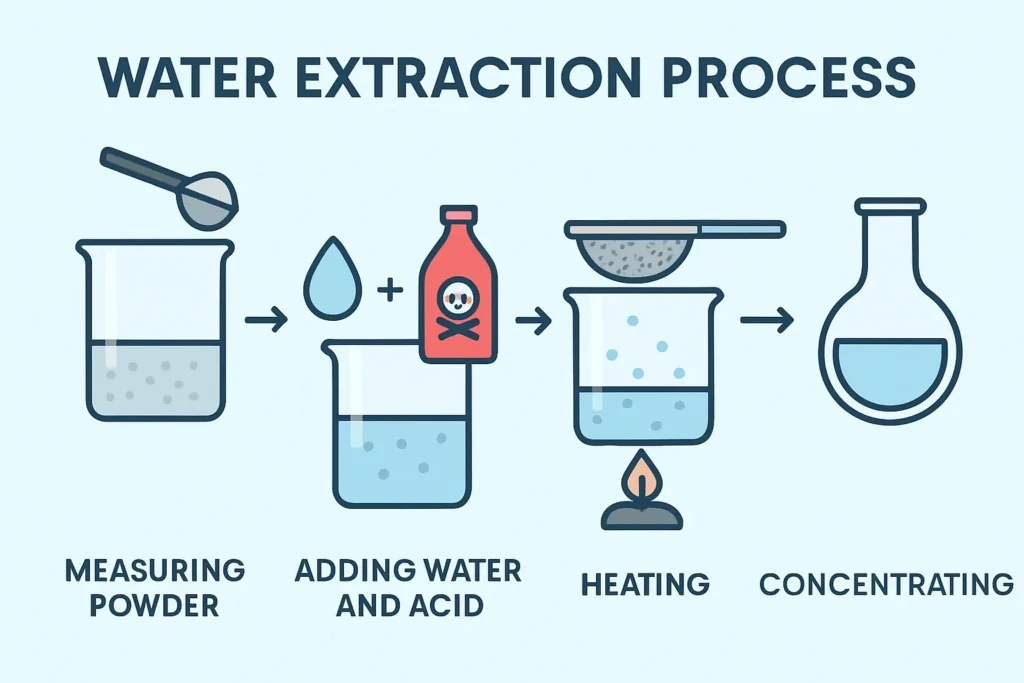
The water-based method is the safest and most beginner-friendly approach to learning how to make kratom extract. This technique uses heat and acid to extract alkaloids without dangerous chemicals.
Step-by-Step Water Extraction Process
Preparation Phase:
- Measure 50-100 grams of quality kratom powder
- Add powder to a large pot
- Pour in 1 liter of distilled water per 50g kratom
- Add 2 tablespoons of lemon juice for acidity
Extraction Phase:
- Heat mixture to 180°F (82°C) – never boiling
- Maintain temperature for 45 minutes, stirring occasionally
- Remove from heat and let cool for 30 minutes
- Strain through fine mesh or cheesecloth
- Press remaining plant matter to extract liquid
Concentration Phase:
- Return strained liquid to clean pot
- Simmer on low heat to evaporate water
- Stir frequently to prevent burning
- Continue until thick, tar-like consistency forms
- Cool completely before handling
💡 Pro Tip: The extraction is ready when a spoon dragged through the mixture leaves a clear trail that doesn’t immediately fill back in.
Optimizing Water Extraction
Temperature Control:
- Use a thermometer to monitor heat
- Alkaloids break down above 200°F
- Consistent low heat works better than high heat
Acid Addition Benefits:
- Improves alkaloid solubility
- Increases extraction efficiency
- Citric acid or lemon juice work best
Understanding kratom quality factors helps determine which strains work best for extraction.
Method 2: Alcohol-Based Kratom Extract
Alcohol extraction creates highly concentrated kratom extract with excellent alkaloid preservation. This method requires more caution but produces superior results.
Alcohol Extraction Process
Materials for Alcohol Method:
- High-proof ethanol (190 proof preferred)
- Glass mason jars
- Coffee filters
- Dark storage containers
Step-by-Step Alcohol Extraction:
- Initial Soaking:
- Combine kratom powder with ethanol (1:3 ratio)
- Seal in glass jar
- Shake vigorously for 2 minutes
- Store in cool, dark place for 24 hours
- First Filtration:
- Strain mixture through coffee filter
- Press plant matter to extract liquid
- Save filtered alcohol solution
- Second Extraction:
- Add fresh ethanol to used plant matter
- Repeat soaking process for 12 hours
- Strain and combine with first extraction
- Evaporation:
- Pour combined solution into shallow dish
- Allow alcohol to evaporate naturally (24-48 hours)
- Or use gentle heat (under 100°F) to speed process
Safety Considerations for Alcohol Extraction:
- Work in well-ventilated area
- No open flames or heat sources nearby
- Store alcohol safely away from ignition sources
- Use only food-grade ethanol
Method 3: Freeze-Thaw Extraction Technique
The freeze-thaw method breaks down plant cell walls, improving alkaloid extraction efficiency. This technique works well combined with other methods.
Freeze-Thaw Process
Preparation Steps:
- Mix kratom powder with acidified water
- Freeze mixture for 24 hours
- Thaw completely at room temperature
- Repeat freeze-thaw cycle 2-3 times
Benefits of Freeze-Thaw:
- Breaks down cellular structure
- Increases alkaloid availability
- No additional equipment needed
- Safe for beginners
Combining with Other Methods:
Use freeze-thaw as a pre-treatment before water or alcohol extraction for enhanced results.
Strain Selection for Kratom Extract
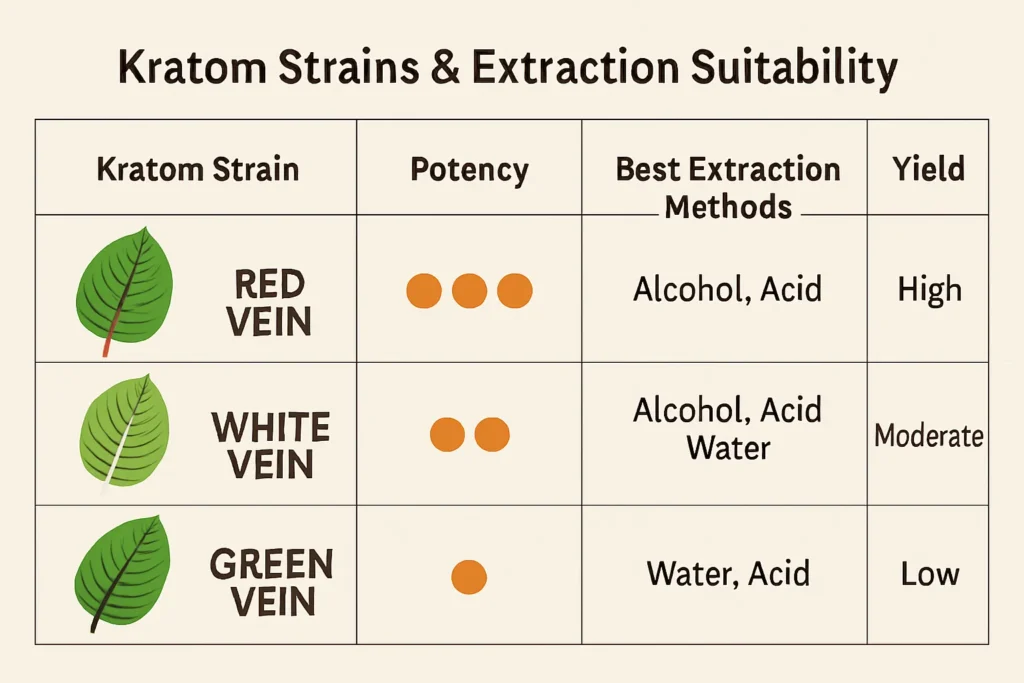
Different kratom strains produce varying extract qualities and effects. Understanding strain characteristics helps optimize your extraction process.
Best Strains for Extraction
Red Vein Strains:
- Higher alkaloid content
- Excellent for relaxation extracts
- Green Hulu Kapuas varieties offer unique profiles
White Vein Strains:
- Energizing alkaloid profiles
- Good for daytime extracts
- Higher mitragynine content
Green Vein Strains:
- Balanced alkaloid ratios
- Versatile extraction properties
- Popular for all-purpose extracts
Strain-Specific Considerations
| Strain Type | Best Extraction Method | Expected Potency | Ideal Use |
|---|---|---|---|
| Red Maeng Da | Water + Alcohol | High | Evening/Relaxation |
| White Borneo | Alcohol | Medium-High | Morning/Energy |
| Green Malay | Water | Medium | All-day use |
| Red Bali | Water | High | Pain relief |
Safety Precautions and Best Practices
Learning how to make kratom extract safely protects both health and product quality. Following proper safety protocols prevents accidents and ensures consistent results.
Essential Safety Guidelines
Heat Safety:
- Never leave heating extraction unattended
- Use heat-resistant gloves when handling hot materials
- Keep fire extinguisher accessible
- Work on stable, heat-resistant surfaces
Chemical Safety:
- Only use food-grade solvents
- Work in well-ventilated areas
- Avoid mixing different solvents
- Properly dispose of waste materials
Personal Protection:
- Wear safety glasses when handling acids
- Use gloves to prevent skin contact
- Avoid inhaling vapors or dust
- Keep workspace clean and organized
Storage and Handling
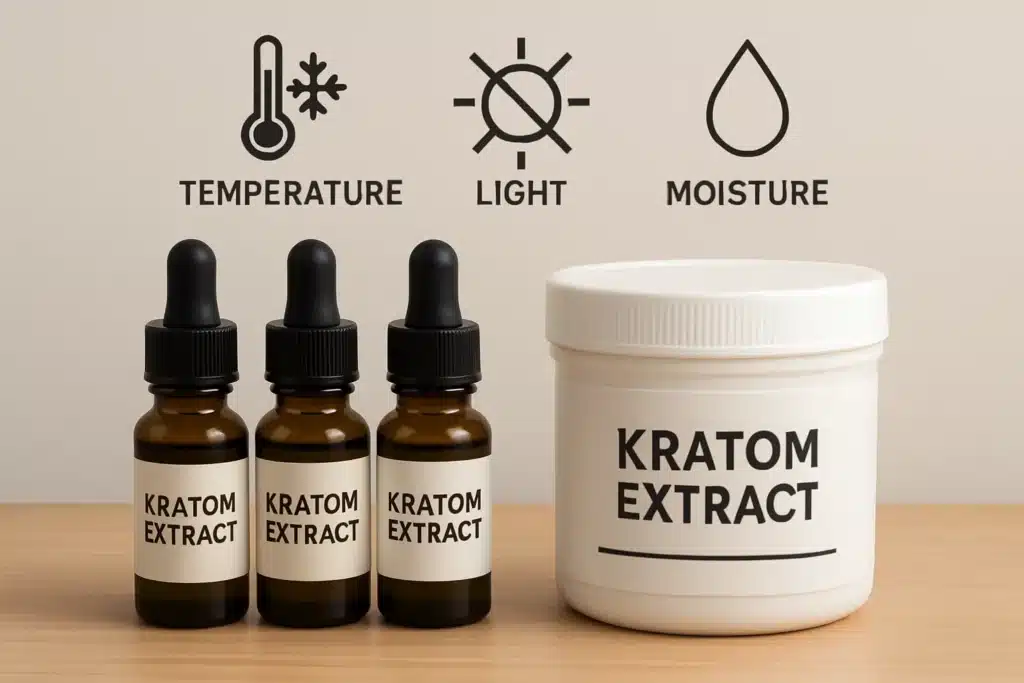
Proper Storage Conditions:
- Airtight containers prevent moisture
- Dark locations preserve alkaloids
- Cool temperatures extend shelf life
- Label containers with dates and potency
Handling Concentrated Extracts:
- Start with very small test doses
- Use precision scales for measurement
- Keep extracts away from children and pets
- Document potency and effects
Before starting any extraction project, ensure you understand local kratom regulations in your area.
Testing and Measuring Extract Potency
Determining extract potency helps ensure safe dosing and consistent effects. While professional testing requires laboratory equipment, home methods provide useful estimates.
Home Testing Methods
Visual Assessment:
- Dark, resinous appearance indicates concentration
- Consistency should be thick but not brittle
- Uniform color suggests even extraction
Yield Calculations:
- Measure starting material weight
- Compare to final extract weight
- Calculate concentration ratio
Effect Testing:
- Start with tiny amounts (0.1g or less)
- Document effects and duration
- Compare to regular kratom doses
- Adjust future doses accordingly
Professional Testing Options
For serious extract makers, professional alkaloid testing provides accurate potency measurements. Some laboratories offer kratom alkaloid analysis services, though costs may be prohibitive for home users.
Dosage Guidelines for Homemade Extracts
Proper dosing of homemade kratom extract requires extreme caution. Extract potency varies significantly based on method, starting material, and individual technique.
Starting Dose Recommendations
Ultra-Conservative Approach:
- Begin with 0.05-0.1 grams
- Wait 2-3 hours before additional doses
- Increase gradually by 0.05g increments
- Document all effects and timing
Calculating Equivalent Doses:
If your normal kratom dose is 3 grams of powder:
- 10:1 extract dose = 0.3 grams
- 20:1 extract dose = 0.15 grams
- 50:1 extract dose = 0.06 grams
Factors Affecting Extract Potency
Extraction Efficiency Variables:
- Temperature control during process
- Duration of extraction
- Quality of starting material
- Accuracy of measurements
- Environmental conditions
Individual Response Factors:
- Body weight and metabolism
- Kratom tolerance levels
- Empty vs. full stomach
- Other medications or substances
Remember that age requirements for kratom purchase exist in many areas, and these same considerations apply to extract making.
Troubleshooting Common Extract Problems
Even experienced makers encounter issues when learning how to make kratom extract. Understanding common problems and solutions improves success rates.
Low Yield Issues
Possible Causes:
- Insufficient extraction time
- Temperature too low or too high
- Poor quality starting material
- Inadequate acid addition
Solutions:
- Extend extraction time to 60-90 minutes
- Maintain steady 180°F temperature
- Source higher quality kratom powder
- Add more citric acid or lemon juice
Consistency Problems
Too Thick/Hard:
- Over-evaporation during concentration
- Add small amounts of warm water
- Reheat gently to restore workability
Too Thin/Weak:
- Insufficient evaporation
- Continue gentle heating
- Test small sample for desired consistency
Color and Appearance Issues
Burnt/Black Appearance:
- Temperature too high during process
- Indicates alkaloid degradation
- Start over with better temperature control
Light Color/Weak Extract:
- Insufficient extraction
- Low alkaloid content in source material
- Consider longer extraction time
Advanced Extraction Techniques
Experienced makers can explore advanced methods for superior kratom extract quality and potency.
Multi-Stage Extraction
Sequential Processing:
- Initial water extraction
- Alcohol wash of remaining plant matter
- Combine both extracts
- Concentrate final solution
This method maximizes alkaloid recovery from source material.
pH Optimization
Alkaloid Solubility Enhancement:
- Test pH during extraction
- Maintain slightly acidic conditions (pH 4-5)
- Adjust with citric acid as needed
- Monitor throughout process
Cold Extraction Methods
Room Temperature Processing:
- Extended soaking periods (1-2 weeks)
- Regular agitation
- No heat-related alkaloid loss
- Requires patience but preserves delicate compounds
Cost Analysis: Homemade vs. Commercial Extracts
Understanding the economics of extract making helps justify the time and effort investment.
Cost Breakdown for Homemade Extract
Materials Cost Example:
- 100g quality kratom powder: $15-25
- Citric acid: $2
- Distilled water: $1
- Energy costs: $2-3
- Total: $20-31
Yield Expectations:
- 100g powder → 5g of 20:1 extract
- Cost per gram of extract: $4-6
Commercial Extract Comparison
Retail Extract Prices:
- Quality 20:1 extract: $15-25 per gram
- Premium extracts: $30+ per gram
- Bulk pricing may reduce costs
Cost Savings:
Homemade extracts typically cost 60-80% less than commercial products while allowing complete quality control.
For reference on commercial pricing, check out reviews of established kratom vendors to understand market rates.
Quality Control and Consistency
Maintaining consistent extract quality requires systematic approach and careful documentation.
Batch Documentation
Record Keeping:
- Source material details
- Extraction method used
- Time and temperature logs
- Final yield measurements
- Potency testing results
Standardization Techniques
Process Consistency:
- Use identical procedures each batch
- Measure ingredients precisely
- Control environmental factors
- Test small samples before full processing
Quality Indicators
Visual Assessment Criteria:
- Uniform dark color
- Smooth, resinous texture
- No plant matter contamination
- Proper consistency for storage
Legal Considerations and Compliance
Before making kratom extract, understand local regulations and legal requirements in your area.
Regional Legal Status
Varying State Laws:
- Some states prohibit kratom entirely
- Others have age restrictions
- Local ordinances may apply
- Check current legal status before proceeding
Responsible Use Guidelines
Personal Use Only:
- Never sell homemade extracts
- Don’t distribute to others
- Keep detailed personal records
- Respect local regulations
Safety Documentation
Liability Protection:
- Document safety procedures followed
- Keep extraction logs
- Record any incidents or issues
- Maintain clean workspace standards
Storage and Preservation Methods
Proper storage extends extract shelf life and maintains potency over time.
Optimal Storage Conditions
Environmental Factors:
- Temperature: 60-70°F ideal
- Humidity: Low moisture environments
- Light: Dark storage locations
- Air exposure: Minimize oxygen contact
Container Selection
Best Storage Options:
- Glass vials with tight seals
- Food-grade plastic containers
- Vacuum-sealed packages
- Desiccant packets for moisture control
Long-Term Preservation
Extended Storage Tips:
- Divide into small portions
- Freeze portions not in use
- Check regularly for degradation signs
- Rotate stock using oldest first
Alternative Uses for Kratom Extract
Beyond direct consumption, kratom extract has various applications for experienced users.
Tincture Creation
Alcohol-Based Tinctures:
- Dissolve extract in high-proof alcohol
- Creates liquid dosing option
- Easier to measure small amounts
- Longer shelf life than powder
Capsule Preparation
Encapsulation Benefits:
- Precise dosing control
- Eliminates taste issues
- Convenient for travel
- Professional appearance
Topical Applications
External Use Considerations:
- Some users create topical preparations
- Research limited on effectiveness
- Start with very small test areas
- Consult healthcare providers
For more information about kratom applications and vendor options, explore additional vendor reviews to understand product quality standards.
Frequently Asked Questions – How To Make Kratom Extract
What is kratom extract?
Kratom extract is a concentrated form of kratom made by reducing a liquid that contains dissolved alkaloids from kratom leaves or powder. The process increases alkaloid density compared to plain leaf. Extracts can appear as liquids, resins, or powders depending on the method and level of reduction used.
Why do people make kratom extract?
People make kratom extract to concentrate the active alkaloids into a smaller volume. This can make storage easier and allow more precise measurement by weight or volume. Some also prefer extracts because they reduce the amount of raw plant material consumed compared to traditional kratom powder.
What ingredients are commonly used to make kratom extract?
- Kratom leaf or kratom powder as the source material.
- Water as the main extraction liquid.
- A mild acid such as lemon juice or vinegar to aid extraction.
- Optional filtration materials like coffee filters or fine cloth.
What is the basic method for making kratom extract?
The basic method involves simmering kratom in water with a mild acid, then straining out the plant material and reducing the liquid. Gentle heat helps pull alkaloids into the liquid. The liquid is slowly evaporated to increase concentration until the desired extract strength and form are reached.
How long does it take to make kratom extract?
The process usually takes several hours from start to finish. Simmering can take one to two hours, while straining and reduction may take additional time. Drying or thickening the extract can extend the process further. Total time depends on batch size, heat level, and final extract form.
Can kratom extract be made without alcohol?
Yes, kratom extract can be made using water and a mild acid only. Many people choose this method to avoid alcohol entirely. Water based extraction is slower and may yield a different alkaloid profile, but it remains a common and simple approach for home preparation.
What forms can homemade kratom extract take?
- Liquid extract that remains pourable.
- Thick resin created by further reduction.
- Dried extract that hardens and can be powdered.
How should kratom extract be stored?
Kratom extract should be stored in airtight containers away from heat, light, and moisture. Liquid extracts often last longer when refrigerated. Dried extracts are more stable at room temperature when kept dry. Proper storage helps limit degradation of alkaloids over time.
Is making kratom extract stronger than using plain kratom powder?
Extracts are typically more concentrated than plain powder because much of the plant material is removed. Strength depends on how much liquid is reduced and how much kratom was used. Concentration varies widely between batches, which is why careful measurement and consistency matter during preparation.
What common mistakes should be avoided when making kratom extract?
- Using high heat that can damage alkaloids.
- Skipping filtration which leaves excess plant matter.
- Reducing the liquid too quickly.
- Failing to track starting material amounts.
Conclusion
Learning how to make kratom extract at home provides cost savings, quality control, and deeper understanding of kratom’s properties. The water-based method offers the safest starting point for beginners, while alcohol extraction produces more potent results for experienced users.
Key Success Factors:
- Start with high-quality kratom powder
- Maintain proper temperature control
- Follow safety protocols religiously
- Begin with conservative dosing
- Document everything for consistency
Next Steps:
- Choose your preferred extraction method
- Gather all necessary equipment and materials
- Start with small test batches
- Perfect your technique before scaling up
- Always prioritize safety over speed or yield
Remember that extract making requires patience, attention to detail, and respect for the concentrated nature of the final product. Start small, learn from each batch, and gradually develop your skills through careful practice.
For ongoing education about kratom and extract making, visit our comprehensive blog for additional resources and updates on best practices.
Daniel Brooks
Daniel Brooks is a U.S. based botanical writer with over six years of hands on experience in kratom focused content. He studies kratom strains, sourcing standards, dosage patterns, and consumer safety topics. He stays up to date with current news, regulatory changes, and market trends related to kratom and botanical products.
His work includes educational guides, strain breakdowns, and vendor reviews written for everyday users. He avoids promotional language and presents clear facts. Daniel helps readers understand both benefits and risks so they can make informed choices about responsible kratom use.