

Finding the right kratom dosage can feel like navigating uncharted waters, especially when conflicting advice floods online forums and social media. One person swears by a teaspoon, while another claims you need three times that amount – leaving newcomers confused and potentially at risk. The truth is that kratom dosing is highly individual, and starting with the wrong amount can lead to uncomfortable side effects or complete disappointment with this botanical supplement.
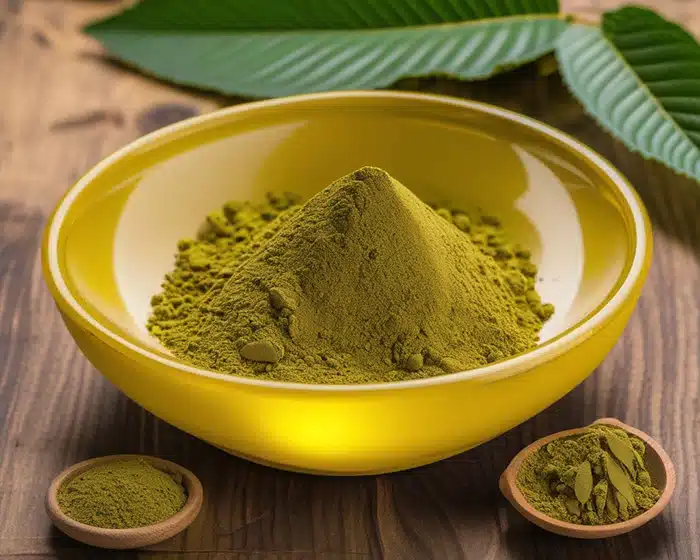
Mood: Productivity, Relax, Calm

Mood: Relax, Calm, Focus
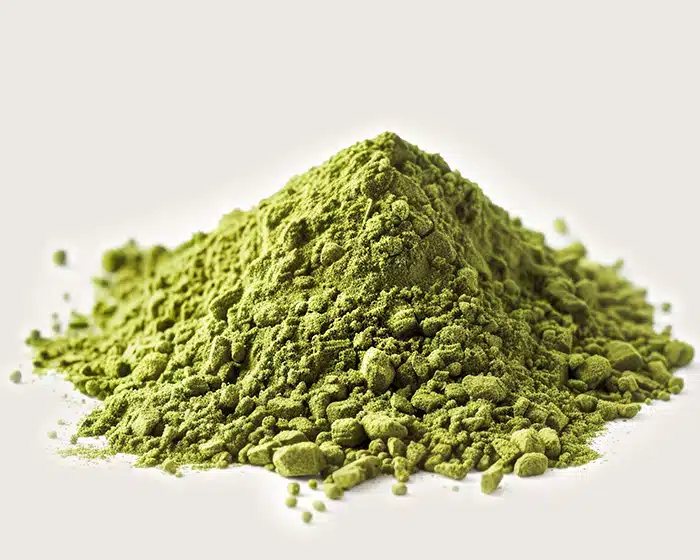
Mood: Increased Energy/ Sustain Energy, Productivity, Relax
Unlike pharmaceutical medications with standardized dosing charts, kratom’s effects vary dramatically based on strain type, individual body chemistry, tolerance levels, and quality of the product. This comprehensive guide cuts through the confusion to provide evidence-based, practical advice on how much kratom to take safely and effectively.
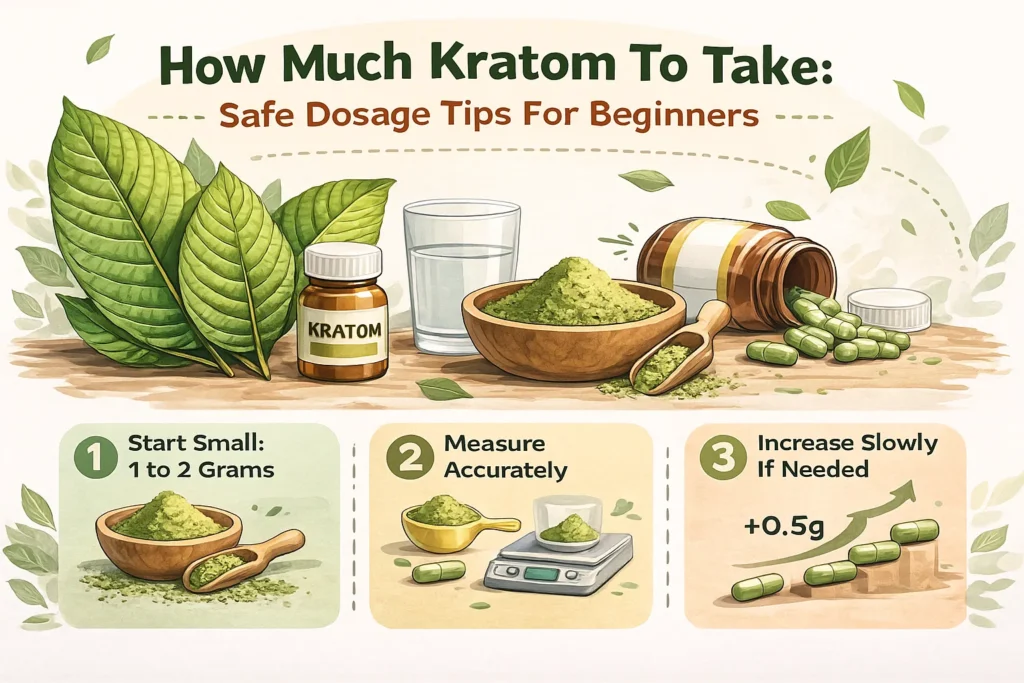
- Start low and go slow: Begin with 1-2 grams and wait at least 45-60 minutes before considering additional doses
- Body weight and tolerance matter: Heavier individuals and those with substance tolerance may require slightly higher starting doses
- Strain type affects dosage: White strains typically require lower doses for energy effects, while red strains may need moderate doses for relaxation
- Less is often more: Higher doses can cause sedation and nausea, even with stimulating strains
- Track your experience: Keep a dosage journal to identify your optimal range and avoid tolerance buildup
Understanding Kratom Basics Before Dosing
Before diving into specific dosage recommendations, it’s crucial to understand what makes kratom unique among botanical supplements. Kratom (Mitragyna speciosa) contains over 40 alkaloids, with mitragynine and 7-hydroxymitragynine being the most studied. These compounds interact with opioid receptors in the brain, but in a fundamentally different way than traditional opioids.
The Dose-Response Relationship 📊
Kratom exhibits what researchers call a “biphasic dose-response relationship.” This means:
- Low doses (1-3 grams): Typically produce stimulating, energizing effects
- Moderate doses (3-6 grams): Often provide balanced mood enhancement and mild relaxation
- High doses (6+ grams): Usually result in sedating, potentially uncomfortable effects
This unique characteristic means that more kratom doesn’t always equal better results. Many experienced users report that their sweet spot remains in the lower to moderate range, even after years of use.
Beginner Dosage Guidelines: How Much Kratom To Take
Starting Dose Recommendations
For complete beginners, the golden rule is simple: start with 1-2 grams maximum. This conservative approach allows you to:
✅ Assess your individual sensitivity
✅ Avoid overwhelming side effects
✅ Establish a baseline for future adjustments
✅ Minimize risk of nausea or dizziness
Body Weight Considerations
While kratom dosing isn’t as straightforward as weight-based calculations, body size does play a role:
| Weight Range | Starting Dose | Maximum Beginner Dose |
|---|---|---|
| Under 130 lbs | 1 gram | 2 grams |
| 130-180 lbs | 1.5 grams | 2.5 grams |
| Over 180 lbs | 2 grams | 3 grams |
Important note: These are starting points only. Some individuals may find their optimal dose below these ranges.
Timing and Frequency Guidelines
How often should beginners take kratom? The answer depends on your goals and body’s response:
- First-time users: Wait at least 6-8 hours between doses
- Regular users: Most benefit from dosing 2-3 times per day maximum
- Daily users: Consider taking 1-2 days off per week to prevent tolerance
Understanding how long kratom takes to kick in is essential for proper timing and avoiding the common mistake of redosing too quickly.
Strain-Specific Dosage Recommendations
Different kratom strains require different dosing approaches due to their varying alkaloid profiles and effects.
White Vein Kratom Dosing
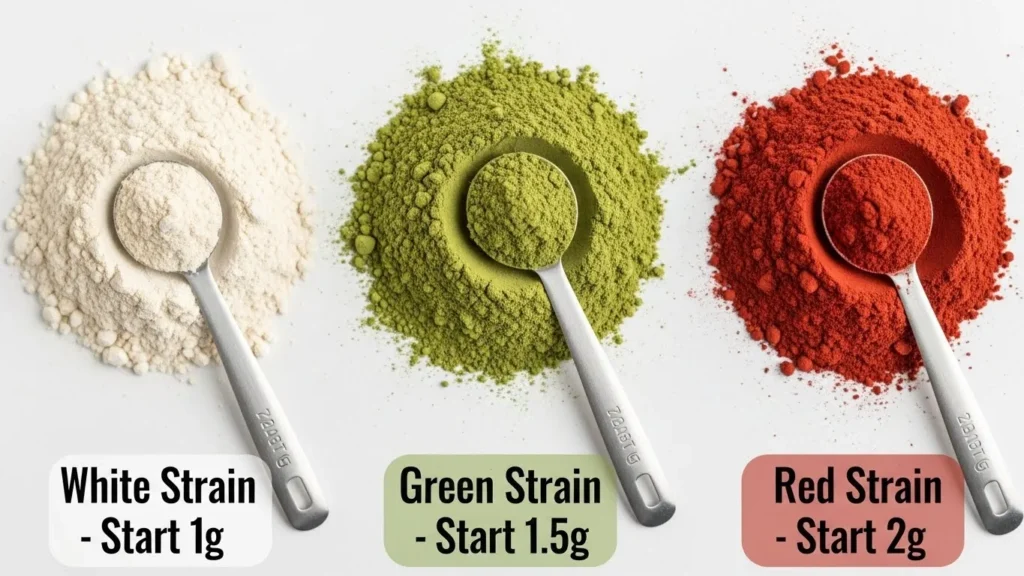
White strains are typically the most potent for energy and focus effects:
- Beginner dose: 0.5-1.5 grams
- Experienced dose: 2-4 grams
- Best timing: Morning or early afternoon
Popular white strains like White Maeng Da or White Borneo can be particularly stimulating, so err on the lower side initially.
Red Vein Kratom Dosing
Red strains generally require moderate doses for optimal relaxation effects:
- Beginner dose: 1-2.5 grams
- Experienced dose: 3-6 grams
- Best timing: Evening or when relaxation is desired
Brown Borneo kratom and other red varieties can provide excellent evening relaxation when dosed appropriately.
Green Vein Kratom Dosing
Green strains offer balanced effects and are often ideal for beginners:
- Beginner dose: 1-2 grams
- Experienced dose: 2.5-5 grams
- Best timing: Any time of day
Gold and Yellow Strains
These specialty strains typically fall between red and green in terms of effects:
- Beginner dose: 1-2 grams
- Experienced dose: 3-5 grams
Gold Borneo kratom powder exemplifies this category with its balanced alkaloid profile.
Factors That Influence Kratom Dosage

Individual Body Chemistry
Genetics play a significant role in how your body processes kratom alkaloids. Factors include:
- Liver enzyme activity: Affects how quickly kratom is metabolized
- Receptor sensitivity: Determines how strongly you respond to alkaloids
- Stomach acidity: Influences absorption rates
- Overall health status: Can impact processing efficiency
Food and Stomach Contents 🍽️
Taking kratom on an empty stomach versus with food dramatically affects both onset time and intensity:
Empty stomach (recommended for beginners):
- Faster onset (15-30 minutes)
- More predictable effects
- Higher bioavailability
- Easier to gauge proper dosage
With food:
- Slower onset (45-90 minutes)
- Reduced intensity
- Longer duration
- May require higher doses
Previous Substance Use
Tolerance to other substances can influence kratom sensitivity:
- Opioid tolerance: May require slightly higher kratom doses
- Caffeine sensitivity: Could affect response to white strains
- Alcohol use: May impact liver processing
- Medication interactions: Always consult healthcare providers
Common Dosage Mistakes to Avoid
The “More Is Better” Trap
One of the biggest mistakes beginners make is assuming higher doses will provide better effects. In reality:
❌ Taking too much can cause:
- Nausea and vomiting
- Dizziness and disorientation
- Excessive sedation
- “Wobbles” (eye tremors)
- Headaches
✅ Optimal dosing provides:
- Clear, manageable effects
- No uncomfortable side effects
- Sustainable long-term use
- Better value for money
Redosing Too Quickly
Patience is crucial when learning how much kratom to take. Common timing mistakes include:
- Redosing before 45-60 minutes have passed
- Taking additional kratom when effects are already present
- Stacking doses throughout the day without breaks
Ignoring Quality Differences
Not all kratom is created equal. Dosage requirements can vary significantly between:
- Different vendors and batches
- Fresh versus aged kratom
- Processing and storage methods
- Adulterated or low-quality products
When choosing where to buy kratom, quality should be the primary consideration, as it directly impacts dosing accuracy.
Advanced Dosing Strategies
The Plateau Method
Once you’ve established a baseline dose, the plateau method helps find your optimal range:
- Week 1: Use your established starting dose
- Week 2: Increase by 0.5 grams if needed
- Week 3: Adjust by another 0.5 grams if necessary
- Week 4: Maintain your effective dose
Rotation Scheduling
Strain rotation prevents tolerance and maintains effectiveness:
- Monday/Wednesday/Friday: White strain (lower dose)
- Tuesday/Thursday: Green strain (moderate dose)
- Saturday: Red strain (moderate dose)
- Sunday: Rest day or different strain
Microdosing Approach
Some users prefer microdosing kratom throughout the day:
- 0.5-1 gram doses every 4-6 hours
- Maximum 3-4 doses per day
- Maintains steady effects without peaks and valleys
Safety Considerations and Red Flags
When to Stop or Reduce Dosage
Immediately reduce or discontinue use if you experience:
🚨 Severe side effects:
- Persistent nausea or vomiting
- Extreme dizziness or disorientation
- Respiratory depression
- Severe headaches
- Allergic reactions
🚨 Tolerance indicators:
- Needing increasingly higher doses
- Effects lasting shorter periods
- Withdrawal-like symptoms between doses
- Compulsive redosing behavior
Drug Interactions and Medical Conditions
Consult healthcare providers before using kratom if you:
- Take prescription medications
- Have liver or kidney disease
- Have a history of substance abuse
- Are pregnant or breastfeeding
- Have cardiovascular conditions
Understanding how long kratom stays in your system is important for medical procedures and potential drug testing.
Legal Considerations by State
Kratom legality varies by location, which affects access and quality control. Before determining how much kratom to take, ensure it’s legal in your area:
States with kratom bans or restrictions may have limited access to quality products, making dosage determination more challenging.
Measuring and Preparing Your Dose
Accurate Measurement Tools
Precision matters when determining how much kratom to take:
✅ Recommended tools:
- Digital scale (0.1-gram accuracy)
- Measuring spoons (for approximate dosing)
- Capsule filling machines (for convenience)
❌ Avoid these methods:
- Eyeballing powder amounts
- Using random household spoons
- Relying on “pinch” measurements
Preparation Methods
Different preparation methods affect absorption:
Toss and Wash:
- Place powder on tongue
- Wash down with liquid
- Fast onset, full potency
Kratom Tea:
- Simmer powder in water 15-20 minutes
- Strain and drink liquid
- Gentler on stomach, slightly reduced potency
Mixing with Food:
- Blend into smoothies or yogurt
- Masks bitter taste
- Slower onset, may reduce effects
Building a Sustainable Kratom Routine
Creating a Dosage Journal
Track your kratom experience to optimize dosing:
📝 Record these details:
- Date and time of dose
- Strain and vendor
- Exact amount taken
- Food/stomach status
- Effects experienced
- Duration of effects
- Side effects (if any)
Tolerance Prevention Strategies
Maintain kratom’s effectiveness long-term:
- Stick to minimum effective doses
- Take regular tolerance breaks
- Rotate between different strains
- Avoid daily use when possible
- Don’t chase stronger effects with higher doses
Quality Vendor Selection
Choose reputable vendors for consistent dosing:
Research vendors like Benni Botanicals and Beleafer that provide:
✅ Third-party lab testing
✅ Consistent alkaloid profiles
✅ Proper storage and handling
✅ Transparent sourcing information
✅ Accurate product descriptions
Common Dosage Issues
“I Don’t Feel Anything”
If kratom seems ineffective:
- Wait longer: Effects can take 45-90 minutes
- Check stomach contents: Try on empty stomach
- Verify product quality: Switch vendors if necessary
- Increase gradually: Add 0.5 grams to next dose
- Try different strains: Some work better for certain individuals
“The Effects Are Too Strong”
If kratom feels overwhelming:
- Reduce next dose by 25-50%
- Take with food to slow absorption
- Stay hydrated and rest
- Wait longer between doses
- Consider switching to a milder strain
Inconsistent Effects
If kratom effects vary dramatically:
- Standardize timing: Take at same times daily
- Maintain consistent food status: Always empty or always with food
- Stick to one strain: Avoid mixing different varieties
- Check product batches: Different lots may vary in potency
🌿 Kratom Dosage Calculator
The Science Behind Kratom Dosing
Alkaloid Concentration Variations
Understanding alkaloid profiles helps explain why dosing can be so variable:
Mitragynine content typically ranges from 0.5% to 1.5% in quality kratom, while 7-hydroxymitragynine usually comprises 0.01% to 0.04% of total alkaloids. These seemingly small differences can significantly impact how much kratom to take for desired effects.
Factors affecting alkaloid concentration:
- Tree age and maturity
- Harvesting season and timing
- Drying and processing methods
- Storage conditions and duration
- Geographic origin and soil composition
Bioavailability and Absorption
Kratom’s bioavailability – the percentage of alkaloids that actually reach your bloodstream – varies based on several factors:
Oral bioavailability of kratom alkaloids is estimated at 20-40%, meaning that significant amounts are lost during digestion. This explains why some users experiment with alternative consumption methods, though oral ingestion remains the safest and most predictable approach.
Long-Term Dosage Management
Preventing Tolerance Escalation
Tolerance to kratom develops relatively quickly compared to many botanical supplements. Smart long-term users employ several strategies:
The “Less is More” Philosophy:
- Resist urges to increase doses
- Take regular breaks (2-3 days weekly)
- Rotate strains to prevent receptor adaptation
- Focus on lifestyle factors that enhance kratom’s effects
Potentiation Strategies:
Rather than increasing kratom doses, some users enhance effects through:
- Turmeric/curcumin: May increase bioavailability
- Grapefruit juice: Can slow metabolism (use cautiously)
- Magnesium supplements: May reduce tolerance
- Proper hydration: Ensures optimal absorption
Recognizing Dependence Warning Signs
Physical dependence can develop with regular kratom use. Warning signs include:
🚨 Early indicators:
- Needing kratom to feel “normal”
- Irritability when doses are delayed
- Difficulty reducing or skipping doses
- Using kratom to avoid withdrawal-like symptoms
If dependence develops, consider:
- Gradual dose reduction (tapering)
- Professional addiction counseling
- Temporary cessation with medical supervision
- Alternative wellness strategies
Special Populations and Dosing Considerations
Age-Related Factors
Older adults may need adjusted dosing due to:
- Slower metabolism
- Increased medication interactions
- Higher sensitivity to sedating effects
- Potential liver or kidney function changes
Recommended adjustments:
- Start with 25-50% lower doses
- Extend waiting periods between doses
- Monitor for increased side effects
- Consult healthcare providers more frequently
Gender Differences
Research suggests some gender-based differences in kratom response:
Women may experience:
- Higher sensitivity to certain alkaloids
- Different hormonal interactions
- Varying effects during menstrual cycles
- Potentially faster tolerance development
Men may experience:
- Need for slightly higher starting doses
- Different metabolic processing rates
- Varying responses based on testosterone levels
Athletes and Active Individuals
Physical activity levels can influence kratom dosing:
Highly active individuals might notice:
- Faster metabolism requiring adjusted timing
- Different hydration needs
- Potential interactions with pre-workout supplements
- Varying recovery-related dosing needs
Quality Control and Dosage Accuracy

Lab Testing and Standardization
Third-party lab testing is crucial for accurate dosing. Quality vendors provide:
✅ Alkaloid content analysis: Shows exact mitragynine and 7-hydroxymitragynine levels
✅ Heavy metal screening: Ensures product safety
✅ Microbial testing: Confirms absence of harmful bacteria
✅ Pesticide analysis: Verifies clean cultivation practices
Batch Variation Management
Even from reputable vendors, different batches can vary in potency. Smart consumers:
- Start conservatively with new batches
- Keep detailed records of effective doses by batch number
- Contact vendors about significant potency differences
- Store kratom properly to maintain consistency
For reliable, tested products, explore options from established vendors featured in our kratom blog reviews and guides.
Emergency Situations and Overdose Recognition
Signs of Kratom Overconsumption
Taking too much kratom can cause uncomfortable but rarely dangerous effects:
🚨 Immediate symptoms:
- Severe nausea and vomiting
- Extreme dizziness or “wobbles”
- Profuse sweating
- Rapid heartbeat
- Extreme sedation or confusion
Management steps:
- Stop taking kratom immediately
- Stay hydrated with clear fluids
- Rest in a safe, comfortable environment
- Seek medical attention if symptoms are severe
- Don’t drive or operate machinery
When to Seek Medical Help
Contact emergency services if experiencing:
- Difficulty breathing
- Chest pain or irregular heartbeat
- Loss of consciousness
- Severe allergic reactions
- Persistent vomiting preventing hydration
Building Your Personal Dosage Protocol
Week-by-Week Beginner Plan
Week 1: Establishment Phase
- Day 1-2: 1 gram, observe effects for 2 hours
- Day 3-4: Adjust by ±0.5 grams based on response
- Day 5-7: Maintain effective dose, note timing preferences
Week 2: Optimization Phase
- Fine-tune dosage in 0.25-gram increments
- Test different strains at established dose
- Experiment with timing (morning vs. afternoon)
Week 3: Stabilization Phase
- Maintain consistent dosing schedule
- Begin strain rotation if desired
- Document optimal dose ranges for different goals
Week 4: Long-term Planning
- Establish sustainable routine
- Plan tolerance prevention strategies
- Set boundaries for maximum daily/weekly use
Creating Personal Dosing Rules
Successful long-term users often establish personal guidelines:
📋 Sample personal rules:
- “Never exceed X grams in a single dose”
- “Always wait at least 6 hours between doses”
- “Take Sundays off completely”
- “Don’t use kratom for emotional coping”
- “Reduce dose if tolerance signs appear”
Frequently Asked Questions About Kratom Dosage
For beginners, it’s recommended to start with 1-2 grams of kratom. This low dose allows you to assess your body’s reaction and tolerance. Wait at least 30-45 minutes before considering taking more, as kratom effects can take time to manifest.
Different kratom strains have varying potencies:
- Red strains: Generally more potent, start with lower doses (1-2g)
- Green strains: Moderate potency, 2-3g for beginners
- White strains: Can be stimulating, start with 1.5-2.5g
Always research the specific strain you’re using, as potency can vary significantly between vendors and batches.
Several factors affect optimal kratom dosage:
- Body weight: Heavier individuals may need slightly higher doses
- Tolerance: Regular users typically need more than beginners
- Empty vs. full stomach: Taking on empty stomach increases effects
- Desired effects: Lower doses for energy, higher for relaxation
- Individual sensitivity: Some people are naturally more sensitive
Wait at least 6-8 hours between kratom doses to avoid building tolerance quickly. For beginners, it’s recommended to limit use to 2-3 times per week maximum. Daily use can lead to dependence and tolerance issues.
Signs of taking too much kratom include:
- Nausea and vomiting
- Dizziness or lightheadedness
- Excessive drowsiness
- Irritability or anxiety
- Headache
- Loss of appetite
If you experience these symptoms, reduce your dose next time and stay hydrated.
Taking kratom on an empty stomach increases absorption and potency, but it can also increase the risk of nausea. For beginners, it’s recommended to take kratom with a light snack to minimize stomach upset while still allowing for good absorption.
The most accurate way to measure kratom is with a digital scale that measures to 0.1g. As a rough guide:
- 1 level teaspoon ≈ 2-2.5 grams
- 1 level tablespoon ≈ 6-7 grams
However, powder density varies, so a scale is always more reliable than volume measurements.
Important: This information is for educational purposes only. Kratom is not approved by the FDA for medical use. Always consult with a healthcare provider before using kratom, especially if you have medical conditions or take medications.
Conclusion:
Learning how much kratom to take is a highly individual journey that requires patience, careful observation, and commitment to safety principles. The key to successful kratom use lies not in finding the highest tolerable dose, but in discovering the minimum effective amount that provides your desired benefits.
🎯 Start low, go slow – Begin with 1-2 grams and increase gradually
🎯 Quality matters – Invest in lab-tested products from reputable vendors
🎯 Track your experience – Maintain detailed records of doses and effects
🎯 Respect the plant – Use kratom responsibly and take regular breaks
🎯 Stay informed – Keep up with legal changes and safety research
The difference between a positive kratom experience and an uncomfortable one often comes down to dosage precision. By following the guidelines in this comprehensive guide, beginners can avoid common pitfalls while establishing a safe, effective routine.
Remember that kratom affects everyone differently, and what works for others may not work for you. Trust your body’s responses, prioritize safety over strong effects, and don’t hesitate to reduce or discontinue use if you experience concerning symptoms.
Daniel Brooks
Daniel Brooks is a U.S. based botanical writer with over six years of hands on experience in kratom focused content. He studies kratom strains, sourcing standards, dosage patterns, and consumer safety topics. He stays up to date with current news, regulatory changes, and market trends related to kratom and botanical products.
His work includes educational guides, strain breakdowns, and vendor reviews written for everyday users. He avoids promotional language and presents clear facts. Daniel helps readers understand both benefits and risks so they can make informed choices about responsible kratom use.