In a world where wellness trends come and go, one plant has sparked intense debate among consumers, researchers, and lawmakers alike. Kratom, a tropical tree native to Southeast Asia, has found its way into American wellness routines despite ongoing regulatory uncertainty. Many people now ask, can you buy kratom legally and safely in the United States. Whether you are curious about this botanical or considering your first purchase, understanding where and how to buy kratom safely is crucial for making informed decisions.
- Legal status varies by location: Kratom legality differs significantly between states, counties, and municipalities, making location-specific research essential before purchasing
- Online vendors typically offer better quality and variety: Reputable online retailers generally provide superior product testing, wider strain selections, and more competitive pricing than local stores
- Third-party lab testing is non-negotiable: Quality kratom vendors provide certificates of analysis showing contamination testing and alkaloid content verification
- Local purchases offer immediate availability: Physical stores provide instant gratification and the ability to inspect products before buying, though selection may be limited
- Price and quality often correlate: Extremely cheap kratom may indicate poor quality or contamination, while premium pricing doesn’t always guarantee superior products
Understanding Kratom’s Legal Landscape
Before exploring where you can buy kratom, understanding its legal status is paramount. The regulatory environment surrounding kratom remains complex and constantly evolving, creating a patchwork of laws that vary dramatically by jurisdiction.
Federal Legal Status
At the federal level, kratom occupies a unique position. Unlike many controlled substances, kratom is not scheduled under the Controlled Substances Act, meaning it’s technically legal at the federal level. However, the Food and Drug Administration (FDA) has expressed concerns about kratom’s safety and has issued warning letters to vendors making health claims about their products.
The Drug Enforcement Administration (DEA) has considered scheduling kratom multiple times but has faced significant pushback from advocacy groups, researchers, and consumers. This ongoing tension creates uncertainty that affects both vendors and consumers in the kratom marketplace.
State and Local Regulations
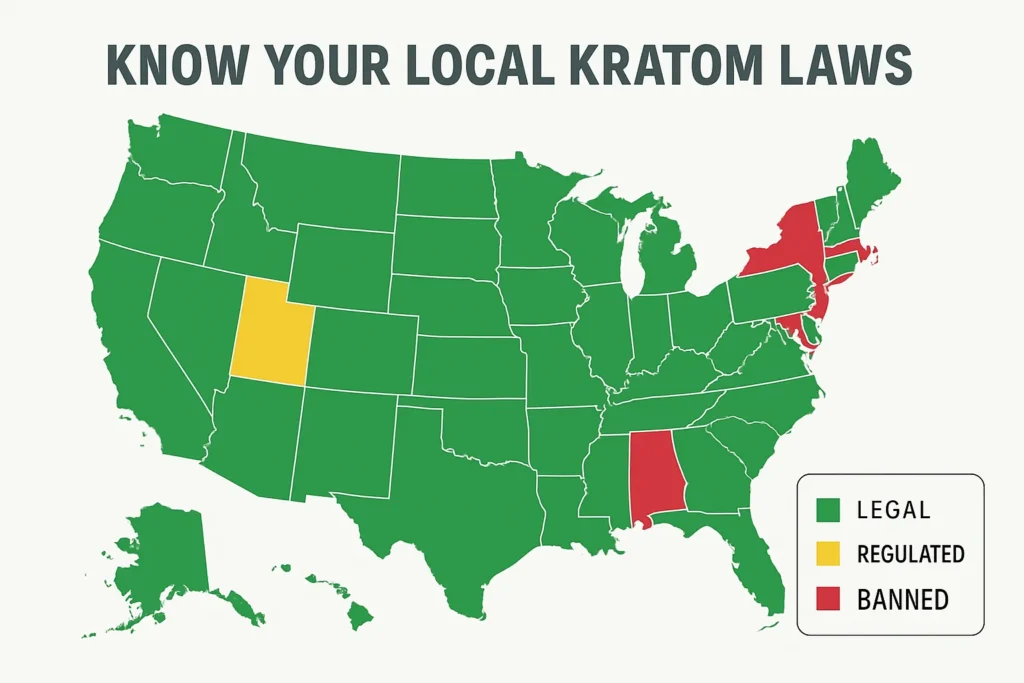
The real complexity emerges at state and local levels, where kratom’s legal status varies significantly. Some states have embraced kratom regulation through comprehensive legislation, while others have banned it entirely.
States where kratom is banned include:
- Alabama
- Arkansas
- Indiana
- Rhode Island
- Vermont
- Wisconsin
States with age restrictions or regulations:
- Florida (21+ only)
- Georgia (18+ only)
- Nevada (18+ only)
- Utah (regulated under kratom consumer protection act)
Many states have implemented or are considering Kratom Consumer Protection Acts, which establish quality standards, age restrictions, and labeling requirements while keeping the substance legal. These acts represent a middle-ground approach that acknowledges kratom use while implementing consumer safety measures.
For specific state information, resources like our guides on kratom legality in Arizona and kratom laws in Colorado provide detailed, location-specific guidance.
Can You Buy Kratom Online? The Digital Marketplace
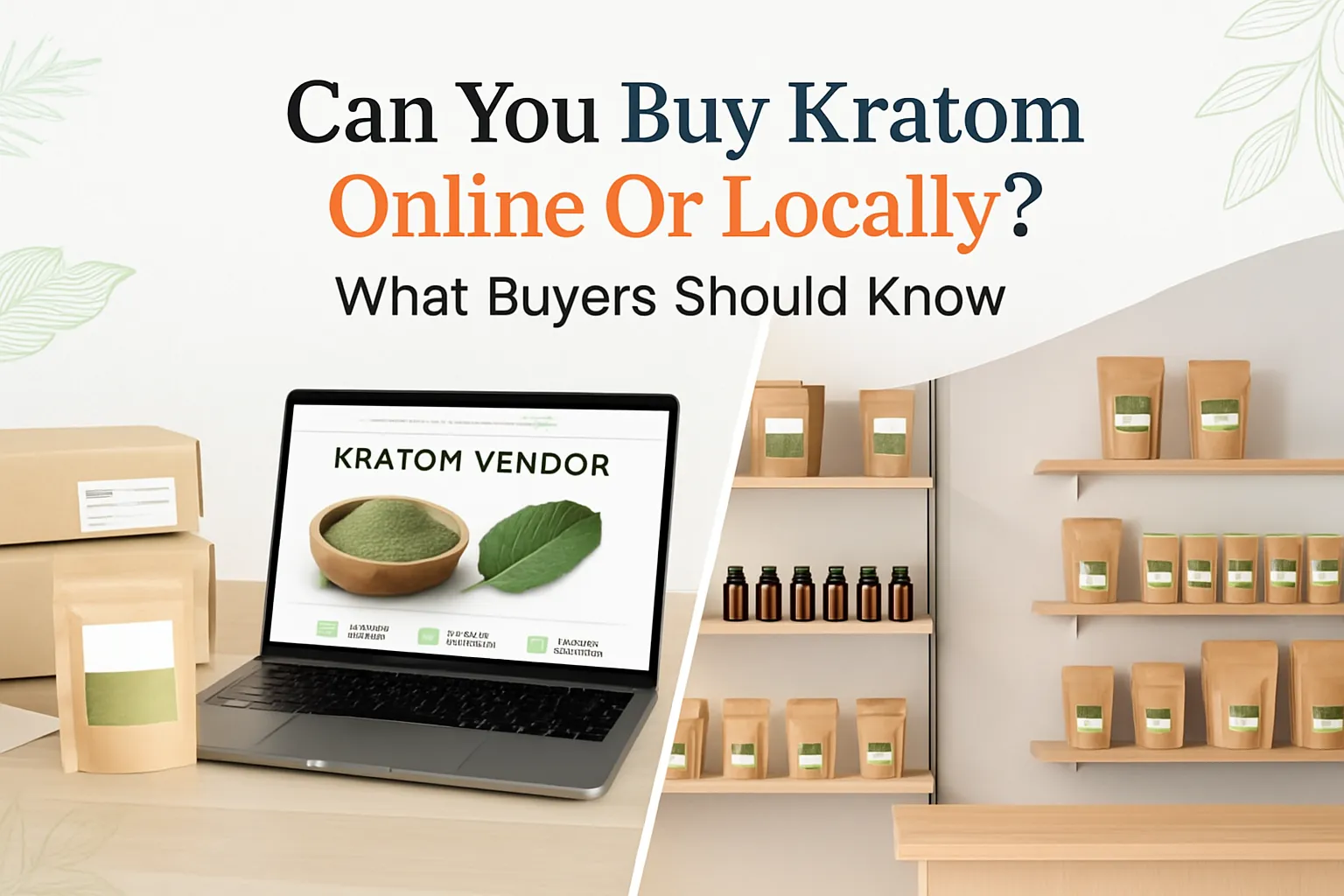
The online kratom market represents the largest and most diverse segment of kratom commerce. Yes, you can buy kratom online in most jurisdictions where it’s legal, and this purchasing method offers several distinct advantages over local retail options.
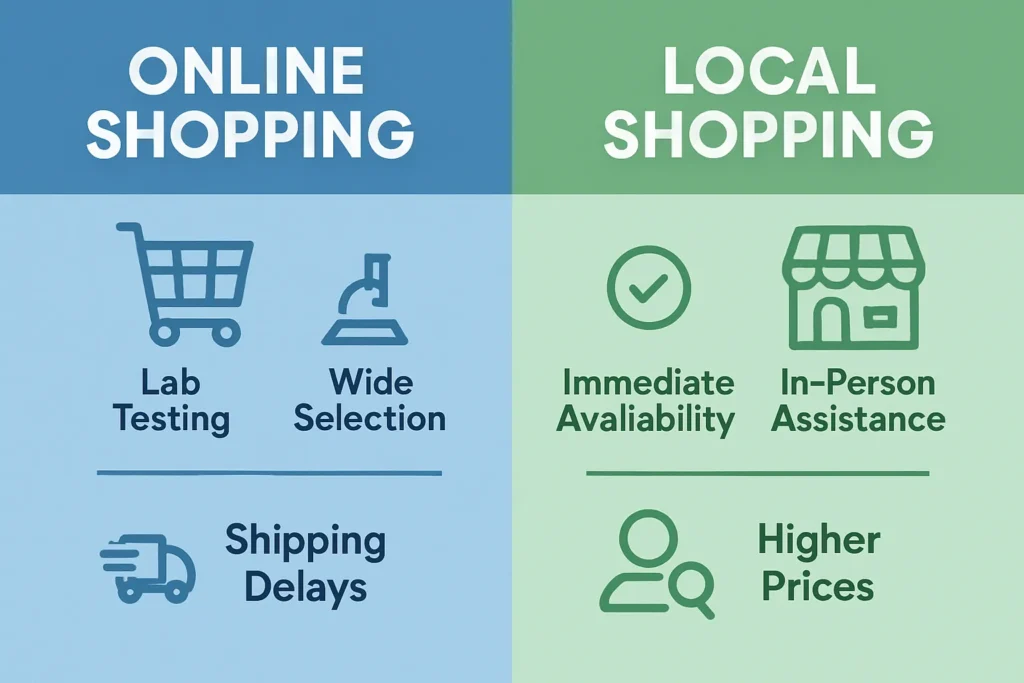
Advantages of Online Kratom Purchases
Wider Product Selection: Online vendors typically offer extensive strain varieties, including rare and specialized kratom types that local stores rarely stock. From traditional strains like Maeng Da to unique varieties like Yellow Vietnam, online retailers provide access to the full spectrum of kratom options.
Better Quality Control: Reputable online vendors invest heavily in quality assurance programs, including comprehensive third-party laboratory testing. These tests screen for:
- Heavy metals (lead, mercury, cadmium, arsenic)
- Microbial contaminants (E. coli, Salmonella, yeast, mold)
- Alkaloid content verification
- Pesticide residues
Competitive Pricing: Online retailers often offer better pricing due to lower overhead costs compared to physical stores. Bulk purchasing options, subscription discounts, and promotional pricing make online purchases more economical for regular users.
Detailed Product Information: Quality online vendors provide comprehensive product descriptions, including strain origins, alkaloid profiles, suggested serving sizes, and detailed lab reports. This transparency helps consumers make informed purchasing decisions.
Discreet Shipping: Online purchases offer privacy that local shopping cannot match. Products arrive in unmarked packages, protecting customer privacy and avoiding potential social stigma.
Choosing Reputable Online Vendors
Not all online kratom vendors maintain the same quality standards. Identifying reputable sellers requires evaluating several key factors:
Laboratory Testing Transparency: Legitimate vendors readily provide certificates of analysis (COAs) for every product batch. These documents should be easily accessible on the vendor’s website and include recent testing dates.
Clear Labeling and Compliance: Professional vendors follow FDA guidelines for dietary supplement labeling, avoiding medical claims while providing accurate product information.
Customer Reviews and Reputation: Established vendors typically have extensive customer feedback across multiple platforms. However, be wary of fake reviews and focus on detailed, authentic testimonials.
Responsive Customer Service: Quality vendors maintain professional customer service teams that can answer product questions, provide guidance, and resolve issues promptly.
Secure Payment Processing: Reputable vendors use secure payment gateways and clearly display their privacy policies and terms of service.
For detailed vendor evaluations, resources like our comprehensive kratom vendor reviews provide insights into specific retailers’ quality standards and customer experiences.
Online Shopping Safety Considerations
While online kratom shopping offers numerous benefits, consumers should remain vigilant about potential risks:
Verify Legal Status: Always confirm kratom’s legal status in your location before ordering online. Some vendors may ship to areas where kratom is prohibited, potentially creating legal complications for buyers.
Research Vendor Legitimacy: Investigate potential vendors thoroughly before making purchases. Check business registration, read independent reviews, and verify contact information.
Start with Small Orders: When trying new vendors, begin with smaller quantities to evaluate product quality and vendor reliability before making larger purchases.
Understand Return Policies: Familiarize yourself with vendor return and refund policies, as these vary significantly between retailers.
🌿 Kratom Purchase Decision Tool
Answer the questions above to get your personalized recommendation!
This tool will help you decide whether online or local kratom shopping is best for your needs.
Local Kratom Shopping: Pros and Cons
While online shopping dominates the kratom market, local retail options remain important for many consumers. Understanding where to find kratom locally and what to expect from these purchases helps buyers make informed decisions about their shopping preferences.
Where Can You Buy Kratom Locally?
Smoke Shops and Head Shops: These represent the most common local sources for kratom. Many tobacco and smoking accessory retailers have expanded their inventory to include kratom products, capitalizing on the overlap between their customer bases.
Health Food Stores: Some natural health retailers and supplement stores carry kratom products, often positioning them alongside other botanical supplements and herbal remedies.
Specialty Kratom Stores: In areas with significant kratom demand, dedicated kratom retailers have emerged, offering specialized knowledge and curated product selections.
Gas Stations and Convenience Stores: While less common, some convenience stores stock kratom products, though these sources typically offer limited selection and questionable quality.
Kava Bars and Wellness Lounges: Establishments serving kava often stock kratom products as complementary botanical offerings.
For detailed guidance on finding local options, our comprehensive guide on where to buy kratom near you provides location-specific strategies and tips.
Advantages of Local Kratom Shopping
Immediate Availability: The primary advantage of local shopping is instant gratification. Customers can purchase and consume products immediately without waiting for shipping delays.
Physical Product Inspection: Local shopping allows buyers to examine packaging, check expiration dates, and assess product appearance before purchasing.
Personal Interaction: Face-to-face interactions with store staff can provide valuable guidance, especially for new kratom users seeking advice about strains and serving sizes.
Supporting Local Business: Purchasing locally supports community businesses and contributes to the local economy.
No Shipping Concerns: Local purchases eliminate shipping-related issues such as package theft, delivery delays, or weather-related disruptions.
Disadvantages of Local Kratom Shopping
Limited Selection: Local stores typically stock only the most popular kratom strains, lacking the variety available through online retailers. Specialty strains and unique varieties are rarely available locally.
Higher Prices: Physical retailers face higher overhead costs, including rent, utilities, and staff wages, which translate into higher product prices compared to online alternatives.
Inconsistent Quality: Local stores may not maintain the same quality standards as reputable online vendors. Products may sit on shelves for extended periods, potentially degrading in quality.
Limited Testing Information: Many local retailers cannot provide detailed laboratory testing results, making it difficult for consumers to verify product purity and potency.
Staff Knowledge Gaps: Store employees may lack comprehensive kratom knowledge, potentially providing inaccurate or misleading information about products and their effects.
Inventory Inconsistency: Local stores may frequently run out of specific products, forcing customers to either wait for restocking or settle for alternative options.
Quality Considerations: What Buyers Should Know
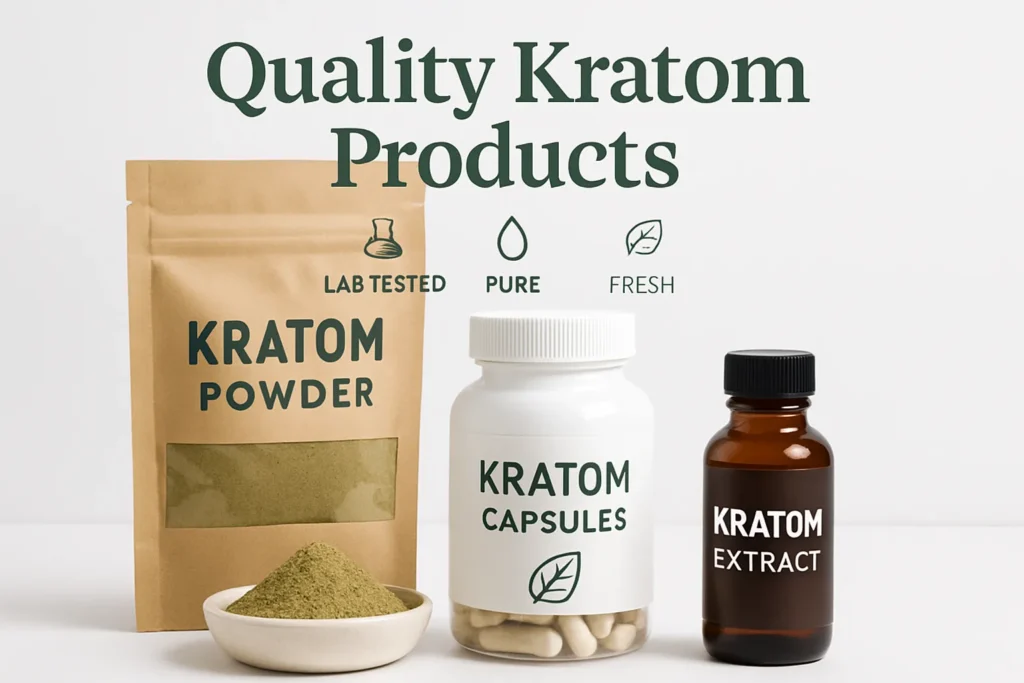
Regardless of whether you choose to buy kratom online or locally, understanding quality indicators is essential for making safe and effective purchases. Quality kratom should meet specific standards for purity, potency, and safety.
Laboratory Testing Requirements
Microbial Testing: Quality kratom undergoes testing for harmful microorganisms including:
- Escherichia coli (E. coli)
- Salmonella species
- Yeast and mold counts
- Total aerobic bacteria
Heavy Metal Analysis: Reputable vendors test for toxic heavy metals that can accumulate in kratom leaves:
- Lead
- Mercury
- Cadmium
- Arsenic
Pesticide Screening: Comprehensive testing includes screening for agricultural chemicals and pesticides that may have been used during cultivation.
Alkaloid Content Verification: Advanced testing measures the concentration of primary alkaloids (mitragynine and 7-hydroxymitragynine) to verify product potency and consistency.
Recognizing Quality Kratom Products
Proper Labeling: Quality kratom products feature clear, professional labeling that includes:
- Strain name and origin
- Net weight or quantity
- Lot number for traceability
- Manufacturing or packaging date
- Vendor contact information
Appropriate Packaging: Premium kratom comes in sealed, moisture-resistant packaging that protects the product from environmental degradation. Vacuum-sealed bags or sealed containers maintain freshness and prevent contamination.
Color and Texture Consistency: Fresh, quality kratom exhibits consistent coloration and fine, uniform texture. Discoloration, clumping, or unusual odors may indicate age or contamination.
Transparent Sourcing Information: Reputable vendors provide information about kratom origins, including the specific regions where their products are cultivated and harvested.
Red Flags to Avoid
Unrealistic Claims: Be wary of vendors making medical or therapeutic claims about kratom products. Legitimate vendors avoid such claims due to FDA regulations.
Extremely Low Prices: While competitive pricing is normal, prices significantly below market rates may indicate inferior quality or contaminated products.
Lack of Testing Documentation: Vendors who cannot or will not provide laboratory testing results should be avoided, regardless of their other qualities.
Poor Customer Reviews: Consistently negative feedback about product quality, customer service, or business practices indicates potential problems.
Unclear Return Policies: Legitimate vendors typically offer reasonable return or exchange policies for defective or unsatisfactory products.
Price Comparison: Online vs. Local
Understanding the cost differences between online and local kratom purchases helps consumers make budget-conscious decisions while maintaining quality standards.
Online Pricing Advantages
Online kratom vendors typically offer more competitive pricing due to several operational factors:
Lower Overhead Costs: Online retailers avoid expenses associated with physical storefronts, including rent, utilities, and in-store staff wages. These savings often translate into lower product prices.
Bulk Purchasing Power: Large online vendors can negotiate better wholesale prices with suppliers, enabling them to offer competitive retail pricing.
Direct-to-Consumer Sales: Online vendors often source products directly from growers or importers, eliminating middleman markups that increase local retail prices.
Volume Discounts: Many online retailers offer tiered pricing that rewards larger purchases with significant per-unit savings.
Local Pricing Considerations
Local kratom retailers face unique cost pressures that typically result in higher pricing:
Physical Store Expenses: Rent, utilities, insurance, and store maintenance create ongoing overhead costs that must be recovered through product sales.
Inventory Carrying Costs: Physical stores must maintain inventory on-hand, tying up capital and creating storage expenses.
Limited Competition: Areas with few local kratom retailers may see higher prices due to reduced competitive pressure.
Smaller Purchase Volumes: Local stores typically buy smaller quantities from wholesalers, resulting in higher per-unit costs that get passed to consumers.
Price Comparison Table
| Product Type | Online Average | Local Average | Savings Online |
|---|---|---|---|
| 1 oz (28g) powder | $8-15 | $15-25 | 30-40% |
| 4 oz (112g) powder | $25-45 | $45-75 | 35-45% |
| 100 capsules | $12-20 | $20-35 | 40-50% |
| 500 capsules | $45-75 | $80-140 | 35-45% |
Note: Prices vary significantly based on strain type, vendor reputation, and geographic location.
Hidden Costs to Consider
Shipping Expenses: Online purchases typically include shipping costs, though many vendors offer free shipping above minimum order thresholds.
Minimum Order Requirements: Some online vendors require minimum purchase amounts to qualify for free shipping or bulk discounts.
Rush Shipping Fees: Expedited shipping can significantly increase online purchase costs, sometimes exceeding local price premiums.
Local Sales Tax: Both online and local purchases may be subject to sales tax, depending on local regulations and vendor compliance.
Safety and Legal Compliance
Purchasing kratom safely requires understanding both legal compliance and product safety considerations that affect buyers regardless of their chosen purchasing method.
Legal Compliance for Buyers
Know Your Local Laws: Before making any kratom purchase, research current laws in your specific location. Legal status can vary not only between states but also between counties and municipalities within the same state.
Age Restrictions: Many jurisdictions that allow kratom sales impose age restrictions, typically requiring buyers to be 18 or 21 years old. Always verify age requirements in your area.
Possession Limits: Some regulated markets impose limits on the quantity of kratom individuals can possess. Understanding these limits helps avoid inadvertent legal violations.
Travel Considerations: If you travel frequently, research kratom laws in your destination areas. Transporting kratom to locations where it’s prohibited can create serious legal complications.
Product Safety Guidelines
Start with Small Quantities: New kratom users should begin with small purchases to assess individual tolerance and product quality before committing to larger quantities.
Store Products Properly: Kratom should be stored in cool, dry locations away from direct sunlight to maintain potency and prevent degradation.
Check Expiration Dates: Quality kratom products include packaging or expiration dates. Avoid using products that have exceeded their recommended shelf life.
Monitor for Adverse Reactions: Pay attention to how your body responds to different kratom products and discontinue use if you experience unexpected reactions.
Vendor Safety Verification
Business Registration: Legitimate kratom vendors should be properly registered businesses with verifiable contact information and physical addresses.
Professional Communications: Quality vendors maintain professional websites, clear policies, and responsive customer service teams.
Industry Compliance: Reputable vendors follow industry best practices, including proper labeling, testing protocols, and shipping procedures.
Customer Protection Policies: Look for vendors with clear return policies, privacy protections, and dispute resolution procedures.
Making the Right Choice for Your Needs
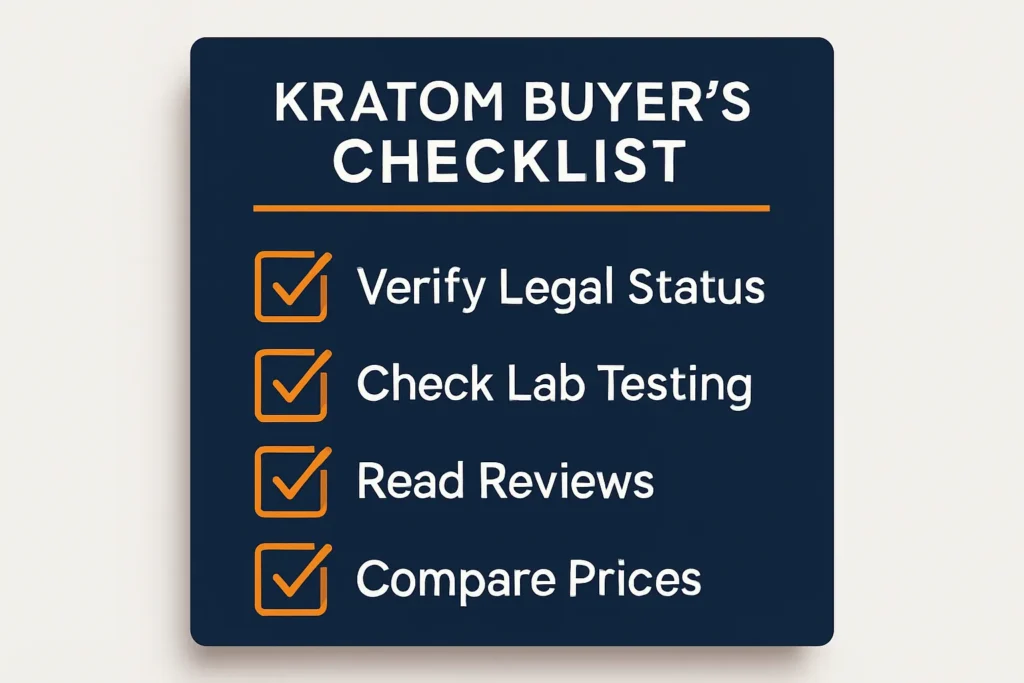
Deciding whether to buy kratom online or locally depends on individual priorities, circumstances, and preferences. Understanding how different factors align with your specific needs helps optimize your kratom purchasing experience.
When to Choose Online Shopping
Online kratom shopping works best for buyers who prioritize:
Quality and Testing: If product purity and laboratory verification are primary concerns, online vendors typically offer superior testing transparency and quality assurance.
Variety and Selection: Consumers seeking specific strains or wanting to explore different kratom varieties will find much broader selections online.
Value and Pricing: Budget-conscious buyers often find better deals online, especially when purchasing larger quantities or taking advantage of promotional pricing.
Privacy and Discretion: Online shopping provides privacy that local purchases cannot match, with discreet packaging and delivery options.
Convenience and Planning: For buyers who can plan ahead and don’t need immediate product access, online shopping offers convenience and often better customer service.
When to Choose Local Shopping
Local kratom shopping suits buyers who value:
Immediate Availability: When you need kratom products immediately, local stores provide instant access without shipping delays.
Personal Interaction: Buyers who prefer face-to-face interactions and want to ask questions directly benefit from local shopping experiences.
Product Inspection: The ability to physically examine products before purchase appeals to buyers who want to assess packaging and appearance firsthand.
Supporting Local Business: Consumers who prioritize supporting their local economy and building community relationships may prefer local retailers.
Avoiding Shipping Concerns: Buyers worried about package theft, delivery issues, or shipping delays may find local shopping more reliable.
Hybrid Approach Strategies
Many experienced kratom users employ hybrid strategies that combine online and local shopping:
Emergency Local Purchases: Maintain a preferred online vendor for regular purchases while identifying local sources for emergency situations.
Quality Comparison: Use local stores to examine products physically, then research the same brands online for potentially better pricing.
Trial and Bulk Strategy: Try new strains locally in small quantities, then purchase larger amounts online once you identify preferred products.
Seasonal Adjustments: Use local sources during busy shipping seasons (holidays) when online delivery may be delayed or unreliable.
For comprehensive guidance on kratom purchasing strategies, our detailed guide on how to buy kratom provides step-by-step instructions for both new and experienced buyers.
Kratom Buying FAQ
Kratom’s legal status varies by location. In the United States, kratom is federally legal but banned in some states and municipalities. Before purchasing, check your local and state laws. Some areas where kratom is prohibited include Alabama, Arkansas, Indiana, Rhode Island, Vermont, and Wisconsin, as well as certain cities and counties.
When purchasing kratom online, prioritize vendors who provide:
- Third-party lab testing results for purity and contaminants
- Clear product descriptions and strain information
- Good customer reviews and reputation
- Transparent business practices and contact information
- Money-back guarantees or return policies
Online kratom vendors often provide better quality control, lab testing, and product information compared to local head shops or gas stations. Reputable online vendors typically have fresher products, better storage conditions, and more detailed strain information. However, always research the vendor thoroughly before purchasing.
Kratom strains are typically categorized by vein color and origin:
- Red vein: Often associated with relaxation and pain relief
- Green vein: Considered balanced, offering moderate effects
- White vein: Known for energizing and stimulating properties
- Yellow/Gold: Usually a blend or specially processed kratom
Popular origins include Maeng Da, Bali, Thai, Malay, and Indo strains.
Kratom prices vary based on quality, strain, and quantity purchased. Generally:
- Powder: $8-15 per ounce, $25-80 per kilogram
- Capsules: $12-25 per ounce (more expensive due to processing)
- Extracts: $15-40 per ounce (higher potency products)
Buying in bulk typically reduces the per-gram cost. Be wary of prices that seem too good to be true, as they may indicate poor quality.
Due to banking restrictions, many kratom vendors have limited payment options. Common methods include:
- Credit/debit cards (when available)
- ACH bank transfers
- Cryptocurrency payments
- Money orders or checks
- Cash App, Venmo, or similar services
Always ensure the payment method is secure and the vendor is reputable before providing financial information.
Shipping times depend on the vendor’s location, your location, and shipping method chosen:
- Standard shipping: 3-7 business days
- Priority shipping: 2-3 business days
- Express shipping: 1-2 business days
Some vendors offer same-day shipping if orders are placed before a certain time. International shipping may take 1-3 weeks depending on customs processing.
Return policies vary by vendor. Many reputable kratom vendors offer:
- Money-back guarantees for unopened products
- Store credit for quality issues
- Exchange policies for damaged shipments
- 30-day return windows (varies by vendor)
Always read the vendor’s return policy before purchasing and keep products in original packaging if you might need to return them.
Conclusion
Navigating the kratom marketplace successfully requires understanding the distinct advantages and limitations of both online and local purchasing options. Can you buy kratom online or locally? The answer is yes to both, but the best choice depends on your individual priorities, circumstances, and local legal environment.
Online kratom shopping typically offers superior quality control, wider product selection, competitive pricing, and enhanced privacy. Reputable online vendors invest in comprehensive laboratory testing, maintain extensive inventories, and provide detailed product information that helps consumers make informed decisions. For buyers prioritizing quality, variety, and value, online purchasing generally provides the optimal experience.
Local kratom shopping serves buyers who need immediate product access, prefer face-to-face interactions, or want to physically inspect products before purchasing. While local options may have limited selection and higher prices, they offer instant gratification and personal service that online shopping cannot match.
Regardless of your chosen purchasing method, prioritize vendors who demonstrate commitment to quality through laboratory testing, transparent business practices, and responsive customer service. Always verify kratom’s legal status in your location before making purchases, and start with small quantities when trying new vendors or products.
The kratom industry continues evolving, with increasing emphasis on quality standardization, regulatory compliance, and consumer safety. By staying informed about these developments and maintaining focus on quality and safety, buyers can navigate this complex marketplace successfully while accessing high-quality kratom products that meet their specific needs.
Daniel Brooks
Daniel Brooks is a U.S. based botanical writer with over six years of hands on experience in kratom focused content. He studies kratom strains, sourcing standards, dosage patterns, and consumer safety topics. He stays up to date with current news, regulatory changes, and market trends related to kratom and botanical products.
His work includes educational guides, strain breakdowns, and vendor reviews written for everyday users. He avoids promotional language and presents clear facts. Daniel helps readers understand both benefits and risks so they can make informed choices about responsible kratom use.