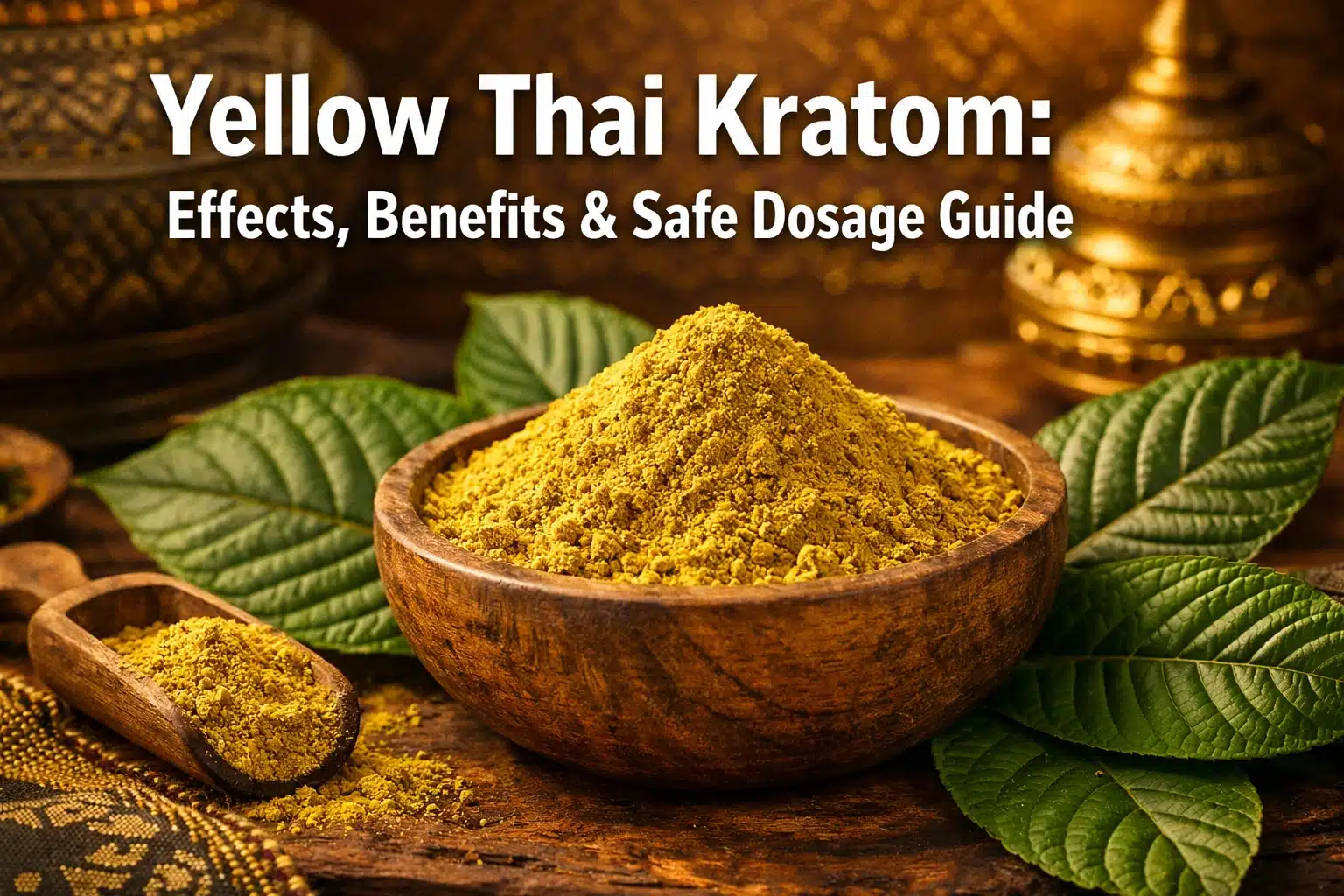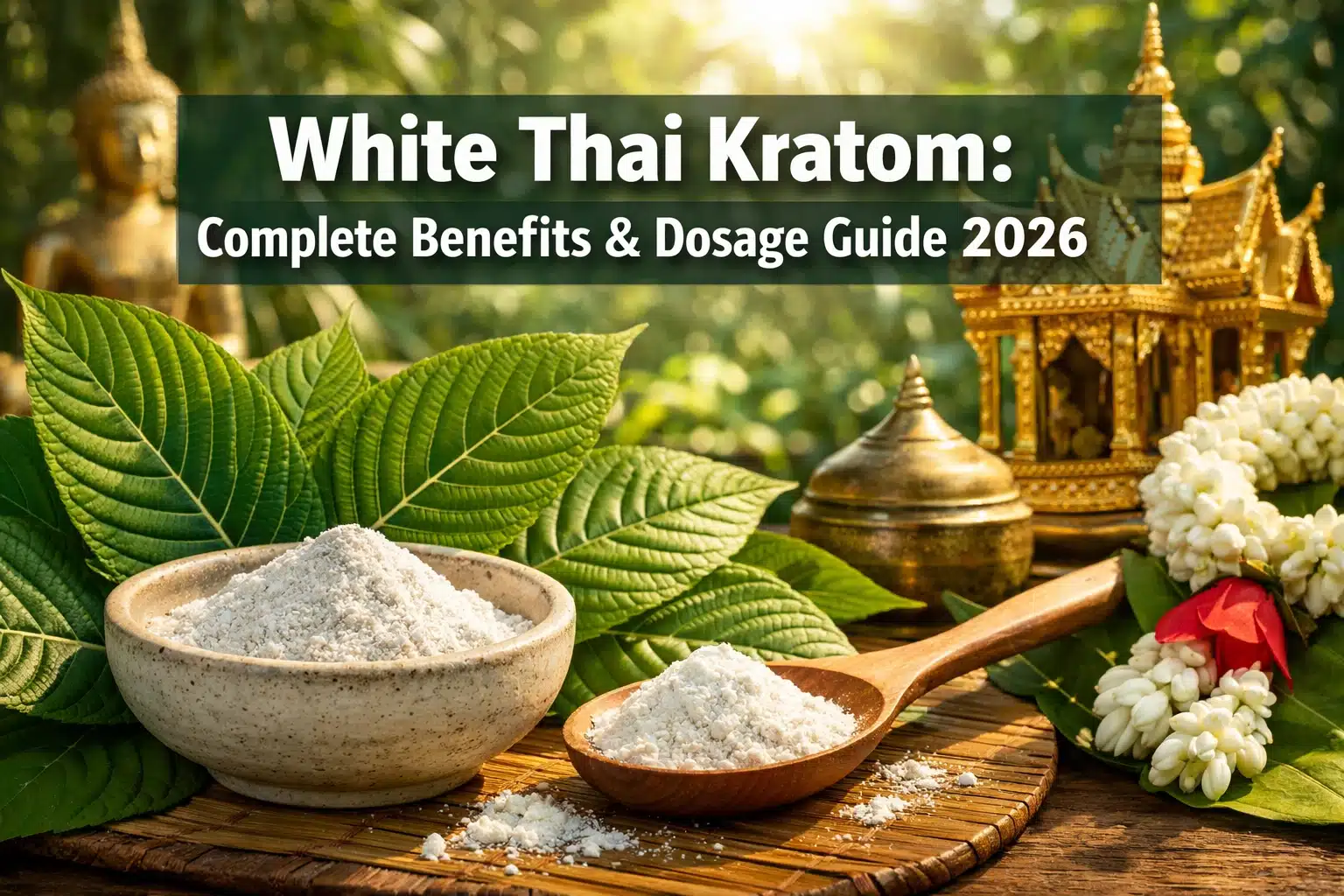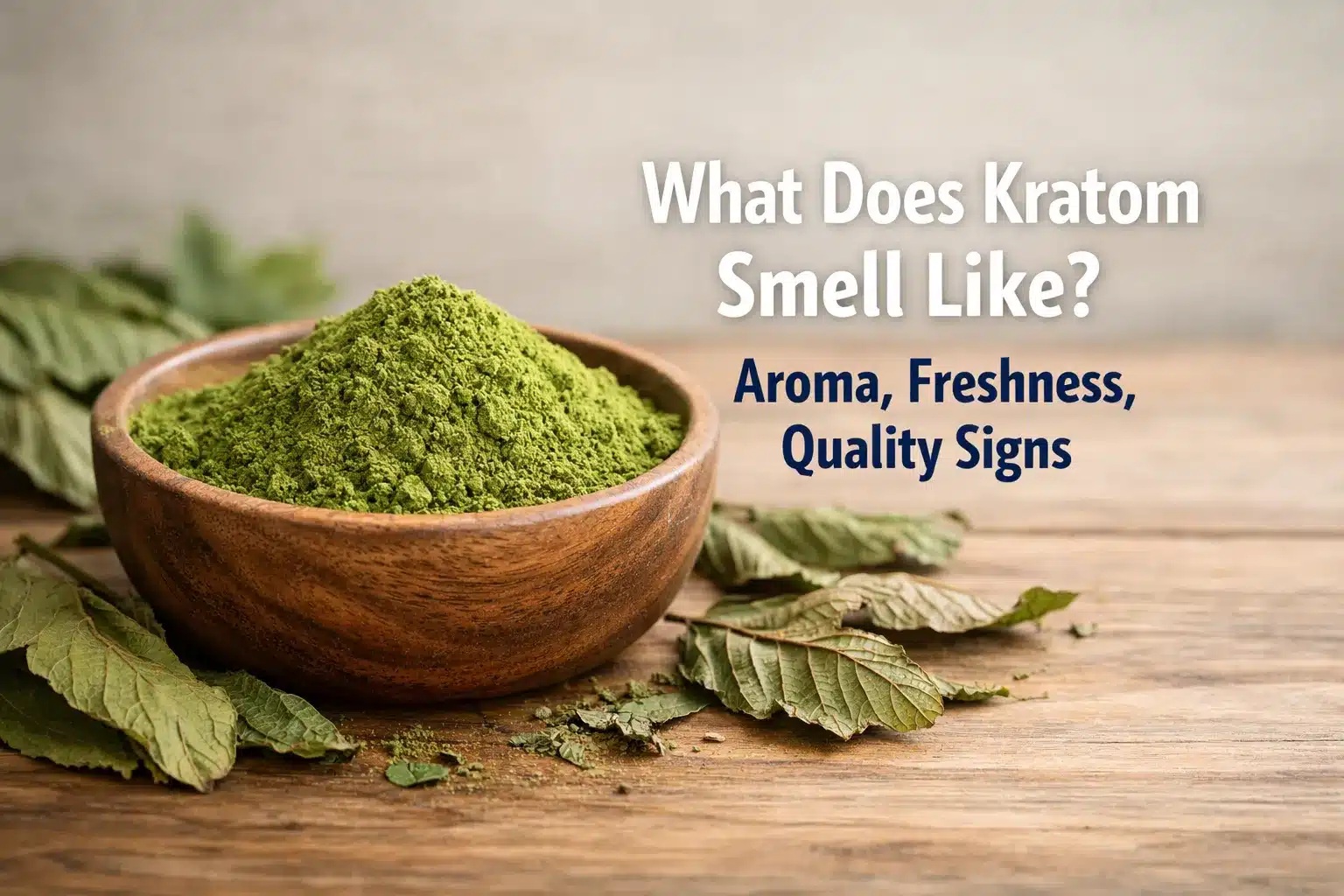
The world of kratom continues to evolve with fascinating discoveries, and among the most intriguing developments is the emergence of Yellow Horn Kratom as a distinctive strain that challenges traditional kratom classifications. This unique variety combines the rare horn-shaped leaf structure with specialized processing techniques that create a one-of-a-kind botanical experience, setting it apart from conventional red, white, and green kratom varieties.
Yellow Horn Kratom represents a fascinating intersection of genetics and processing artistry within the kratom community. Unlike standard kratom strains that derive their names primarily from vein color, Yellow Horn Kratom gets its designation from two distinct characteristics: the unusual horn-shaped leaves of the source tree and the specialized drying and fermentation process that creates its signature yellow appearance.
Origins and Cultivation
The cultivation of Yellow Horn Kratom requires specific environmental conditions and careful attention to harvesting timing. The horn-leaf trees are predominantly found in mature forest areas of Indonesia and Malaysia, where they grow naturally among traditional kratom populations. Local farmers have recognized these unique trees for generations, often treating them as special specimens within their kratom gardens.
The rarity of horn-shaped leaves means that Yellow Horn Kratom production is naturally limited. A single horn-leaf tree might yield significantly less material than standard kratom trees, contributing to the strain’s exclusivity and higher market value. This scarcity, combined with the specialized processing requirements, makes Yellow Horn Kratom one of the more premium options available to kratom enthusiasts.
The Science Behind Yellow Kratom Processing
The transformation from green horn leaves to Yellow Horn Kratom involves a sophisticated process that significantly alters the plant’s alkaloid composition. This yellowing process typically includes extended drying periods, controlled exposure to sunlight, and sometimes fermentation techniques that break down certain alkaloids while preserving or enhancing others.
During the yellowing process, the primary alkaloids mitragynine and 7-hydroxymitragynine undergo chemical changes that can modify their effects. The extended drying time allows for partial oxidation and degradation of some compounds while concentrating others. This process is similar to what occurs in red vein kratom processing but with specific timing and environmental controls that create the characteristic yellow appearance.
Alkaloid Profile Characteristics
Yellow Horn Kratom typically exhibits a balanced alkaloid profile that sits between the energizing properties of white strains and the relaxing qualities of red varieties. The unique processing method creates a strain with moderate levels of mitragynine combined with other alkaloids that contribute to its distinctive effects profile.
Research suggests that the yellowing process may increase certain minor alkaloids while slightly reducing others, creating a more complex alkaloid matrix than found in traditional green or white strains. This complexity is thought to contribute to the well-rounded effects that many users report with Yellow Horn Kratom.
Effects and Benefits of Yellow Horn Kratom

Users of Yellow Horn Kratom frequently report a balanced experience that combines elements typically associated with different kratom categories. The effects are generally described as moderate and well-rounded, making this strain appealing to both newcomers and experienced kratom users seeking a middle-ground option.
Primary Effects Profile
The most commonly reported effects of Yellow Horn Kratom include:
- Balanced Energy: Unlike the intense stimulation of white strains or the sedating effects of red varieties, Yellow Horn provides gentle, sustained energy that doesn’t typically cause jitters or anxiety
- Mood Enhancement: Many users report improved mood and a sense of well-being without the euphoria sometimes associated with other strains
- Mild Pain Relief: While not as potent as red strains for pain management, Yellow Horn offers moderate analgesic properties
- Mental Clarity: Users often describe improved focus and mental clarity without the intense stimulation of white varieties
- Relaxation Without Sedation: The strain provides calming effects while maintaining alertness and functionality
Duration and Onset
Yellow Horn Kratom typically has a moderate onset time, with effects beginning within 30-45 minutes of consumption. The duration of effects usually ranges from 4-6 hours, depending on individual factors such as body weight, tolerance, and dosage. Many users appreciate this moderate duration as it provides substantial benefits without the extended commitment of longer-lasting strains.
The effects curve of Yellow Horn Kratom is generally described as smooth, with a gradual onset, steady peak, and gentle decline. This characteristic makes it suitable for daytime use when sustained, moderate effects are desired without significant impairment or overstimulation.
Yellow Horn Kratom Dosage Calculator
Find your optimal dosage based on experience and goals
Dosage Guidelines and Considerations
Determining the appropriate dosage for Yellow Horn Kratom requires careful consideration of individual factors and desired effects. As with all kratom varieties, starting with lower doses and gradually adjusting based on response is the recommended approach.
Recommended Dosage Ranges
- Low Dose (1-3 grams): Typically provides mild mood enhancement and subtle energy boost
- Moderate Dose (3-5 grams): Offers balanced effects with noticeable mood improvement and moderate energy
- Higher Dose (5-7 grams): May provide stronger relaxation and pain relief effects
- High Dose (7+ grams): Generally not recommended due to increased risk of adverse effects
New users should begin with 1-2 grams to assess individual sensitivity and response. The balanced nature of Yellow Horn Kratom makes it somewhat forgiving for dosage experimentation, but responsible use practices should always be followed.
Timing and Frequency
Yellow Horn Kratom can be used at various times throughout the day, depending on desired effects and individual schedules. Many users find it suitable for morning or afternoon use when balanced energy and mood enhancement are desired. The moderate nature of its effects makes it less likely to interfere with sleep when used earlier in the day.
For those incorporating Yellow Horn Kratom into their routine, maintaining appropriate spacing between doses and avoiding daily use can help prevent tolerance development and maintain effectiveness.
Unique Applications and Use Cases

The balanced profile of Yellow Horn Kratom makes it suitable for various applications and user preferences. Its moderate effects profile allows for versatility in how and when it can be incorporated into different lifestyles and routines.
Professional and Academic Settings
Many users find Yellow Horn Kratom suitable for professional environments where mild enhancement of focus and mood is desired without obvious impairment or overstimulation. The strain's ability to provide mental clarity while maintaining a calm demeanor makes it appealing for work situations that require both concentration and interpersonal interaction.
Students and professionals dealing with moderate stress levels often appreciate the balanced effects that can help manage daily pressures without interfering with cognitive performance or professional responsibilities.
Social and Recreational Use
The mood-enhancing properties of Yellow Horn Kratom make it popular for social situations where users want to feel more relaxed and sociable without the intensity of other strains. Its moderate effects allow for normal social interaction while providing subtle mood and energy benefits.
For recreational activities that require both mental engagement and physical comfort, such as hiking, creative pursuits, or social gatherings, Yellow Horn Kratom offers an appropriate level of enhancement without overwhelming effects.
Transition and Rotation Strain
Experienced kratom users often incorporate Yellow Horn Kratom into rotation schedules as a transition strain between more intense varieties. Its moderate alkaloid profile can help prevent tolerance buildup to stronger strains while still providing beneficial effects.
The strain serves as an excellent option for users looking to reduce their tolerance to red or white strains while maintaining some kratom benefits. This makes it valuable for tolerance management and sustainable kratom use practices.
Comparison with Other Kratom Varieties
Understanding how Yellow Horn Kratom compares to other popular strains helps users make informed decisions about which varieties best suit their needs and preferences.
Yellow Horn vs. Green Strains
While both Yellow Horn Kratom and green strains offer balanced effects, there are notable differences:
| Characteristic | Yellow Horn | Green Strains |
|---|---|---|
| Energy Level | Moderate, sustained | Variable, often more intense |
| Pain Relief | Mild to moderate | Moderate |
| Duration | 4-6 hours | 3-5 hours |
| Mood Enhancement | Consistent, gentle | Variable by strain |
| Availability | Limited, premium | Widely available |
Yellow Horn vs. Other Yellow Strains
Yellow Horn Kratom shares the yellowing process with other yellow varieties but differs significantly due to the horn-leaf genetics:
- Alkaloid Complexity: Horn genetics contribute additional alkaloids not found in standard yellow strains
- Effects Profile: Generally more balanced and consistent than other yellow varieties
- Rarity: Significantly more limited in availability
- Price Point: Typically commands premium pricing due to scarcity
Unique Positioning in the Kratom Spectrum
Yellow Horn Kratom occupies a unique position in the kratom spectrum, offering characteristics that don't fit neatly into traditional red, white, or green classifications. This positioning makes it particularly valuable for users seeking:
- An introduction to kratom without intense effects
- A rotation strain for tolerance management
- Balanced effects for versatile use
- Premium kratom experience with unique characteristics
Quality Considerations and Sourcing

The rarity and specialized processing of Yellow Horn Kratom make quality considerations particularly important. Not all vendors have access to authentic horn-leaf material, and the complex processing requirements mean that quality can vary significantly between sources.
Identifying Quality Yellow Horn Kratom
High-quality Yellow Horn Kratom should exhibit several characteristics:
- Consistent yellow-gold coloration without brown or green patches
- Fine, uniform powder texture indicating proper processing
- Mild, pleasant aroma without harsh or unpleasant odors
- Smooth effects profile without unexpected intensity or duration variations
Vendor Selection Criteria
When sourcing Yellow Horn Kratom, consider vendors who:
- Provide detailed information about sourcing and processing methods
- Offer lab testing results for purity and alkaloid content
- Have established relationships with Southeast Asian suppliers
- Maintain consistent quality across batches
- Provide transparent information about harvest dates and processing techniques
For those interested in exploring premium kratom varieties, browsing quality kratom powders from reputable kratom vendors can help ensure access to authentic products.
Safety and Responsible Use
As with all kratom varieties, responsible use of Yellow Horn Kratom involves understanding potential risks, interactions, and best practices for safe consumption.
General Safety Guidelines
- Start with low doses to assess individual sensitivity
- Avoid mixing with alcohol or other substances
- Stay hydrated and maintain proper nutrition
- Monitor for any adverse reactions or tolerance development
- Consult healthcare providers if taking medications or having health conditions
Potential Side Effects
While Yellow Horn Kratom is generally well-tolerated, potential side effects may include:
- Nausea or stomach discomfort (usually dose-related)
- Dizziness or lightheadedness
- Dry mouth or increased thirst
- Constipation with regular use
- Headaches (often related to dehydration)
Most side effects can be minimized through proper dosing, hydration, and responsible use practices.
Long-term Considerations
Regular use of any kratom variety, including Yellow Horn Kratom, may lead to tolerance development and potential dependence. Users should:
- Implement regular breaks from kratom use
- Rotate between different strains to prevent tolerance
- Monitor their usage patterns and effects
- Seek professional guidance if experiencing concerning symptoms
For questions about safe kratom use or product selection, users can contact knowledgeable vendors for guidance and support.

Legal Status and Regulatory Considerations
The legal status of kratom, including Yellow Horn Kratom, varies by jurisdiction and continues to evolve as regulatory bodies assess the plant's safety and potential benefits. Users should stay informed about local and federal regulations affecting kratom possession and use.
Current Legal Landscape
In the United States, kratom remains legal at the federal level but is regulated or banned in several states and municipalities. The FDA has not approved kratom for any medical use, and the DEA has considered various regulatory actions over the years.
Staying Informed
Users should regularly check local regulations and stay informed about potential changes in kratom's legal status. Professional kratom vendors typically provide updates on legal developments and can offer guidance on compliance with local laws.
For the most current information about kratom regulations and compliance, users can access frequently asked questions from reputable vendors or consult legal resources in their area.
Frequently Asked Questions - Yellow Horn Kratom
What is Yellow Horn Kratom?
Yellow Horn Kratom is a blended kratom variety made by processing and mixing leaves from different vein types. The yellow tone comes from drying and fermentation methods rather than a natural leaf color. Many vendors use the name Yellow Horn to describe a smooth and balanced profile.
How is Yellow Horn Kratom made?
Yellow Horn Kratom is produced through controlled drying and blending steps that change the leaf color and alkaloid balance. Common steps include:
- Harvesting mature kratom leaves
- Allowing partial fermentation
- Slow drying under shade or sunlight
- Blending green and white vein powders
What does Yellow Horn Kratom mean?
The term Yellow Horn does not refer to a kratom tree type or vein color. It is a trade name used by some suppliers to describe a yellowish blend created through special drying and mixing methods. The name Horn often suggests a stronger leaf shape but it varies by vendor.
Is Yellow Horn Kratom different from yellow vein kratom?
Yellow Horn Kratom and yellow vein kratom are often used as the same thing but they are not always identical. Yellow Horn usually refers to a specific blend and process. Yellow vein is a general category. Both depend on drying and mixing rather than a natural yellow leaf.
What effects do users usually report from Yellow Horn Kratom?
Reports vary by person and batch but many users describe Yellow Horn as balanced. Commonly mentioned effects include:
- Mild energy without strong stimulation
- Light relaxation
- Clear headed feeling
- Moderate mood lift
How long does Yellow Horn Kratom take to feel?
Most people report noticing effects within 30 to 60 minutes after use. Timing depends on body weight, metabolism, and whether it is taken on an empty stomach. Powder, capsules, and tea can all absorb at slightly different speeds.
How does Yellow Horn Kratom compare to green and white strains?
Yellow Horn is often described as sitting between green and white strains. Compared to them it usually offers:
- Less stimulation than white vein
- Less sedation than some green strains
- A smoother and more even profile
Does Yellow Horn Kratom have a strong taste?
The taste of Yellow Horn Kratom is similar to other kratom powders. It is earthy and bitter. Some people find it slightly milder due to the fermentation process. Mixing it with juice, tea, or water is common to make it easier to consume.
Is Yellow Horn Kratom legal in most places?
Kratom laws depend on country, state, and local rules. Yellow Horn Kratom follows the same legal status as other kratom products. Some regions allow it while others restrict or ban it. Always check local regulations before buying or possessing any kratom product.
How should Yellow Horn Kratom be stored?
Proper storage helps keep Yellow Horn Kratom fresh and stable. Best practices include:
- Keep it in a sealed container
- Store away from light
- Avoid heat and moisture
- Use clean scoops or hands
Conclusion
Yellow Horn Kratom represents a fascinating evolution in the world of kratom, combining rare genetics with specialized processing to create a truly unique botanical experience. Its balanced effects profile, moderate potency, and distinctive characteristics make it an appealing option for both newcomers and experienced kratom users seeking something different from traditional strain categories.
The strain's ability to provide gentle energy, mood enhancement, and mild pain relief without the intensity of other varieties positions it as an excellent choice for versatile, daily use applications. While its rarity and premium pricing may limit accessibility, those who have the opportunity to experience Yellow Horn Kratom often find it a valuable addition to their kratom repertoire.
As the kratom industry continues to evolve, strains like Yellow Horn Kratom demonstrate the potential for innovation and specialization within traditional botanical practices. Whether used as a standalone option or incorporated into rotation schedules, this unique strain offers a distinctive perspective on what kratom can provide.
For those considering Yellow Horn Kratom, starting with small quantities from reputable vendors, beginning with conservative doses, and maintaining responsible use practices will help ensure a positive experience with this remarkable strain. As with all kratom varieties, individual responses may vary, making personal experimentation and careful observation essential for optimal results.
The future of Yellow Horn Kratom looks promising as cultivation techniques improve and more sources become available. However, its inherent rarity due to the genetic requirements will likely ensure it remains a premium option for kratom enthusiasts seeking unique and high-quality experiences.
Daniel Brooks
Daniel Brooks is a U.S. based botanical writer with over six years of hands on experience in kratom focused content. He studies kratom strains, sourcing standards, dosage patterns, and consumer safety topics. He stays up to date with current news, regulatory changes, and market trends related to kratom and botanical products.
His work includes educational guides, strain breakdowns, and vendor reviews written for everyday users. He avoids promotional language and presents clear facts. Daniel helps readers understand both benefits and risks so they can make informed choices about responsible kratom use.