

Have you ever wondered why your kratom seems to work instantly one day but takes hours the next? If you are asking how long for kratom to kick in, the answer depends on more than patience. Timing comes from a mix of biology, kratom chemistry, dosage, and your body. These factors can change your experience fast. When you understand how long for kratom to kick in and what affects it, you avoid wasted time and get more consistent results.
- Standard onset time: Kratom typically takes 15-45 minutes to kick in, with peak effects occurring 1-2 hours after consumption
- Multiple factors influence timing: Empty stomach, strain type, dosage, and individual metabolism all affect how quickly kratom works
- Consumption method matters: Powder on empty stomach works fastest, while capsules and food consumption slow absorption
- Individual variation is significant: Body weight, tolerance, and genetic factors create unique timing patterns for each person
- Proper timing strategies: Taking kratom 2-3 hours after meals and staying hydrated can optimize onset times
Understanding Kratom Absorption: The Science Behind the Timeline
The journey of kratom from consumption to effect involves several biological processes that determine how long kratom takes to kick in. When kratom enters the digestive system, the active alkaloids—primarily mitragynine and 7-hydroxymitragynine—must be absorbed through the intestinal walls before entering the bloodstream.
The Absorption Process
Kratom’s alkaloids are absorbed primarily in the small intestine through a process called passive diffusion. Unlike some substances that require specific transport mechanisms, kratom’s alkaloids move across cell membranes based on concentration gradients. This process typically begins within 15-30 minutes of consumption, though several factors can accelerate or delay this timeline.
The liver plays a crucial role in metabolizing kratom’s alkaloids once they enter the bloodstream. This first-pass metabolism can affect both the intensity and duration of effects, explaining why some users experience varying results even with consistent dosing.
Factors Affecting Absorption Speed
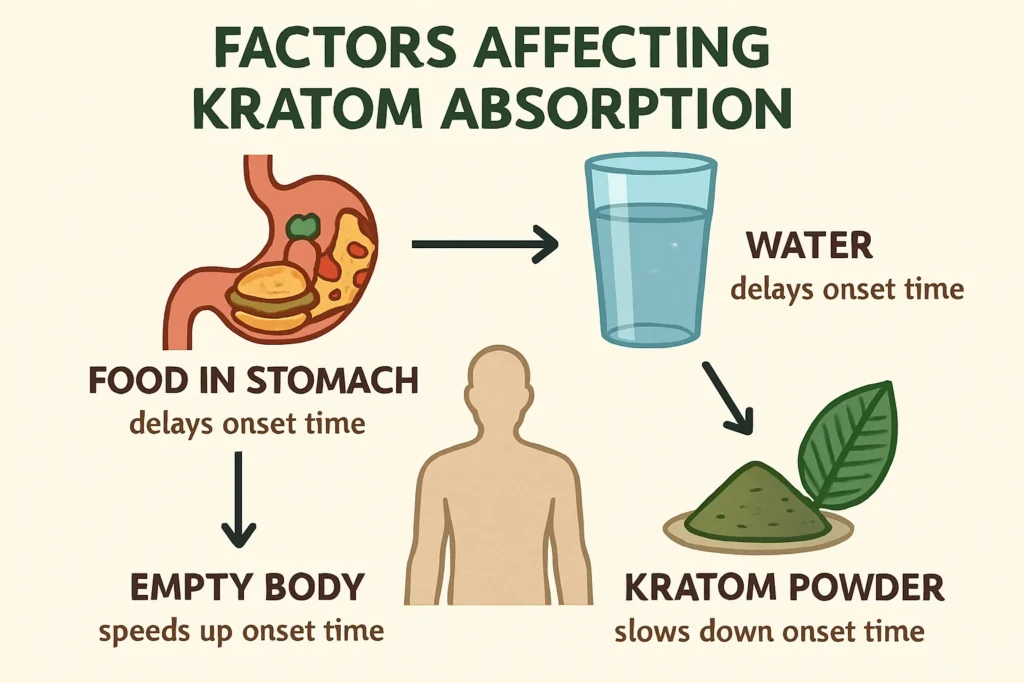
Stomach Contents: An empty stomach allows for faster absorption, as there’s less competition for digestive resources. Food, particularly fatty meals, can significantly delay kratom’s onset by 30-60 minutes or more.
pH Levels: The acidity of the stomach environment affects alkaloid solubility. Some users report enhanced effects when consuming kratom with acidic substances like citrus juice, though scientific evidence for this practice remains limited.
Gastrointestinal Health: Individuals with healthy digestive systems typically experience more predictable absorption patterns compared to those with digestive issues or slower metabolisms.
How Long For Kratom To Kick In: Timeline Breakdown
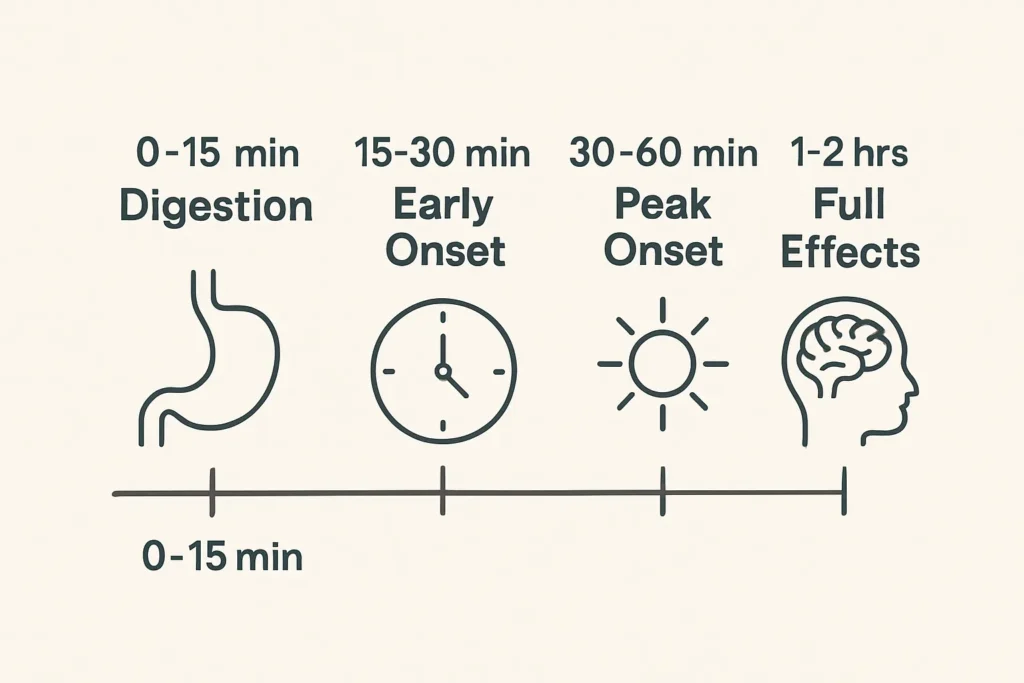
Understanding the typical timeline for kratom effects helps users plan their consumption and set appropriate expectations. The onset and progression of kratom effects generally follow a predictable pattern, though individual variation is common.
Immediate Phase (0-15 Minutes)
During the first 15 minutes after consumption, kratom is primarily traveling through the digestive system. Most users won’t feel any effects during this period, though some particularly sensitive individuals might notice subtle changes in mood or energy levels.
Early Onset (15-30 Minutes)
This is when most users begin to notice the first signs that kratom is taking effect. Initial sensations often include:
- Mild mood elevation
- Subtle energy changes
- Beginning of relaxation (for sedating strains)
- Slight changes in focus or alertness
Peak Onset (30-60 Minutes)
The majority of kratom’s effects become apparent during this window. Users typically experience:
- Full mood enhancement
- Maximum energy boost (for stimulating strains)
- Significant relaxation (for sedating strains)
- Pain relief (if applicable)
- Enhanced focus and clarity
Peak Effects (1-2 Hours)
Kratom reaches its maximum effectiveness during this period. All intended effects should be clearly noticeable, and this represents the optimal window for kratom’s benefits.
Gradual Decline (2-6 Hours)
Effects begin to taper off gradually, with most users returning to baseline within 4-6 hours of initial consumption.
Factors That Influence Kratom Onset Time
Multiple variables affect how long kratom takes to kick in, creating unique experiences for different users. Understanding these factors helps optimize timing and effectiveness.
Individual Biological Factors
Body Weight and Composition: Larger individuals often require more time for kratom to take effect due to increased blood volume and tissue distribution. Body fat percentage can also influence absorption rates, as kratom’s alkaloids are somewhat lipophilic.
Metabolism Rate: Fast metabolizers may experience quicker onset times but shorter duration, while slow metabolizers might wait longer for effects but enjoy extended benefits.
Age and Health Status: Younger individuals typically experience faster absorption, while age-related changes in metabolism and digestive function can extend onset times.
Consumption-Related Factors
Dosage Amount: Larger doses don’t necessarily kick in faster, but they may create more noticeable initial effects. Very small doses might take longer to become apparent.
Strain Selection: Different kratom strains have varying alkaloid profiles that can affect absorption rates. Fast-acting strains are often preferred by users seeking quick onset times.
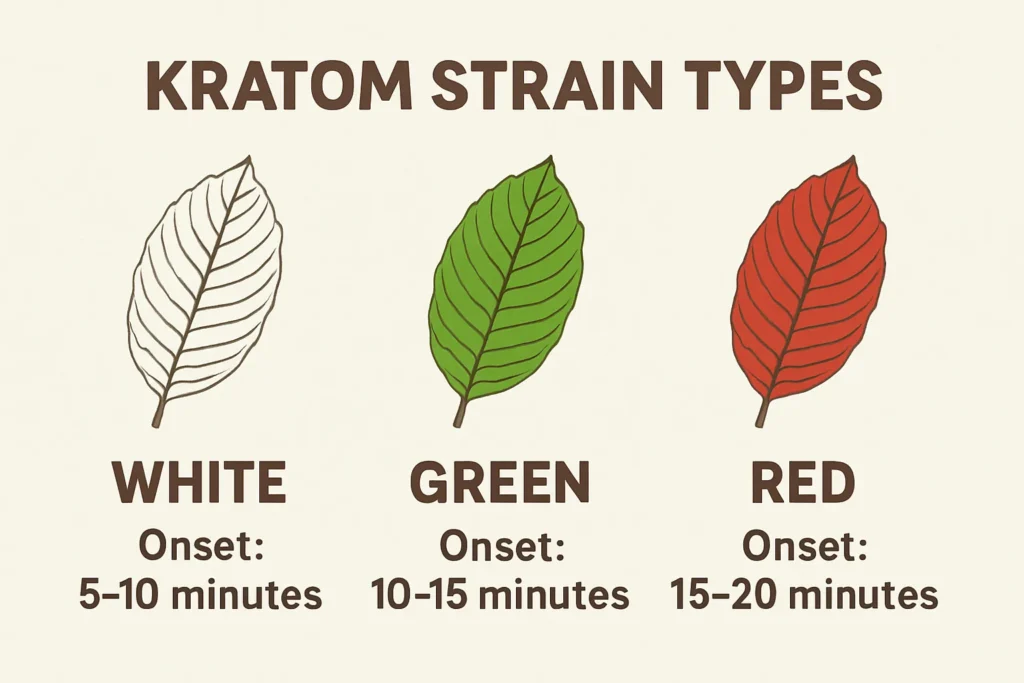
Preparation Method: How kratom is prepared significantly impacts absorption speed:
| Method | Typical Onset Time | Absorption Rate |
|---|---|---|
| Powder (empty stomach) | 15-30 minutes | Fastest |
| Powder (with food) | 45-90 minutes | Moderate |
| Capsules (empty stomach) | 30-45 minutes | Moderate |
| Capsules (with food) | 60-120 minutes | Slowest |
| Tea/Liquid | 15-25 minutes | Very Fast |
Environmental and Lifestyle Factors
Hydration Status: Proper hydration supports optimal digestion and absorption. Dehydration can slow the process and reduce effectiveness.
Recent Food Intake: Timing kratom consumption relative to meals dramatically affects onset times. The type of food consumed also matters—high-fat meals create longer delays than light, easily digestible foods.
Tolerance Levels: Regular users may experience delayed onset times as their bodies adapt to kratom’s presence. This phenomenon often necessitates tolerance management strategies.
Kratom Strains and Their Onset Characteristics
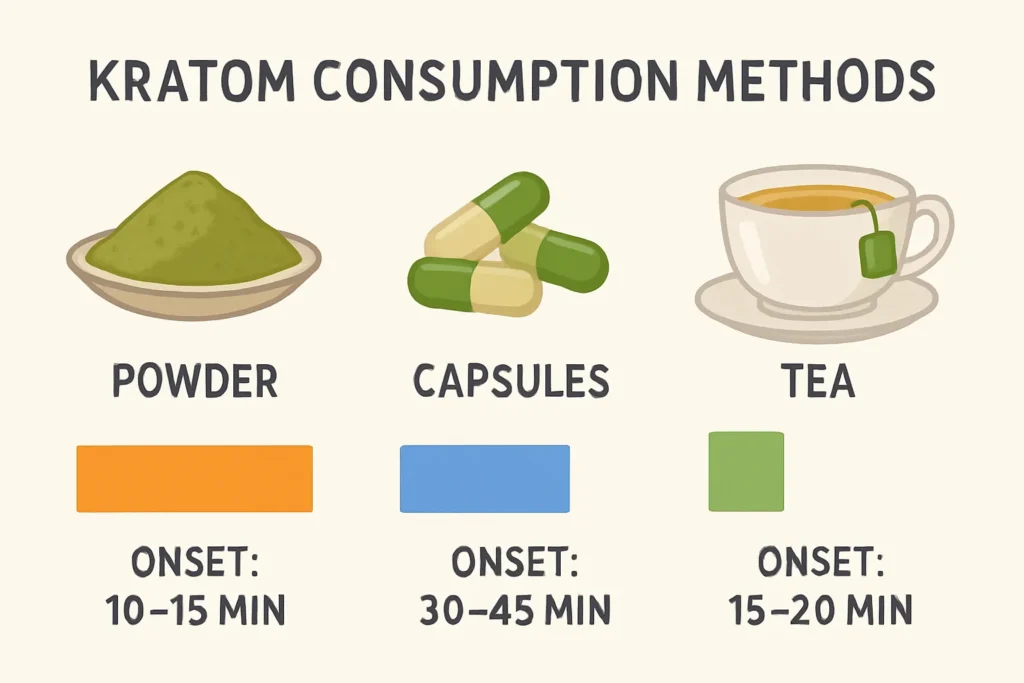
Different kratom strains exhibit varying onset patterns due to their unique alkaloid profiles. Understanding these differences helps users select appropriate strains based on their timing needs.
Fast-Acting Strains
White Vein Varieties: Generally known for quick onset times, white vein kratom often produces noticeable effects within 15-25 minutes. These strains are popular among users who need rapid energy and focus enhancement.
Green Malay: Despite being a green strain, Green Malay is renowned for its relatively quick onset and balanced effects profile.
Thai Strains: Traditional Thai kratom varieties often provide fast-acting stimulation, making them suitable for morning use or when quick energy is needed.
Moderate Onset Strains
Red Bali: One of the most popular kratom strains, Red Bali typically takes 25-40 minutes to reach full effect, offering a good balance between onset speed and effect duration.
Green Borneo: This strain provides moderate onset times with well-rounded effects, making it suitable for various purposes.
Slower-Acting Strains
Red Borneo: Known for potent sedating effects, Red Borneo often takes 30-50 minutes to reach full effectiveness, but the wait is typically worthwhile for its strong relaxation properties.
Specialty Blends: Some vendor-specific blends may have extended onset times due to their complex alkaloid combinations.
When selecting strains, consider both onset time preferences and intended effects. High-quality vendors typically provide detailed information about each strain’s characteristics, including typical onset patterns.
Optimizing Kratom Absorption for Faster Effects
Users seeking to minimize the time it takes for kratom to kick in can employ several strategies to enhance absorption and accelerate onset times.
Pre-Consumption Preparation
Timing Your Last Meal: The most effective strategy involves consuming kratom on an empty stomach, typically 2-3 hours after eating. This allows sufficient time for food to clear the stomach while avoiding uncomfortable hunger pangs.
Hydration Protocol: Drinking adequate water 30-60 minutes before kratom consumption supports optimal digestive function. However, avoid excessive water intake immediately before taking kratom, as this can dilute stomach acid and potentially slow absorption.
Physical Activity: Light exercise or movement 15-20 minutes before consumption can stimulate digestive processes and promote faster absorption.
Consumption Techniques
Powder Preparation: Using finely ground kratom powder rather than coarse material increases surface area and promotes faster dissolution. Some users prefer the “toss and wash” method for immediate contact with digestive enzymes.
Acidic Enhancement: While scientific evidence is limited, many users report faster onset when consuming kratom with acidic beverages like grapefruit juice or lemon water. The theory suggests that acidity helps break down plant material and enhance alkaloid availability.
Temperature Considerations: Room temperature or slightly warm liquids may promote faster dissolution compared to very cold beverages.
Post-Consumption Strategies
Gentle Movement: Light walking or stretching after consumption can stimulate digestion and circulation, potentially accelerating absorption.
Avoid Immediate Food Intake: Waiting at least 30-45 minutes after kratom consumption before eating helps ensure optimal absorption without interference.
Monitor Hydration: Maintaining proper hydration levels supports continued absorption and helps prevent potential side effects.
🕐 Kratom Onset Time Calculator
Your Estimated Timeline:
Common Mistakes That Delay Kratom Effects
Many users inadvertently extend the time it takes for kratom to kick in through common preparation and consumption errors. Recognizing and avoiding these mistakes can significantly improve onset times and overall effectiveness.
Consumption Timing Errors
Eating Too Close to Consumption: One of the most frequent mistakes involves taking kratom shortly after meals. Food in the stomach competes with kratom for digestive resources and can delay absorption by 30-90 minutes. The type of food matters significantly—fatty, protein-rich meals create longer delays than light, easily digestible options.
Inadequate Hydration: Dehydration slows digestive processes and can significantly impact kratom absorption. However, drinking excessive amounts of water immediately before consumption can dilute stomach acid and potentially reduce effectiveness.
Inconsistent Timing: Taking kratom at different times relative to meals creates unpredictable onset patterns. Establishing a consistent routine helps predict and optimize timing.
Preparation Mistakes
Using Low-Quality Kratom: Poor-quality kratom with degraded alkaloids or excessive plant matter can significantly delay onset times. Choosing reputable vendors ensures product quality and consistent effects.
Improper Storage: Kratom exposed to heat, light, or moisture loses potency over time, leading to delayed or diminished effects. Proper storage in cool, dark, dry conditions maintains alkaloid integrity.
Incorrect Dosage: Both underdosing and overdosing can affect perceived onset times. Very small doses might not produce noticeable effects, while excessive doses can cause uncomfortable side effects that overshadow beneficial effects.
Individual Factor Oversights
Ignoring Tolerance Development: Regular users often fail to account for increasing tolerance levels, leading to disappointment when familiar doses take longer to work or produce weaker effects. Understanding tolerance patterns helps maintain effectiveness.
Medication Interactions: Certain medications can affect kratom absorption and metabolism. Users taking prescription medications should research potential interactions and consult healthcare providers when appropriate.
Stress and Sleep Factors: High stress levels and poor sleep quality can affect digestive function and drug metabolism, potentially extending onset times.
Managing Expectations and Individual Variation
Understanding that kratom affects everyone differently is crucial for developing realistic expectations about onset times and effects. Individual variation in response to kratom is significant and influenced by numerous factors beyond user control.
Biological Individuality
Genetic Factors: Genetic variations in liver enzymes responsible for metabolizing kratom’s alkaloids create substantial differences in both onset time and effect duration between individuals. Some people naturally process kratom faster or slower than average.
Digestive System Differences: Variations in stomach acid production, intestinal health, and digestive transit times all influence how quickly kratom takes effect. Individuals with digestive issues may experience longer or more unpredictable onset times.
Body Composition: The ratio of muscle to fat, overall body size, and metabolic rate all affect how kratom distributes through the body and when effects become noticeable.
Establishing Personal Patterns
Keeping a Kratom Journal: Tracking consumption times, onset patterns, and effects helps identify personal response patterns. Note factors like:
- Time since last meal
- Hydration status
- Sleep quality
- Stress levels
- Strain and dosage used
- Onset and peak effect times
Finding Optimal Timing: Through careful observation, most users can identify their optimal consumption windows. This might involve taking kratom at specific intervals after meals or adjusting dosage based on individual sensitivity.
Adjusting Expectations: Rather than expecting kratom to work exactly the same way every time, successful users develop flexible expectations based on their personal patterns and current circumstances.
Working with Natural Variation
Day-to-Day Differences: Even with consistent practices, onset times can vary by 15-30 minutes from day to day due to factors like stress, sleep quality, and minor dietary differences.
Seasonal Considerations: Some users report seasonal variations in kratom sensitivity, possibly related to changes in activity levels, diet, or circadian rhythms.
Age-Related Changes: As individuals age, metabolism and digestive function gradually change, potentially affecting kratom onset times and requiring periodic adjustment of consumption practices.
Safety Considerations and Best Practices
While focusing on optimizing onset times, users must prioritize safety and responsible consumption practices. Understanding how to minimize risks while maximizing benefits ensures a positive kratom experience.
Dosage Safety
Starting Low: New users should begin with small doses (1-2 grams) regardless of desired onset speed. It’s easier to increase dosage gradually than to manage the effects of taking too much.
Avoiding Redosing Too Quickly: When kratom doesn’t seem to be working as quickly as expected, avoid the temptation to take additional doses within the first hour. Kratom can have delayed onset, and multiple doses can lead to uncomfortable effects.
Understanding Dose-Response Relationships: Higher doses don’t necessarily mean faster onset times. In fact, very large doses can sometimes delay effects due to digestive system overwhelm.
Interaction Awareness
Medication Considerations: Kratom can potentially interact with various medications, particularly those metabolized by the same liver enzymes. Users taking prescription medications should research potential interactions and consult healthcare providers.
Supplement Interactions: Some supplements and herbs can affect kratom absorption or metabolism. Common interactions include those with turmeric, black pepper extract, and certain digestive enzymes.
Alcohol and Other Substances: Combining kratom with alcohol or other substances can be dangerous and unpredictable. These combinations can affect onset times and increase risk of adverse effects.
Long-Term Considerations
Tolerance Management: Regular kratom use can lead to tolerance development, requiring higher doses or longer onset times to achieve desired effects. Implementing tolerance breaks and rotation schedules helps maintain effectiveness.
Quality Assurance: Purchasing from reputable vendors ensures product safety and consistency. Look for vendors who provide lab testing results and maintain high quality standards.
Legal Awareness: Kratom legality varies by location. Users should stay informed about local regulations and any changes in legal status.
Regional and Vendor Considerations
The source and quality of kratom significantly impact onset times and overall effectiveness. Understanding how to evaluate and select high-quality kratom helps ensure consistent, predictable results.
Source Quality Factors
Harvest Timing: Kratom harvested at optimal maturity levels contains higher concentrations of active alkaloids, leading to more predictable onset times and stronger effects.
Processing Methods: Proper drying and grinding techniques preserve alkaloid content and create more consistent particle sizes, promoting uniform absorption.
Storage and Handling: Kratom that has been properly stored from harvest to consumer maintains its potency and provides more reliable onset characteristics.
Vendor Selection Criteria
Lab Testing: Reputable vendors provide third-party lab testing results showing alkaloid content, contamination testing, and purity verification. This information helps predict onset times and ensures safety.
Customer Reviews: User experiences with specific strains and vendors can provide valuable insights into typical onset times and effect profiles. Vendor review resources help identify consistently high-quality sources.
Batch Consistency: Established vendors maintain consistent quality across batches, allowing users to predict onset times based on previous experiences with the same strain.
Regional Strain Characteristics
Indonesian Varieties: Often known for moderate onset times and well-balanced effects, Indonesian kratom strains typically provide predictable timing patterns.
Malaysian Strains: Frequently praised for potency and relatively quick onset, Malaysian varieties like Green Malay are popular among users seeking reliable timing.
Thai Origins: Traditional Thai strains often provide fast-acting effects, particularly white and green varieties known for their stimulating properties.
Vietnamese Kratom: Emerging as a popular option, Vietnamese strains often offer unique alkaloid profiles that can affect onset timing and effect characteristics.
Troubleshooting Delayed Onset Issues
When kratom consistently takes longer than expected to kick in, systematic troubleshooting can help identify and resolve underlying issues. Understanding common causes of delayed onset enables users to make appropriate adjustments.
Identifying the Problem
Timing Analysis: Review consumption patterns over several sessions to identify consistent delay factors. Consider whether delays occur with all strains or specific varieties, and whether timing varies with different consumption methods.
Quality Assessment: Evaluate kratom quality by examining color, texture, and aroma. Fresh, high-quality kratom should have vibrant color and distinct earthy aroma. Dull, brown, or odorless kratom may have degraded alkaloids.
Personal Factors: Consider recent changes in diet, medications, stress levels, or health status that might affect digestion and absorption.
Solution Strategies
Consumption Method Adjustment: If capsules are causing delays, try switching to powder form. If powder with food is slow, experiment with empty stomach consumption.
Strain Rotation: Some users develop tolerance to specific strains while maintaining sensitivity to others. Rotating between different varieties can help maintain consistent onset times.
Preparation Modifications: Experiment with different preparation methods, such as making kratom tea or using the “toss and wash” technique for potentially faster absorption.
Timing Optimization: Adjust the interval between meals and kratom consumption. Most users find 2-3 hours after eating provides optimal conditions for fast onset.
When to Seek Alternatives
Persistent Issues: If troubleshooting efforts don’t improve onset times, consider whether kratom is the right choice for your needs. Some individuals may be naturally slow metabolizers.
Quality Concerns: Consistently slow onset across multiple strains from the same vendor might indicate quality issues. Consider trying different suppliers to compare results.
Health Considerations: Persistent digestive issues that affect kratom absorption might warrant consultation with healthcare providers to address underlying health concerns.
Frequently Asked Questions About Kratom Timing & Effects
Conclusion
Understanding how long kratom takes to kick in involves recognizing the complex interplay of biological, environmental, and product-specific factors that influence absorption and onset times. While the typical timeline ranges from 15-45 minutes for initial effects, individual experiences can vary significantly based on consumption method, strain selection, personal physiology, and various external factors.
The key to optimizing kratom onset times lies in understanding your personal response patterns and implementing consistent practices that support efficient absorption. Taking kratom on an empty stomach, maintaining proper hydration, choosing high-quality products from reputable vendors, and timing consumption appropriately relative to meals all contribute to more predictable and faster onset times.
Remember that patience and realistic expectations are essential components of a positive kratom experience. Rather than focusing solely on speed of onset, prioritize safety, quality, and finding the approach that works best for your individual needs and circumstances.