


Gently settles the mind and body into a peaceful, stress-free state.
Elevates your outlook and replaces daily stressors with a bright positivity.
Sparks inspiration and unblocks fresh, artistic thinking.
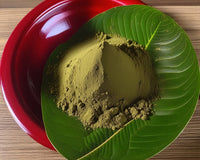
Red Bali Kratom Powder
Couldn't load pickup availability
Free Shipping on all order over $75
- AKA GMP Qualified – Certified by the American Kratom Association.
- Pure Leaf. Pure Strength.
- Lab tested (9+ tests) for microbiologics, heavy metals, and alkaloids
- Quality Control in microbiology labs
- Tested for purity and strength
- 30 days easy returns
- Same day shipping
- Need Help? 866-570-1245 or support@jackbotanicals.com


Trusted by 60k+ customers


Red Bali kratom has a milder taste than many other varieties. Its flavor is earthy and slightly grassy, with a hint of sweetness and a woody aftertaste. It is produced from the mature leaves of the Mitragyna speciosa tree, which grows freely across Southeast Asia. So, what is its connection with the tropical paradise island of Bali?
Where Red Bali Really Comes From
In reality, kratom is not native to Bali and is generally not grown there on a commercial scale. Bali is better known as a trading center than a major kratom-growing region. Most commercial kratom production takes place in West Kalimantan, on Indonesian Borneo, and in Sumatra. Jack Botanicals Red Bali kratom is grown and processed in these regions.
Kratom grows well in Kalimantan's humid rainforest climate. The fertile soils along the rivers in the Hulu Kapuas region support the growth of mature trees.
How Our Red Bali Is Dried
Kratom trees can grow up tall up to 50 feet tall. Farmers climb them to select and pluck mature, red-veined leaves, which have a more developed alkaloid profile than younger leaves. After collection, they are sorted to remove the stems as well as any unwanted material.
Unlike green and white-veined products, red kratom is fermented prior to drying, a process that alters the natural alkaloid profile, including the levels of certain alkaloids such as 7-hydroxymitragynine. The leaves are placed in a dark, humid environment for 24-72 hours.
Next, they are spread on racks to dry out completely. This removes any risk of mold or contamination and locks in the color and aroma of the finished product.
The dried leaves are ground into a fine powder, then passed through a sieve to remove any remaining stems and veins.
Samples of the powder are tested for purity and safety as well as alkaloid content, before the powder is sealed into air- and moisture-proof packaging.
|
Strain |
Vein Color |
Origin |
Harvest stage |
Drying method |
Blend ratio (if any) |
Color, smell, taste |
Sizes and Price per gram |
|
Bali |
Red |
Hulu Kapuas, West Kalimantan, Borneo, Indonesia |
Mature |
Fermentation for 1-3 days; Indoor drying with controlled temperature, humidity, and lighting levels for 1-7 days |
N/a |
Light, olive green; grassy aroma; somewhat bitter, with grassy notes and sweet aftertaste |
250 g ($0.156 per gram) 500 g ($0.098 per gram) 1 kg ($0.089 per gram) |
How Red Bali Compares with Other Red Strains
|
Strain |
Origin |
Flavor |
Powder Color |
Link |
|
Red Bali |
West Kalimantan, Borneo, Indonesia |
Earthy and grassy |
Olive green |
|
|
Red Maeng Da |
(Thai cultivar) West Kalimantan, Borneo, Indonesia |
Bitter and earthy, with a sour aftertaste |
Greenish gold |
https://jackbotanicals.com/products/red-maeng-da-kratom-powder |
|
Red Borneo |
West Kalimantan, Borneo, Indonesia |
Intensely bitter, with herbal or mossy undertones. |
Light golden-green |
https://jackbotanicals.com/products/red-borneo-kratom-powder |
|
Red Kali |
West Kalimantan, Borneo, Indonesia |
Bitter and astringent, with underlying sweetness |
Light olive green |
These names are product labels, not separate botanical varieties. To compare their relative alkaloid content, check out the most recent Certificates of Analysis for each one here.
Powder or Capsules?
While powder is the most economical way to purchase kratom, and powder gives you the flexibility to measure your own serving sizes, preparation does involve some time and effort. The taste does not appeal to everyone.
Red Bali kratom is also available in Capsules. Each one contains a pre-measured dose of 100% pure Red Bali kratom powder. Easy to use and convenient when you are on the move, they also avoid the bitter taste.
Red Bali Frequently Asked Questions
Is Red Bali kratom actually grown in Bali?
No. The name Red Bali refers to a kratom variety sold under that label, not necessarily to leaves grown on the island of Bali. Jack Botanicals Red Bali is sourced from local farms in the Hulu Kapuas area of West Kalimantan in Borneo.
What is the difference between Red Bali and Red Maeng Da?
Red Bali is a traditional kratom variety, while Red Maeng Da is a selectively bred cultivar developed under more controlled growing conditions. Both taste bitter, but Red Bali is considered to have a milder flavor.
Is Red Bali sun-dried?
No, it is fermented in dark, humid conditions before being dried in environments where light and humidity levels are controlled.
What does Red Bali taste like?
Red Bali has a grassy, earthy taste, with some bitterness and a faint sweetness that lingers after you swallow.
Are Red Bali capsules made from the same kratom leaf as the powder?
The contents are the same: 100% pure Red Bali kratom powder that has undergone the same rigorous third-party testing to ensure that it is free of additives or contaminants. They will contain the same alkaloid content as found in the same batch of Red Bali powder.
Where can I see the lab results?
You will find the details on the Lab Test page.
Red Bali Kratom Powder
Customer reviews
Rating breakdown
Customer photos
Red Bali Kratom Powder
From $39.00

