You have heard about kratom’s potential benefits and decided to try it for the first time. Before that moment, a common question comes up. What Does Kratom Taste Like. You prepare your dose, take the first sip or bite, and react instantly. The taste feels bitter. It resembles dry earth and old leaves from a garden shed. If you are wondering about the flavor before trying it, this reaction is common.
Understanding Kratom’s Natural Flavor Profile
The Primary Taste Components
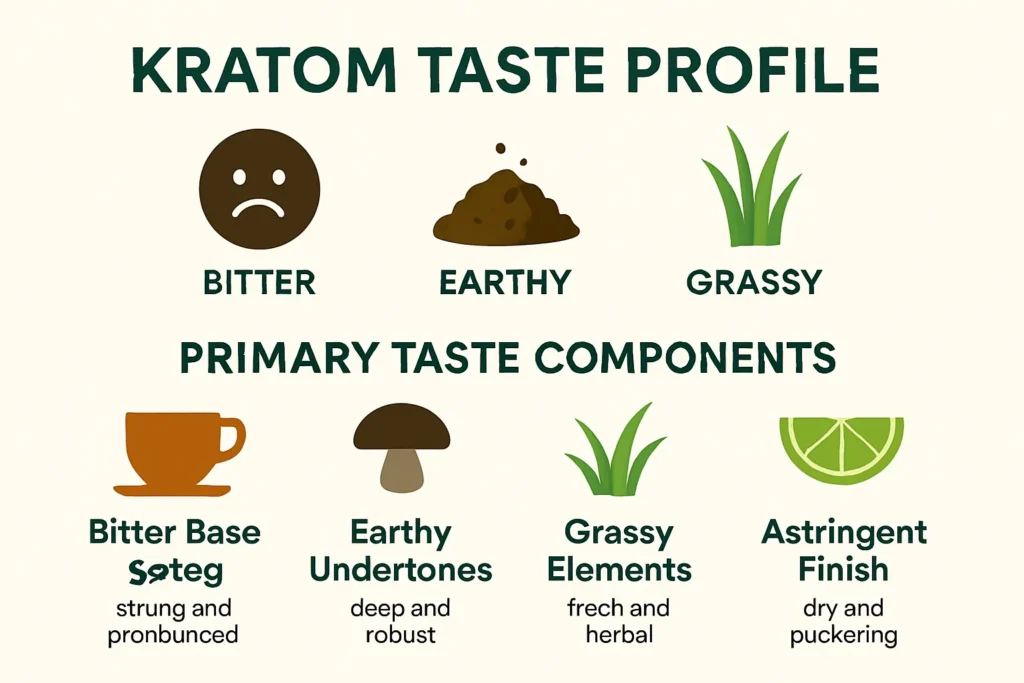
Kratom’s distinctive taste comes from its natural alkaloid content, particularly mitragynine and 7-hydroxymitragynine. These compounds are responsible for both the plant’s effects and its notably bitter flavor. The taste can be broken down into several key components:
- Bitter base notes: The most prominent flavor, similar to very strong black coffee or dark chocolate without sweeteners
- Earthy undertones: Reminiscent of soil, mushrooms, or dried leaves
- Grassy elements: Similar to the taste of wheatgrass or dried hay
- Astringent finish: A dry, puckering sensation that lingers in the mouth
The intensity of these flavors depends heavily on the kratom’s freshness, processing method, and strain type. Fresh, high-quality kratom tends to have a cleaner bitter taste, while older or poorly stored kratom may develop additional musty or stale flavors.
- Strain Color: Red strains typically taste slightly sweeter than green or white strains
- Grind Quality: Finer powders tend to taste more intense due to increased surface area
- Age and Storage: Older kratom develops more pronounced bitter and stale flavors
- Processing Method: Different drying and curing processes can alter the flavor profile
- Origin: Kratom from different regions may have subtle taste variations
Different Kratom Strains and Their Taste Variations
While all kratom shares the fundamental bitter profile, different strains can have subtle variations in their flavor notes:
Red Vein Strains
Red vein kratom generally offers the mildest taste experience among the three main categories. The flavor is still bitter but tends to have:
- Slightly sweeter undertones
- Less grassy taste
- Smoother finish
- More tolerable for beginners
Popular red strains like Red Elephant kratom are often recommended for those sensitive to taste due to their relatively milder flavor profile.
Green Vein Strains
Green vein varieties typically present a more balanced but still challenging taste:
- Moderate bitterness
- Prominent earthy notes
- Fresh, grassy undertones
- Well-rounded flavor profile
Green Elephant kratom exemplifies this balanced approach, offering effects that many users find worth tolerating the taste for.
White Vein Strains
White vein kratom often has the most intense and challenging flavor:
- Sharp, pronounced bitterness
- Strong astringent qualities
- More aggressive taste profile
- Longer-lasting aftertaste
Popular Methods to Mask or Improve Kratom’s Taste
Given kratom’s challenging flavor, users have developed numerous methods to make consumption more palatable:
Mixing with Beverages
- Orange Juice: The citrus helps mask bitterness while potentially enhancing absorption
- Chocolate Milk: The sweetness and richness help counteract bitter notes
- Coffee: Blends well with kratom’s bitter profile
- Smoothies: Fruits and yogurt can effectively mask the taste
- Grapefruit Juice: Another citrus option that may enhance effects
Food-Based Methods
- Yogurt mixing: Greek yogurt’s thickness helps coat the kratom
- Applesauce: Sweet and thick consistency masks flavor well
- Honey: Natural sweetener that complements earthy notes
- Protein shakes: Masks taste while providing nutritional benefits
Kratom Tea Preparation
Making kratom tea is one of the most popular consumption methods. The brewing process can help reduce some of the harsh flavors while creating a more palatable drink:
- Add honey, lemon, or ginger for flavor enhancement
- Use flavored tea bags alongside kratom
- Experiment with brewing times to find your preference
- Consider cold brewing for a smoother taste
Kratom Taste Tolerance Assessment
Effects and How They Relate to Taste
Many users wonder if there’s a correlation between kratom’s taste intensity and its effects. While the bitter compounds (alkaloids) are indeed responsible for both the taste and effects, a stronger taste doesn’t necessarily mean stronger effects.
Understanding the Connection
The alkaloid content that creates kratom’s bitter taste is the same content responsible for its effects. However, several factors influence this relationship:
- Individual sensitivity: People metabolize alkaloids differently
- Tolerance levels: Regular users may need higher doses regardless of taste
- Strain potency: Some mild-tasting strains can be very potent
- Quality factors: Fresh, properly processed kratom provides better effects
Duration and Onset
How long kratom effects last can vary significantly based on the consumption method, which is often chosen based on taste preferences:
- Capsules: Slower onset but longer duration, no taste issues
- Powder mixed in drinks: Faster onset, taste can be masked
- Tea: Moderate onset, taste can be improved with additives
- Toss and wash: Fastest onset, full taste experience
Practical Tips for First-Time Users
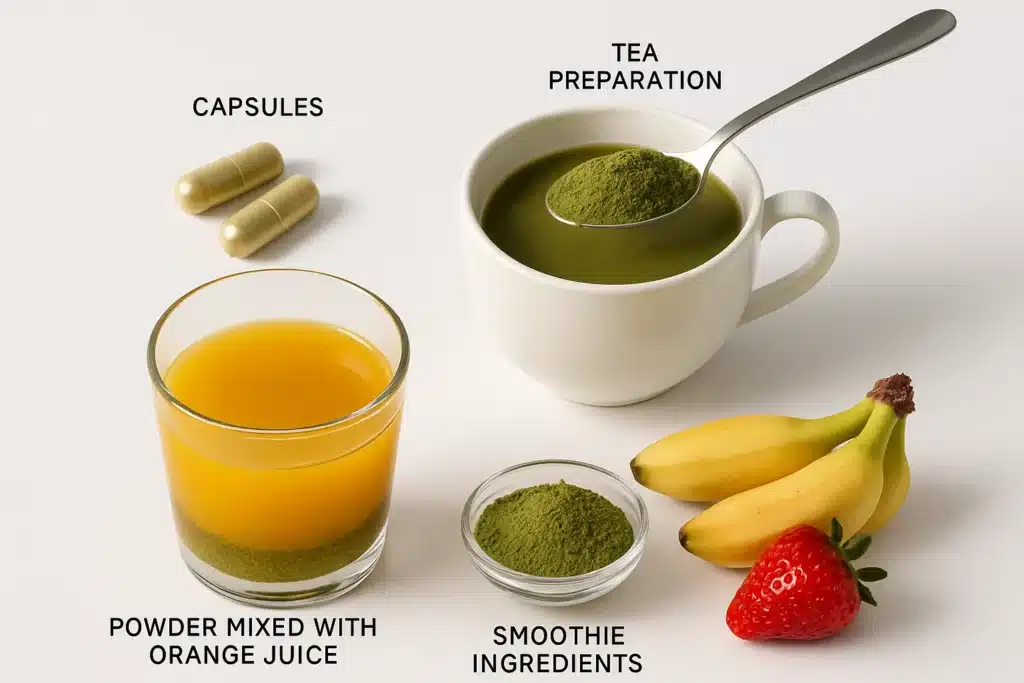
Starting Your Kratom Journey
If you’re new to kratom and concerned about the taste, here are practical strategies to ease into the experience:
- Start with capsules: This completely eliminates the taste factor while you learn about effects and dosing
- Choose milder strains: Red vein varieties typically offer the most tolerable taste
- Prepare taste maskers: Have your preferred drink or food ready before consumption
- Start small: Begin with smaller doses to minimize the amount you need to consume
- Stay hydrated: Keep water nearby to help with any lingering aftertaste
Legal Considerations
Before starting your kratom journey, it’s important to understand why kratom is legal in the US and the regulations in your specific area. Legal status can vary by state and locality.
Age Requirements
Many people wonder about age restrictions and whether you can buy kratom at 18. While federal law doesn’t specify an age limit, many vendors and states have implemented their own age requirements.
Advanced Consumption Techniques
Toss and Wash Method
This popular method involves placing kratom powder directly in your mouth and washing it down with liquid. While it provides the fastest onset, it also delivers the full taste experience:
- Measure your dose carefully
- Place powder on your tongue
- Quickly drink liquid to wash it down
- Follow with more liquid to clear residual taste
Cold Water Extraction
Some users prefer cold water extraction to reduce bitterness:
- Mix kratom with cold water
- Let it sit for 10-15 minutes
- Stir occasionally
- Strain if desired
- Add flavorings as needed
Kratom Edibles
Creating kratom-infused foods can help mask the taste:
- Kratom cookies: Baking can reduce some bitterness
- Kratom chocolate: Dark chocolate complements the bitter profile
- Kratom gummies: Sweet gelatin masks the taste effectively
Choosing Quality Kratom for Better Taste
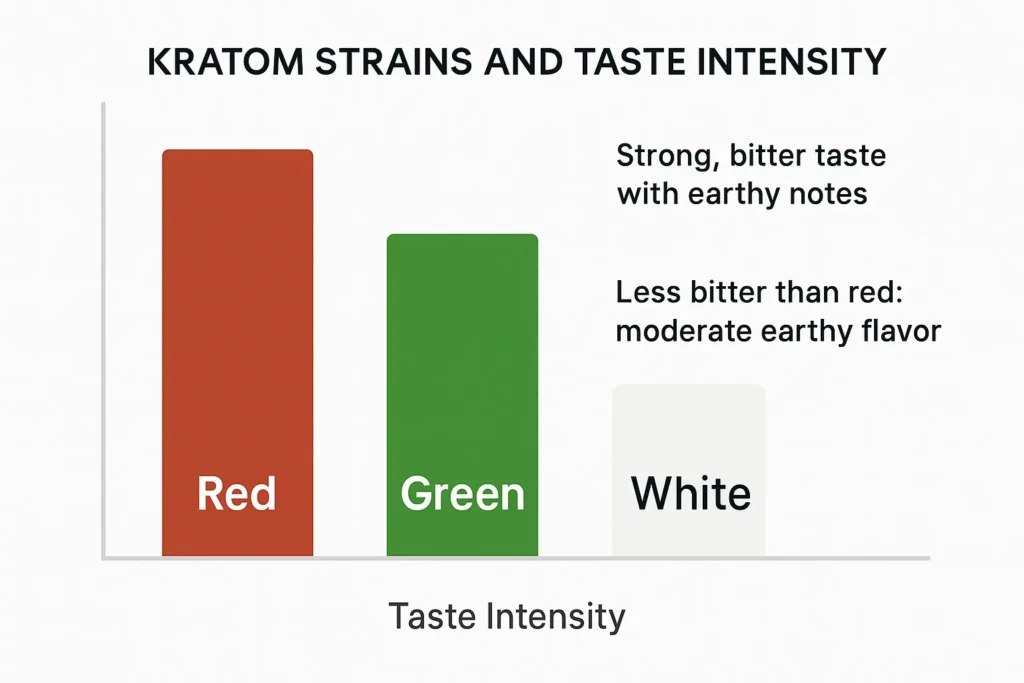
The quality of your kratom significantly impacts both taste and effects. Higher quality kratom typically has:
- Fresher, cleaner taste: Less stale or musty flavors
- More consistent effects: Better processing preserves alkaloids
- Finer texture: Easier to mix and consume
- Better storage: Proper packaging maintains freshness
Vendor Selection
When choosing a kratom vendor, consider factors that affect taste and quality:
- Reputation and reviews: Research vendors thoroughly
- Testing practices: Look for lab-tested products
- Storage methods: Proper packaging and storage practices
- Customer service: Responsive support for questions and concerns
Reading vendor reviews can help you make informed decisions about where to purchase quality kratom.
Understanding Kratom Tolerance and Taste Adaptation
Taste Adaptation Over Time
Many long-term kratom users report that their taste sensitivity decreases over time. This adaptation occurs through:
- Psychological conditioning: Associating the taste with positive effects
- Physical tolerance: Taste buds become less sensitive to the bitter compounds
- Improved technique: Better consumption methods reduce taste impact
- Strain familiarity: Finding preferred strains with more tolerable flavors
Managing Tolerance Breaks
Some users take tolerance breaks to maintain effectiveness. During these breaks, taste sensitivity may return, requiring renewed attention to masking methods. Understanding how long kratom withdrawals last can help plan for these breaks.
Storage and Freshness Impact on Taste
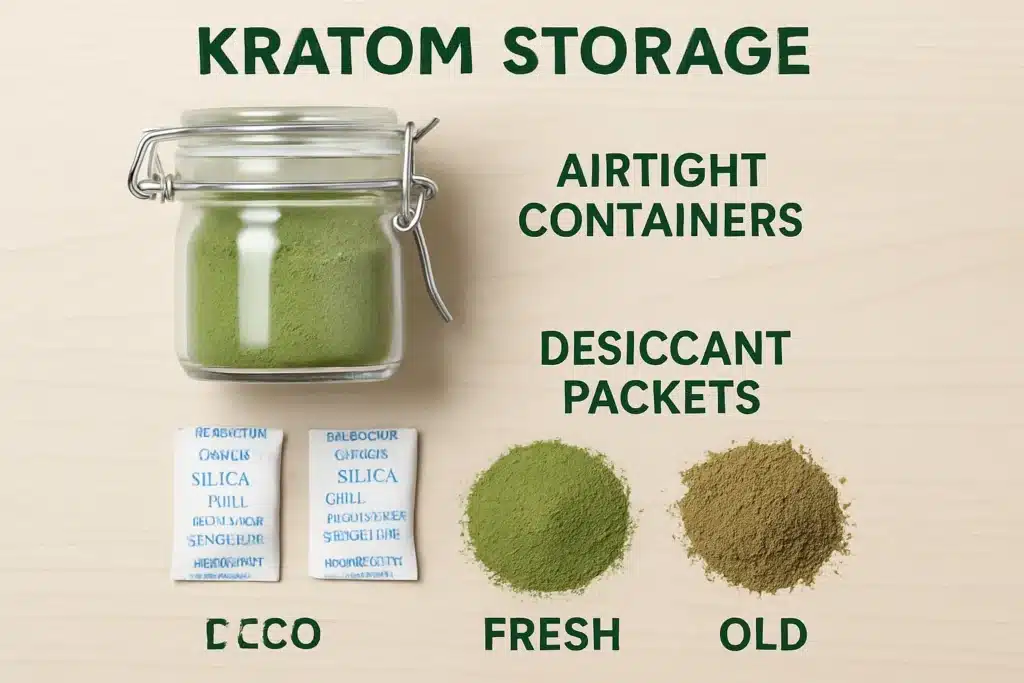
Proper Storage Techniques
How you store your kratom significantly affects its taste over time:
- Airtight containers: Prevent oxidation and moisture absorption
- Cool, dark places: Avoid heat and light exposure
- Moisture control: Use desiccant packets in humid climates
- Proper labeling: Track purchase dates and strain information
Signs of Degraded Kratom
Old or improperly stored kratom develops unpleasant taste characteristics:
- Musty or moldy odors: Indicates moisture damage
- Stale, flat taste: Loss of fresh, vibrant flavors
- Discoloration: Browning or unusual color changes
- Clumping: Moisture absorption causing powder to stick together
Frequently Asked Questions – What Does Kratom Taste Like
What does kratom taste like?
Kratom has a strong, bitter, and earthy taste. Many people compare it to unsweetened green tea mixed with ground leaves. The flavor can feel dry and lingering in the mouth. First time users often find the taste unpleasant, especially when taken as plain powder mixed with water.
Why does kratom taste so bitter?
The bitterness comes from natural plant alkaloids found in kratom leaves. These compounds have a sharp and astringent profile. When the leaves are dried and ground into powder, the taste becomes more concentrated. This is why kratom powder usually tastes stronger than brewed kratom tea.
Do different kratom strains taste different?
Yes, taste can vary slightly between strains, though bitterness is always present. Common differences include:
- Green vein strains often taste grassy and herbal
- Red vein strains may feel more earthy or woody
- White vein strains can taste sharper and more bitter
- Freshness can affect how strong the flavor feels
Does kratom powder taste worse than kratom capsules?
Kratom powder tastes stronger because it comes into direct contact with your taste buds. Capsules usually hide the flavor since the powder is enclosed. Many beginners prefer capsules to avoid the bitter taste. The taste only becomes noticeable if capsules dissolve slowly or break open.
What does kratom tea taste like?
Kratom tea tastes less intense than raw powder but remains bitter. The brewing process removes some plant material, which can soften the flavor. The taste is often described as herbal and slightly tannic. Some people find kratom tea easier to tolerate than mixing powder with water.
Can kratom taste sour or metallic?
In some cases, kratom may taste sour or metallic. This can happen due to:
- Low quality or poorly processed leaves
- Oxidation from long storage
- Contamination with moisture
- Individual taste sensitivity
Does kratom taste change with dosage size?
The taste itself does not change, but the intensity increases with larger amounts. A small dose may feel mildly bitter, while a larger amount can taste overwhelming. More powder also creates a thicker texture when mixed with liquids, which can make the taste harder to tolerate.
How do people usually describe the aftertaste of kratom?
The aftertaste is often described as lingering, dry, and earthy. It can stay in the mouth for several minutes. Some users notice a slightly chalky feeling on the tongue. Drinking water or rinsing the mouth afterward is common to reduce the remaining flavor.
Does kratom freshness affect how it tastes?
Yes, freshness plays a role in taste quality. Fresh kratom tends to have a cleaner and more consistent flavor. Older or improperly stored kratom can taste stale or overly harsh. Exposure to air, light, and humidity can all degrade taste over time.
Is kratom taste similar to matcha or green tea?
Kratom shares some similarities with matcha or green tea but tastes more bitter and less smooth. It lacks the natural sweetness found in high quality tea. The plant matter in kratom is coarser, which adds to the rough mouthfeel and stronger earthy flavor.
Conclusion
Understanding what kratom tastes like is crucial for anyone considering this botanical supplement. The universally bitter, earthy flavor can be challenging for newcomers, but numerous strategies exist to make consumption more palatable. From simple mixing techniques with orange juice or chocolate milk to more advanced preparations like kratom tea, users have developed creative solutions to address taste concerns.
The key to success lies in experimentation and patience. What works for one person may not work for another, so it’s important to try different methods and strains to find your optimal approach. Remember that taste adaptation often occurs over time, and many long-term users report that the flavor becomes less problematic as they associate it with positive effects.
Whether you choose to start with capsules to avoid taste entirely, experiment with various mixing methods, or gradually build tolerance to the natural flavor, the most important factors are safety, quality, and consistency. Choose reputable vendors, start with appropriate doses, and always prioritize your health and well-being.
For more information about kratom and related topics, explore additional resources on the Jack Botanicals blog to deepen your understanding of this fascinating botanical and make informed decisions about its use.
Daniel Brooks
Daniel Brooks is a U.S. based botanical writer with over six years of hands on experience in kratom focused content. He studies kratom strains, sourcing standards, dosage patterns, and consumer safety topics. He stays up to date with current news, regulatory changes, and market trends related to kratom and botanical products.
His work includes educational guides, strain breakdowns, and vendor reviews written for everyday users. He avoids promotional language and presents clear facts. Daniel helps readers understand both benefits and risks so they can make informed choices about responsible kratom use.