The legal landscape surrounding kratom continues to evolve across the United States, leaving many South Carolina residents wondering about their rights to purchase, possess, and use this controversial botanical substance. While some states have embraced kratom with open arms and others have banned it outright, South Carolina finds itself in a unique position that requires careful examination of current laws, pending legislation, and local regulations.
- Kratom is currently legal in South Carolina at the state level, with no statewide ban or restrictions on possession, sale, or use
- Local municipalities may have their own ordinances that could restrict kratom availability in specific cities or counties
- The legal status remains fluid with ongoing discussions about potential regulation and age restrictions
- Quality and safety concerns persist due to lack of comprehensive state oversight and regulation
- Federal oversight by the DEA continues to influence the broader legal landscape for kratom nationwide
Current Legal Status: Is Kratom Legal In South Carolina?
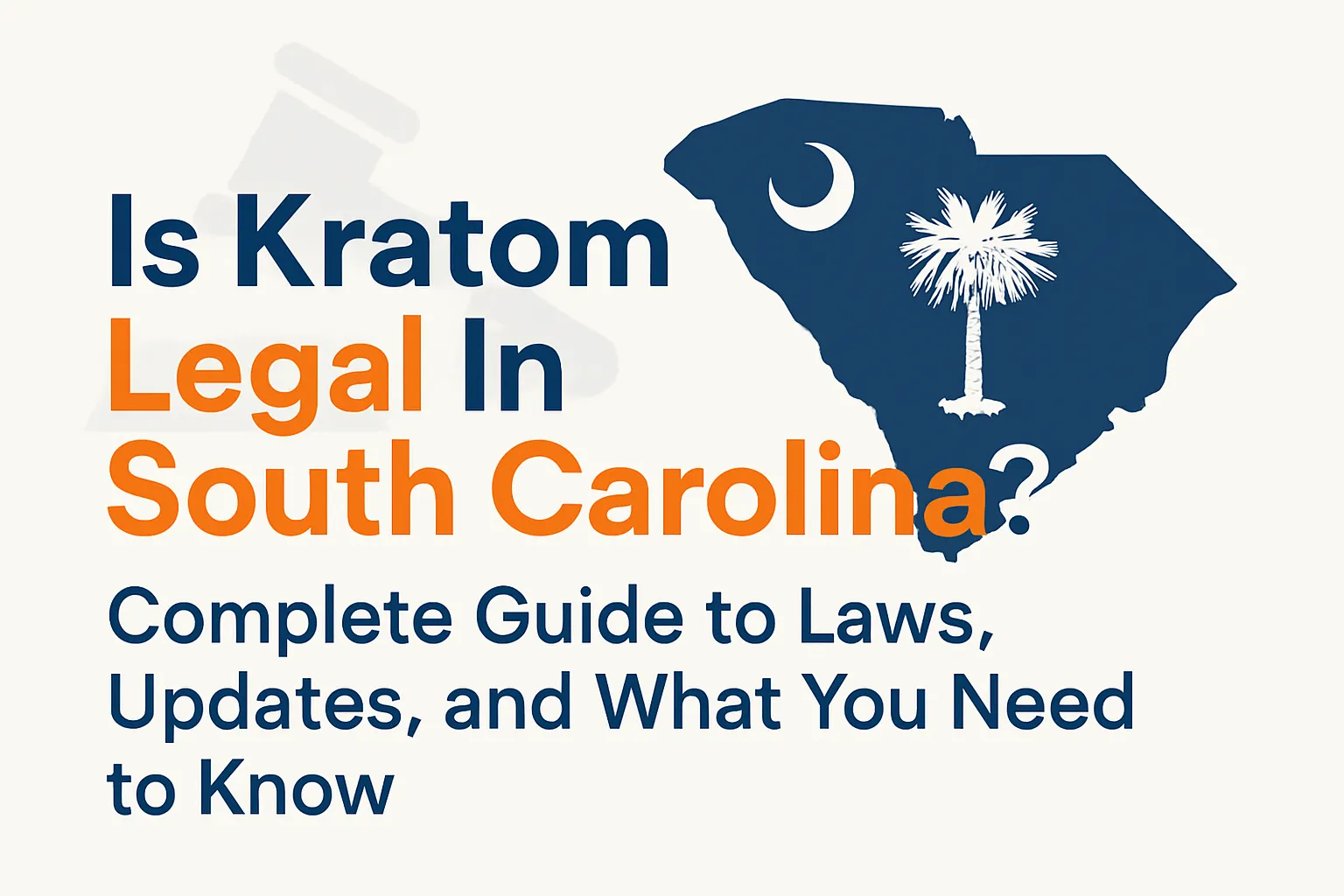
Yes, kratom is legal in South Carolina as of the most recent legislative updates. The Palmetto State has not enacted any statewide prohibitions on the possession, sale, distribution, or consumption of kratom products. This places South Carolina among the majority of U.S. states that have chosen not to ban the Southeast Asian botanical.
Unlike neighboring states that have implemented various restrictions or outright bans, South Carolina lawmakers have largely taken a hands-off approach to kratom regulation. This means that adults can legally:
- Purchase kratom products from retail stores, smoke shops, and online vendors
- Possess kratom in any form (powder, capsules, extracts, leaves)
- Use kratom for personal purposes without legal consequences
- Transport kratom within state boundaries
However, this legal status comes with important caveats that every South Carolina resident should understand.
Understanding South Carolina’s Kratom Laws

State-Level Legislation
South Carolina operates under a permissive legal framework regarding kratom. The state legislature has not passed any bills specifically targeting kratom for prohibition, unlike states such as Alabama, Arkansas, or Indiana. This absence of restrictive legislation means kratom falls into a legal gray area where it’s neither explicitly regulated nor banned.
The South Carolina Department of Health and Environmental Control (DHEC) has not issued specific guidelines or warnings about kratom use, though they continue to monitor emerging research and federal developments. This regulatory approach reflects the state’s generally conservative stance on introducing new restrictions without clear evidence of public health emergencies.
Age Restrictions and Limitations
Currently, no statewide age restrictions exist for kratom purchases in South Carolina. This differs from states like Nevada and Utah, which have implemented 18+ or 21+ age requirements. However, many responsible retailers voluntarily restrict sales to adults 18 and older, following industry best practices.
The absence of age restrictions has sparked some debate among lawmakers and public health advocates, with discussions about whether minors should have access to kratom products. Some legislative proposals have suggested implementing age verification requirements similar to those used for tobacco products.
South Carolina Kratom Legal Status Tracker
Interactive guide to kratom legality across South Carolina counties and municipalities
Statewide Status: LEGAL
Kratom is legal at the state level in South Carolina with no statewide restrictions on possession, sale, or use.
What This Means for You
- ✅ Legal to purchase kratom
- ✅ Legal to possess kratom
- ✅ Legal to use kratom
- ⚠️ Check local ordinances
- ⚠️ Quality not regulated
Key Considerations
- No age restrictions statewide
- No quantity limits
- No licensing requirements
- Local laws may vary
- Federal status pending
Local Ordinances and Municipal Laws
While kratom remains legal at the state level, local municipalities retain the authority to enact their own ordinances restricting or banning kratom within their jurisdictions. This patchwork of local laws creates a complex legal landscape that requires careful attention from consumers and retailers alike.
City-Level Regulations
Several South Carolina cities have considered or implemented local kratom ordinances:
🏛️ Charleston: No current city-wide ban, but ongoing discussions about regulation
🏛️ Columbia: No specific kratom ordinances as of recent legislative sessions
🏛️ Greenville: Currently legal with no municipal restrictions
🏛️ Spartanburg: No known local prohibitions
County Considerations
County-level regulations can also impact kratom availability. Most South Carolina counties have not enacted specific kratom bans, but consumers should verify local ordinances before purchasing or possessing kratom products.
Important: Local laws can change rapidly, and what’s legal in one municipality may be prohibited in a neighboring jurisdiction. Always check current local ordinances before purchasing kratom products.
Federal Oversight and DEA Considerations
The Drug Enforcement Administration (DEA) continues to monitor kratom at the federal level, which directly impacts South Carolina’s legal landscape. Understanding federal developments helps predict potential changes to state-level legality.
Current Federal Status
Kratom remains federally unscheduled, meaning it’s not classified as a controlled substance under the Controlled Substances Act. However, the DEA has expressed concerns about kratom’s safety profile and potential for abuse, leading to ongoing regulatory discussions.
Key federal considerations include:
- FDA warnings about kratom safety and quality control issues
- Import restrictions on certain kratom products
- Ongoing research into kratom’s pharmacological effects
- Congressional discussions about potential federal regulation
Impact on South Carolina
Federal actions significantly influence state-level decisions. If the DEA schedules kratom as a controlled substance, South Carolina would likely need to comply with federal restrictions, regardless of current state laws.
Recent Legislative Updates and Proposed Changes
South Carolina lawmakers continue to monitor kratom-related developments, with several legislative proposals under consideration. Understanding these potential changes helps consumers and advocates stay informed about future legal scenarios.
2024 Legislative Session Highlights
The most recent legislative session included discussions about:
📋 Age Restriction Proposals: Bills suggesting 18+ or 21+ age requirements for kratom purchases
📋 Quality Control Measures: Proposed regulations for kratom testing and labeling standards
📋 Retail Licensing: Discussions about requiring special licenses for kratom retailers
📋 Public Health Monitoring: Proposals for tracking kratom-related health incidents
Advocacy and Opposition Efforts
Both kratom advocacy groups and public health organizations actively engage with South Carolina legislators. The American Kratom Association (AKA) has worked to promote the Kratom Consumer Protection Act (KCPA) model legislation, while some medical associations have raised concerns about kratom safety.
Understanding these competing perspectives helps explain the ongoing legislative debates and potential future changes to South Carolina’s kratom laws.
Where to Buy Kratom in South Carolina
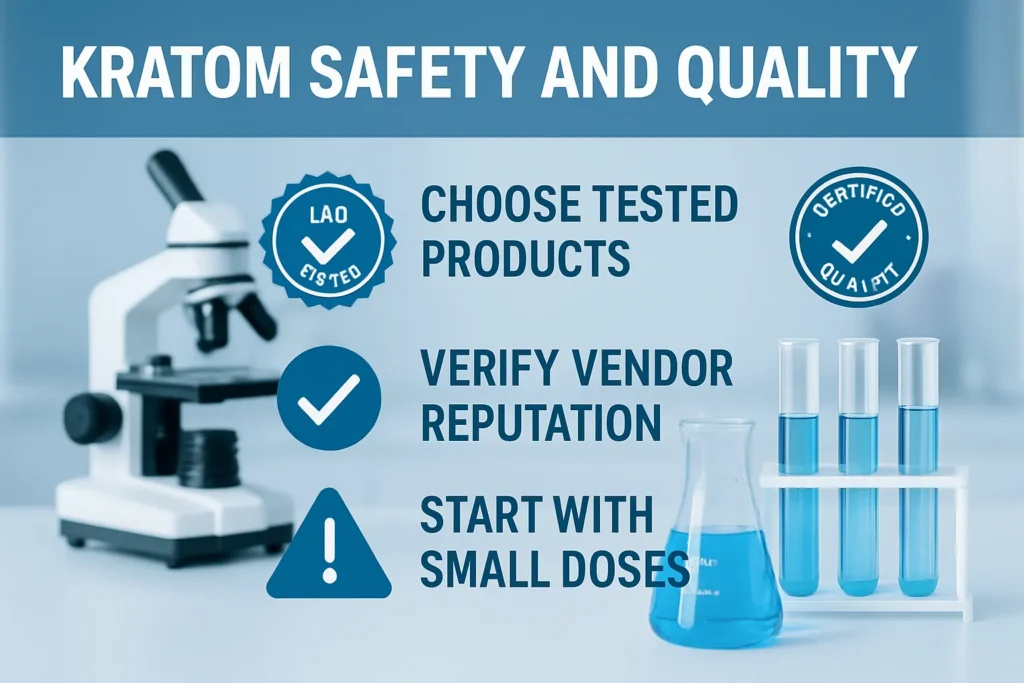
With kratom legal statewide, South Carolina residents have multiple options for purchasing kratom products. However, the lack of comprehensive regulation means consumers must be particularly careful about product quality and vendor reliability.
Retail Store Options
🏪 Smoke Shops and Head Shops: Many tobacco retailers carry kratom products
🏪 Health Food Stores: Some natural health retailers stock kratom supplements
🏪 Gas Stations: Convenience stores increasingly carry kratom products
🏪 Specialty Kratom Stores: Dedicated kratom retailers offer wider selections
Online Purchasing
Online kratom vendors often provide:
- Wider product selection than physical stores
- Competitive pricing due to lower overhead costs
- Lab testing results and quality certifications
- Customer reviews and detailed product information
- Bulk purchasing options for regular users
When choosing where to buy kratom, prioritize vendors that provide:
✅ Third-party lab testing results
✅ Clear ingredient lists and potency information
✅ Good Manufacturing Practice (GMP) compliance
✅ Responsive customer service
✅ Money-back guarantees or return policies
Quality and Safety Considerations
The absence of comprehensive state regulation means consumers must take extra precautions when selecting kratom products. Unlike states with KCPA-style regulations, South Carolina doesn’t require:
- Mandatory lab testing for contaminants
- Standardized labeling requirements
- Age verification systems
- Product registration or tracking
This regulatory gap places the burden of quality assurance on consumers and responsible vendors.
Kratom Safety and Health Considerations
While kratom remains legal in South Carolina, understanding potential health implications and safety concerns is crucial for informed decision-making. The lack of comprehensive regulation means consumers must be particularly vigilant about product quality and personal health monitoring.
Known Health Effects
Research into kratom’s effects continues to evolve, with studies documenting both potential benefits and risks:
Reported Benefits:
- Pain management support
- Mood enhancement
- Energy boost at lower doses
- Relaxation at higher doses
- Potential support for opioid withdrawal
Potential Risks:
- Physical dependence with regular use
- Withdrawal symptoms when discontinuing
- Liver toxicity in rare cases
- Drug interactions with medications
- Quality control issues with unregulated products
FDA Warnings and Recommendations
The Food and Drug Administration (FDA) has issued several warnings about kratom, including concerns about:
- Contamination with harmful bacteria like Salmonella
- Adulteration with other substances
- Inconsistent potency across products and batches
- Lack of quality control in manufacturing processes
These federal warnings influence how South Carolina residents should approach kratom use, even in the absence of state-level restrictions.
Safe Usage Guidelines
For South Carolina residents choosing to use kratom, health experts recommend:
🔸 Start with small doses to assess individual tolerance
🔸 Purchase from reputable vendors with lab testing
🔸 Avoid daily use to prevent dependence
🔸 Consult healthcare providers especially if taking medications
🔸 Monitor for adverse effects and discontinue if problems arise
🔸 Stay informed about emerging research and safety data
Comparison with Neighboring States
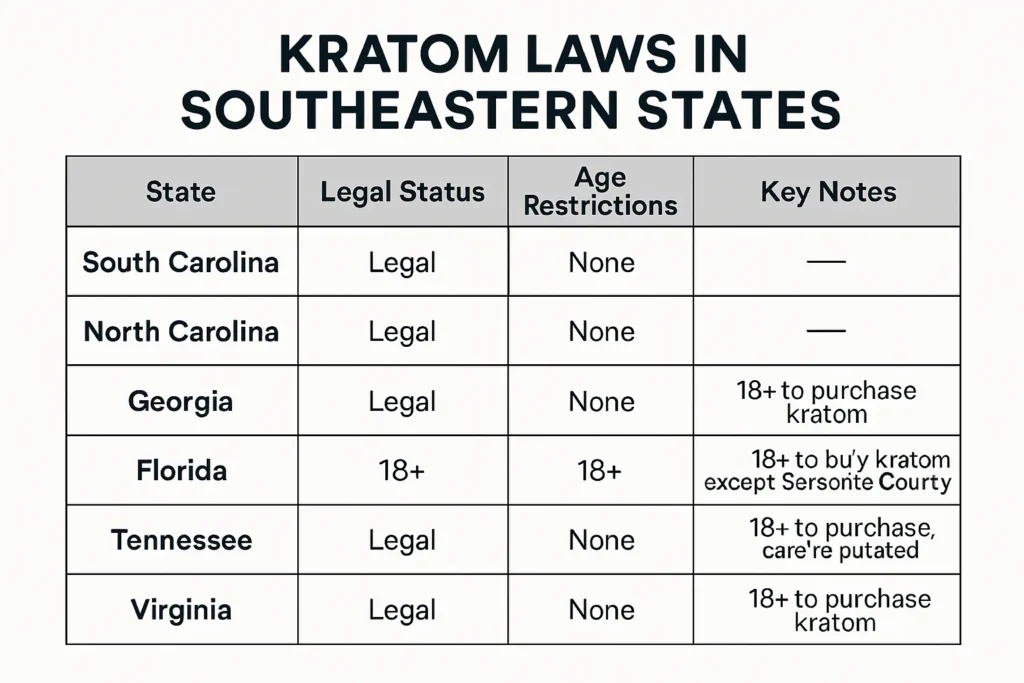
Understanding how South Carolina’s kratom laws compare to neighboring states provides valuable context for residents and helps predict potential future legislative directions.
Regional Legal Landscape
| State | Legal Status | Key Restrictions | Notes |
|---|---|---|---|
| South Carolina | ✅ Legal | None statewide | Local ordinances may vary |
| North Carolina | ✅ Legal | 18+ age requirement | KCPA-style regulation |
| Georgia | ✅ Legal | 18+ age requirement | Some local bans |
| Florida | ✅ Legal | 21+ age requirement | Sarasota County banned |
| Tennessee | ✅ Legal | 21+ age requirement | KCPA adopted |
| Virginia | ✅ Legal | 18+ age requirement | Recent legalization |
Trends and Patterns
The regional trend shows movement toward regulated legality rather than outright prohibition. Most southeastern states have chosen to implement age restrictions and quality control measures rather than complete bans.
This pattern suggests South Carolina may eventually adopt similar regulatory frameworks, particularly if neighboring states report positive outcomes from their KCPA-style legislation.
For context on how other states handle kratom legality, readers can explore information about kratom laws in Arkansas and Arizona’s kratom regulations to understand different regulatory approaches.
Industry and Economic Impact
Kratom’s legal status in South Carolina has created economic opportunities while raising questions about regulation and taxation. Understanding these economic factors helps explain stakeholder positions on potential legislative changes.
Market Size and Growth
The South Carolina kratom market has experienced steady growth, with:
📈 Retail Expansion: Increasing number of stores carrying kratom products
📈 Online Sales: Growing e-commerce presence serving South Carolina customers
📈 Employment Creation: Jobs in retail, distribution, and quality testing
📈 Tax Revenue: Sales tax collection on kratom transactions
Business Considerations
Kratom businesses operating in South Carolina face unique challenges:
Regulatory Uncertainty: Potential for future restrictions affects long-term planning
Banking Issues: Some financial institutions avoid kratom-related businesses
Insurance Challenges: Difficulty obtaining comprehensive business insurance
Quality Assurance: Self-regulation in absence of state requirements
Economic Arguments
Pro-legality advocates emphasize:
- Tax revenue generation for state and local governments
- Job creation in retail and distribution sectors
- Consumer choice and free market principles
- Potential medical cost savings for pain management
Regulation proponents argue:
- Need for quality control to protect consumers
- Age restrictions to prevent youth access
- Licensing requirements for better oversight
- Standardized testing to ensure product safety
What This Means for Consumers
For South Carolina residents interested in kratom, the current legal landscape offers both opportunities and responsibilities. Understanding these implications helps ensure legal compliance and personal safety.
Your Rights as a Consumer
Under current South Carolina law, adults have the right to:
- Purchase kratom products from any willing retailer
- Possess kratom in any quantity for personal use
- Transport kratom within state boundaries
- Use kratom without legal consequences
- Order kratom online from out-of-state vendors
Your Responsibilities
Legal kratom use comes with important responsibilities:
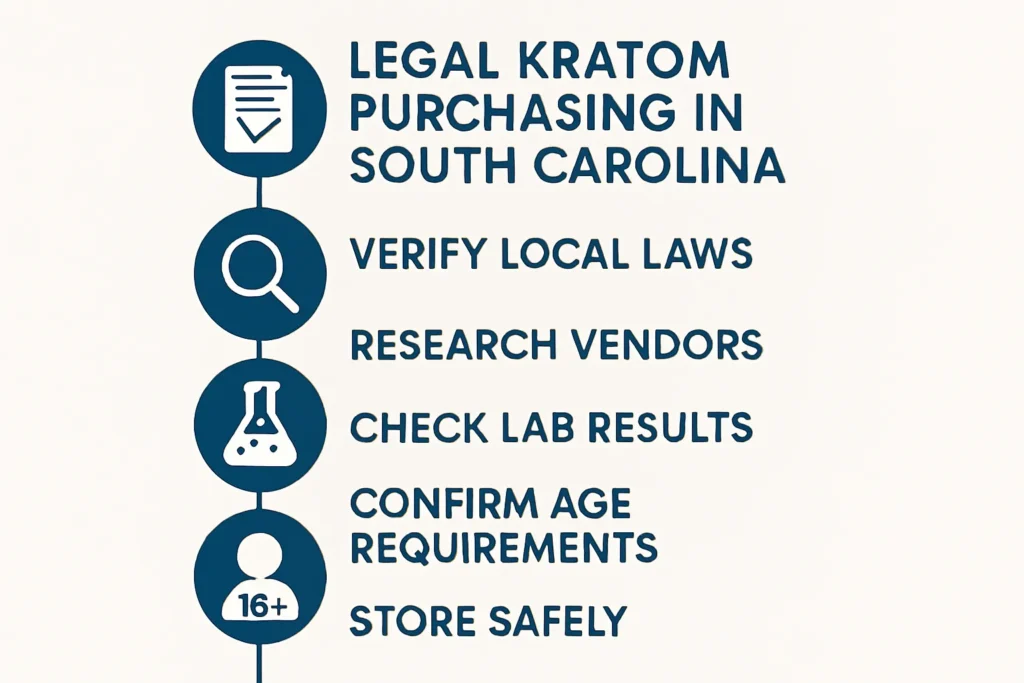
🔸 Verify local laws in your specific city or county
🔸 Research product quality before purchasing
🔸 Use responsibly to avoid dependence or health issues
🔸 Stay informed about legal developments
🔸 Respect others who choose not to use kratom
Best Practices for Legal Compliance
To ensure continued legal kratom use:
- Keep receipts showing legal purchase
- Store products in original packaging when possible
- Avoid public consumption in sensitive areas
- Don’t drive under the influence of kratom
- Respect workplace policies regarding kratom use
For those considering kratom use, it’s worth understanding the broader context of kratom availability and researching different vendor options and reviews to make informed decisions.
Kratom Advocacy and Education in South Carolina
The kratom community in South Carolina includes consumers, advocates, and businesses working to maintain legal access while promoting responsible use. Understanding these advocacy efforts provides insight into the political dynamics surrounding kratom legislation.
Key Advocacy Organizations
American Kratom Association (AKA): Leading national organization promoting kratom legality and regulation
Local Kratom Groups: Grassroots organizations focused on South Carolina-specific issues
Business Associations: Vendor groups promoting industry standards and best practices
Educational Initiatives
Advocacy groups focus on:
📚 Public Education: Sharing research and safety information
📚 Legislative Outreach: Engaging with lawmakers and staff
📚 Media Relations: Responding to negative coverage and promoting balanced reporting
📚 Community Building: Connecting kratom users and supporters
How to Get Involved
South Carolina residents can participate in kratom advocacy by:
- Joining national and local kratom organizations
- Contacting legislators about kratom issues
- Sharing personal experiences responsibly
- Supporting quality vendors and businesses
- Staying informed about legislative developments
For those dealing with kratom dependence issues, resources are available on how to quit kratom safely and effectively.
Kratom Legal FAQ – South Carolina
South Carolina has not enacted any legislation specifically banning kratom, making it one of the states where kratom remains accessible to adult consumers. However, it’s important to stay informed about potential future legislative changes.
While South Carolina doesn’t have specific state laws regarding kratom age restrictions, most reputable vendors voluntarily restrict sales to individuals 18 years and older. Some vendors may set their minimum age at 21.
Yes, you can legally purchase kratom online and have it shipped to South Carolina. Many online vendors ship kratom products to the state without restrictions.
When ordering online, ensure you:
- Purchase from reputable vendors with third-party lab testing
- Verify the vendor ships to South Carolina
- Check product quality and customer reviews
- Understand the vendor’s return and refund policies
Currently, there are no known city or county-level bans on kratom in South Carolina. The state generally follows federal guidelines, and since kratom is not federally scheduled, it remains legal throughout the state.
Since kratom is not regulated by the FDA, quality can vary significantly between vendors. When purchasing kratom in South Carolina:
- Look for vendors who provide third-party lab testing results
- Choose products tested for contaminants, heavy metals, and adulterants
- Research vendor reputation and customer feedback
- Start with small quantities to assess quality
- Consult with healthcare providers if you have medical concerns
Yes, kratom laws can change at any time through state legislation. While South Carolina currently allows kratom, several factors could influence future legal status:
- Federal scheduling decisions by the DEA
- State legislative sessions and new bills
- Public health concerns or incidents
- Advocacy efforts from both supporters and opponents
Kratom is available through various channels in South Carolina:
- Smoke shops and head shops – Many carry kratom products
- Health and wellness stores – Some natural health stores stock kratom
- Online vendors – Often offer better selection and pricing
- Specialty kratom stores – Dedicated kratom retailers in some areas
Conclusion
Is kratom legal in South Carolina? Yes, kratom remains legal throughout South Carolina at the state level, with no current restrictions on possession, sale, or use. However, this legal status exists within a complex and evolving regulatory landscape that requires ongoing attention from consumers, businesses, and advocates.
The absence of comprehensive state regulation means that while kratom is legal, consumers must take extra responsibility for ensuring product quality and personal safety. Local ordinances may create exceptions to statewide legality, making it essential to verify municipal laws in specific areas.
Looking ahead, South Carolina will likely face continued pressure to implement some form of kratom regulation, whether through age restrictions, quality control measures, or licensing requirements. The experiences of neighboring states with KCPA-style legislation may influence future South Carolina policy decisions.
Daniel Brooks
Daniel Brooks is a U.S. based botanical writer with over six years of hands on experience in kratom focused content. He studies kratom strains, sourcing standards, dosage patterns, and consumer safety topics. He stays up to date with current news, regulatory changes, and market trends related to kratom and botanical products.
His work includes educational guides, strain breakdowns, and vendor reviews written for everyday users. He avoids promotional language and presents clear facts. Daniel helps readers understand both benefits and risks so they can make informed choices about responsible kratom use.