
You’re researching natural wellness alternatives and stumble upon kratom, a botanical that has sparked intense debates across North America. While some praise its potential benefits, others raise concerns about safety and regulation. If you’re in Canada, you’re likely wondering, “Is Kratom Legal in Canada?” The answer isn’t as straightforward as you might expect, and understanding Canada’s complex regulatory landscape around kratom could save you from legal trouble while helping you make informed decisions about your health and wellness journey.
- Kratom exists in a legal gray area in Canada – it’s not explicitly banned but faces restrictions under various health regulations
- Health Canada has not approved kratom for therapeutic use and considers it an unauthorized health product when marketed for medicinal purposes
- Provincial regulations may vary, making it essential to understand local laws in your specific region
- Quality and safety concerns persist due to lack of standardized testing and regulation in the kratom market
- Legal alternatives and proper research are crucial before considering kratom use in Canada
Understanding Kratom: The Basics
Kratom (Mitragyna speciosa) is a tropical evergreen tree native to Southeast Asia, particularly Thailand, Malaysia, Indonesia, and Myanmar. For centuries, indigenous communities have used kratom leaves traditionally, either by chewing them fresh or brewing them into teas. The plant contains over 40 active compounds, with mitragynine and 7-hydroxymitragynine being the most prominent alkaloids responsible for its effects.
The kratom tree can grow up to 80 feet tall, and its leaves contain varying concentrations of alkaloids depending on factors like:
- Strain variety (Red, Green, White vein types)
- Geographic origin
- Harvesting methods
- Processing techniques
- Storage conditions
In recent years, kratom has gained popularity in Western countries as people seek natural alternatives for various wellness purposes. However, this growing interest has also attracted regulatory scrutiny and public health concerns.
Current Legal Status: Is Kratom Legal in Canada?
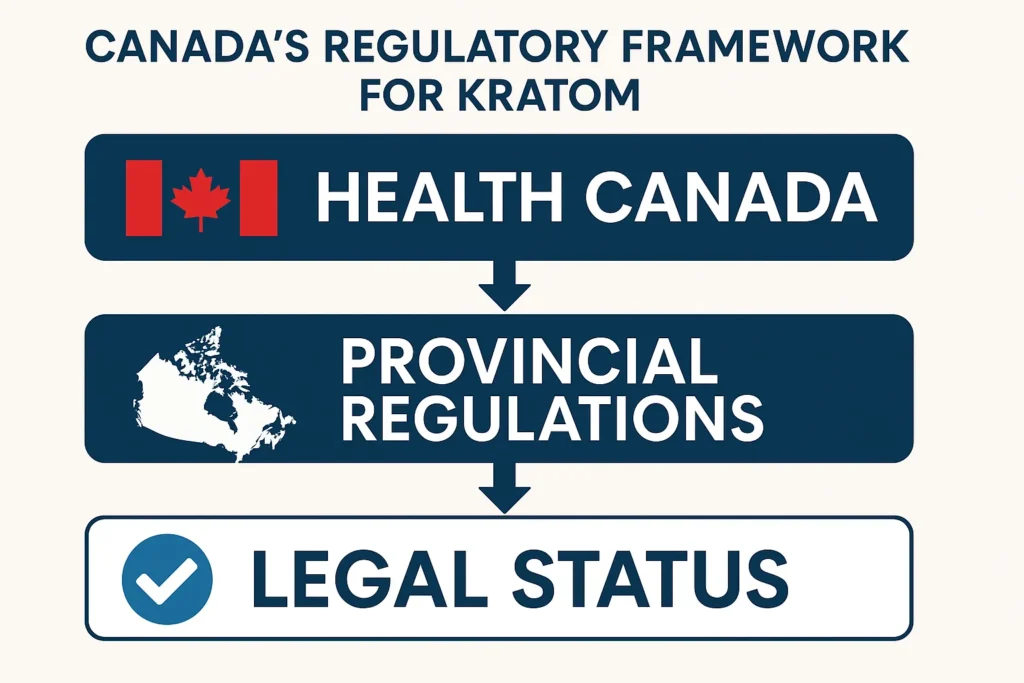
The question “Is kratom legal in Canada?” doesn’t have a simple yes or no answer. Canada’s approach to kratom regulation is nuanced and involves multiple government agencies with overlapping jurisdictions.
Health Canada’s Position
Health Canada, the federal department responsible for public health regulation, has not approved kratom for therapeutic use. According to their current stance:
- Kratom is not approved as a natural health product
- It cannot be legally sold with health claims or therapeutic benefits
- Products containing kratom may be subject to seizure if marketed improperly
- Import and distribution may face restrictions under the Food and Drugs Act
Federal Regulatory Framework
Under Canada’s Controlled Drugs and Substances Act (CDSA), kratom is not currently listed as a controlled substance. This means:
✅ Possession for personal use is generally not criminalized
✅ Small-scale importation may be possible under certain circumstances
❌ Commercial sale with health claims is prohibited
❌ Large-scale distribution may face regulatory challenges
Provincial Variations
Individual provinces may have additional regulations affecting kratom availability:
| Province | Additional Considerations |
|---|---|
| Ontario | Municipal bylaws may restrict retail sales |
| British Columbia | Provincial health authorities monitor imports |
| Alberta | Pharmacy regulations may apply to certain products |
| Quebec | French labeling requirements for any retail products |
For those interested in understanding kratom regulations in other regions, you can explore how kratom laws vary in different jurisdictions to gain broader perspective on regulatory approaches.
Health Canada’s Regulatory Approach
Health Canada’s regulatory framework for kratom reflects their cautious approach to unproven botanical products. Their primary concerns include:
Safety Assessment Challenges
Lack of Clinical Data: Health Canada requires extensive safety and efficacy data for therapeutic product approval. Kratom currently lacks:
- Randomized controlled trials
- Long-term safety studies
- Standardized dosing guidelines
- Quality control protocols
Product Classification Issues
When evaluating kratom products, Health Canada considers:
- Intended use (recreational vs. therapeutic)
- Marketing claims (wellness vs. medical)
- Product format (raw leaf vs. processed extracts)
- Target population (adults vs. vulnerable groups)
Enforcement Priorities
Health Canada typically focuses enforcement on:
- Products making therapeutic claims without approval
- Imports exceeding personal use quantities
- Products with safety concerns or contamination
- Marketing to minors or vulnerable populations
Understanding proper dosing is crucial for anyone considering kratom use, which is why resources about appropriate kratom dosage guidelines become essential for informed decision-making.
🍃 Kratom Legal Status Checker – Canada
Understanding Kratom Effects and Uses
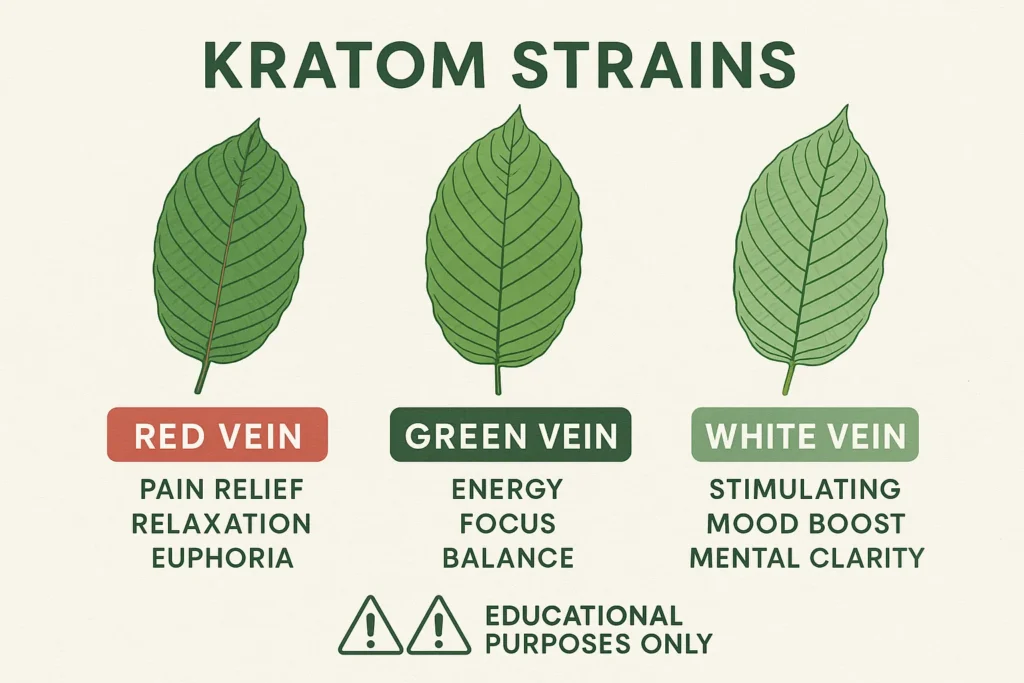
Before exploring the legal landscape further, it’s important to understand why people seek kratom and what effects users report. Note: The following information is for educational purposes only and should not be considered medical advice.
Reported Effects by Strain Type
Different kratom strains are associated with varying effects, though individual experiences can differ significantly:
🔴 Red Vein Strains
- Often associated with relaxation
- May promote evening use
- Popular among those seeking calm
🟢 Green Vein Strains
- Described as balanced effects
- May provide moderate energy
- Often chosen for daytime use
⚪ White Vein Strains
- Associated with alertness
- May enhance focus
- Popular for morning routines
For those interested in specific strain information, Yellow Borneo kratom and White Borneo varieties offer detailed insights into regional kratom characteristics.
Traditional and Modern Uses
Traditional Southeast Asian Uses:
- Agricultural workers for endurance
- Folk medicine practices
- Cultural and ceremonial purposes
- Natural energy source
Modern Western Interest Areas:
- Wellness and lifestyle enhancement
- Natural alternatives research
- Botanical curiosity
- Academic and scientific study
Dosage Considerations
Kratom dosing varies significantly based on multiple factors:
| Factor | Impact on Dosing |
|---|---|
| Body weight | Larger individuals may require more |
| Tolerance | Regular use can increase tolerance |
| Strain potency | Extract forms are more concentrated |
| Individual sensitivity | Some people are more responsive |
| Desired effects | Different goals may require different amounts |
Safety Considerations and Health Risks
Understanding potential risks is crucial when considering kratom, especially in an unregulated market like Canada’s current situation.
Potential Health Concerns
Physical Health Risks:
- Dependency potential: Regular use may lead to physical dependence
- Withdrawal symptoms: Stopping after regular use may cause discomfort
- Liver concerns: Some case reports suggest potential liver issues
- Drug interactions: May interact with prescription medications
- Contamination risks: Unregulated products may contain harmful substances
Quality Control Issues:
- Heavy metal contamination from poor sourcing
- Bacterial contamination from improper processing
- Adulteration with synthetic compounds
- Inconsistent potency between batches
- Mislabeling of strains and origins
Vulnerable Populations
Certain groups face higher risks:
- Pregnant and nursing mothers
- Individuals with liver conditions
- People taking prescription medications
- Those with addiction histories
- Minors under 18
Signs of Problematic Use
⚠️ Warning signs that may indicate problematic kratom use:
- Inability to function without kratom
- Escalating doses over time
- Neglecting responsibilities for kratom use
- Continued use despite negative consequences
- Unsuccessful attempts to reduce or stop use
Where to Find Kratom in Canada
Given the complex legal status, finding kratom in Canada requires careful consideration of legal and safety factors.
Legal Acquisition Methods
Online Sources:
- Some vendors operate in legal gray areas
- International shipping may face customs issues
- Quality and legitimacy vary significantly
- Payment processing can be challenging
Local Sources:
- Head shops and smoke shops may carry products
- Availability varies by municipality
- Quality control is often minimal
- Legal compliance varies by retailer
For those exploring options, understanding where to buy kratom locally and online purchasing considerations can provide valuable guidance, though always verify local legality first.
Red Flags to Avoid
🚩 Warning signs of unreliable kratom sources:
- Therapeutic or medical claims (illegal in Canada)
- No contact information or business address
- Extremely low prices (may indicate poor quality)
- No lab testing or quality assurance information
- Pressure tactics or limited-time offers
- Marketing to minors or vulnerable populations
Questions to Ask Vendors
Before purchasing from any source:
- Do you provide lab testing results?
- What is your return/refund policy?
- Where do you source your products?
- Do you make any health claims? (Red flag if yes)
- What quality control measures do you use?
Pricing and Market Considerations
Understanding kratom pricing in Canada helps consumers make informed decisions and avoid potential scams.
Typical Price Ranges
Factors affecting kratom pricing:
- Product form (powder vs. capsules vs. extracts)
- Strain rarity and origin
- Quality and testing standards
- Vendor overhead and business model
- Import costs and regulatory compliance
For broader context on kratom pricing, resources about general kratom costs can help establish reasonable price expectations.
Value Considerations
Higher prices may indicate:
✅ Laboratory testing for purity
✅ Better sourcing and quality control
✅ Proper storage and handling
✅ Legitimate business operations
✅ Customer service and support
Lower prices may suggest:
❌ Questionable quality or sourcing
❌ Lack of testing or quality assurance
❌ Potentially adulterated products
❌ Fly-by-night operations
❌ Legal compliance issues
Comparing Canada’s Approach to Other Jurisdictions
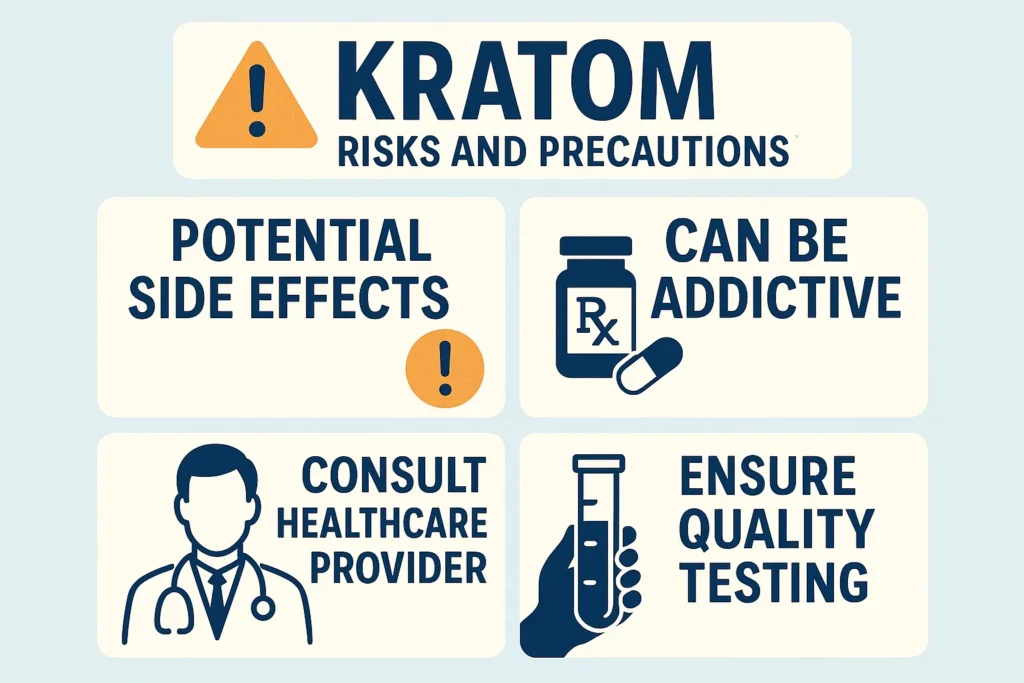
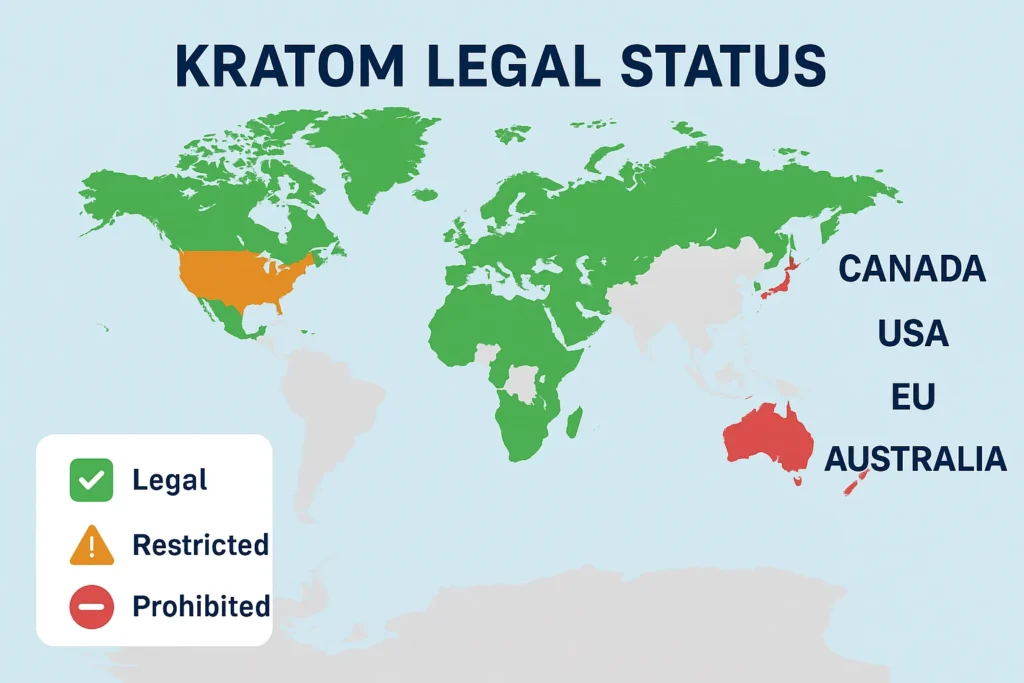
Canada’s regulatory approach to kratom differs significantly from other countries and regions.
International Perspectives
United States:
- Legal federally but banned in several states
- FDA has not approved for therapeutic use
- Active enforcement against health claims
- Ongoing regulatory debates
European Union:
- Banned in most EU member countries
- Classified as a controlled substance in many regions
- Strict import restrictions
- Limited research permitted
Australia:
- Recently reclassified for limited therapeutic use
- Requires prescription from authorized doctors
- Strict quality and safety requirements
- Ongoing research programs
Southeast Asian Countries:
- Mixed approaches in countries of origin
- Thailand recently legalized traditional use
- Malaysia maintains strict prohibitions
- Indonesia allows cultivation but restricts exports
Lessons from Other Jurisdictions
Canada’s current approach reflects several considerations:
- Precautionary principle prioritizing public safety
- Evidence-based regulation requiring scientific data
- Harm reduction rather than criminalization
- Flexibility for future policy adjustments
Frequently Asked Questions About Kratom in Canada
Kratom exists in a legal gray area in Canada. While it’s not explicitly banned under the Controlled Drugs and Substances Act, Health Canada has not approved it for human consumption. It can be sold as a “not for human consumption” product, but cannot be marketed as a health supplement or medicine.
Yes, you can find kratom in some specialty stores, head shops, and online retailers in Canada. However, it must be labeled as “not for human consumption” and cannot be sold as a dietary supplement or health product. Always purchase from reputable vendors who follow proper labeling requirements.
Kratom effects can vary based on dosage and strain. At lower doses, users report increased energy, focus, and sociability. At higher doses, it may produce sedative effects and pain relief. However, kratom can also cause side effects including nausea, constipation, dry mouth, and in some cases, dependency.
Importing kratom for personal use may be possible, but it’s risky and subject to seizure by customs. The Canada Border Services Agency may confiscate kratom shipments, especially if they’re labeled for human consumption. It’s safer to purchase from domestic Canadian sources.
If someone chooses to use kratom despite the legal uncertainties, starting with very small amounts is crucial. Kratom can interact with medications and has potential for dependency. It’s important to research thoroughly, understand the risks, and consult with healthcare providers, especially if you have existing health conditions.
Yes, kratom’s legal status in Canada could change. Health Canada continues to monitor kratom and could potentially ban it or approve it for specific uses. Some provinces or municipalities might also implement their own restrictions. It’s important to stay updated on current regulations in your area.
People report using kratom for various purposes including pain management, anxiety relief, energy enhancement, and as an aid for opioid withdrawal. However, these uses are not medically approved in Canada, and kratom’s effectiveness and safety for these purposes are not established by Health Canada.
Legal Alternatives and Considerations
For Canadians interested in natural wellness options, several legal alternatives exist that don’t carry kratom’s regulatory uncertainties.
Health Canada Approved Natural Products
Licensed Natural Health Products:
- Kava kava for relaxation (with proper licensing)
- Valerian root for sleep support
- Passionflower for stress management
- L-theanine for calm focus
- Ashwagandha for stress adaptation
Consulting Healthcare Professionals
Before considering any botanical supplement:
- Discuss with your doctor about your health goals
- Review medication interactions with pharmacists
- Consider evidence-based treatments first
- Explore licensed natural health products
- Work with qualified naturopaths if interested in botanical medicine
Building a Legal Wellness Routine
🌿 Natural wellness strategies that are fully legal and well-researched:
- Regular exercise and physical activity
- Meditation and mindfulness practices
- Proper sleep hygiene and stress management
- Balanced nutrition and hydration
- Social connection and community support
What This Means for Canadians
Understanding the complex legal status of kratom in Canada requires careful consideration of multiple factors and ongoing vigilance about changing regulations.
Key Recommendations
For Current Users:
- Stay informed about regulatory changes
- Avoid products with health claims
- Use only small, personal quantities
- Research vendor legitimacy carefully
- Consult healthcare providers about alternatives
For Those Considering Kratom:
- Explore legal alternatives first
- Understand the legal risks involved
- Research thoroughly before making decisions
- Consider waiting for clearer regulations
- Prioritize safety over convenience
For Healthcare Providers:
- Stay updated on current legal status
- Provide evidence-based information to patients
- Report adverse events to Health Canada
- Recommend legal alternatives when appropriate
- Support patients with non-judgmental care
The Bottom Line
Is kratom legal in Canada? The answer remains complex:
- Personal possession is not explicitly criminalized
- Commercial sale with health claims is prohibited
- Quality and safety are not regulated
- Future changes in regulation are possible
- Legal alternatives are available and may be safer
Conclusion
The question of kratom’s legal status in Canada reveals the complexity of regulating botanical products in modern healthcare systems. While kratom is not explicitly banned for personal use, it exists in a regulatory gray area that creates uncertainty for consumers, vendors, and healthcare providers alike.
Key takeaways for Canadians:
✅ Kratom is not criminally prohibited for personal possession, but regulatory restrictions apply to commercial sales and health claims
✅ Health Canada has not approved kratom as safe or effective for any therapeutic purpose
✅ Quality and safety concerns persist due to lack of standardized regulation and testing
✅ Legal alternatives exist that may provide similar benefits with better safety profiles
✅ Future regulatory changes are possible as more research becomes available
- Consult with healthcare providers about your wellness goals and legal alternatives
- Stay informed about regulatory developments through official government sources
- Prioritize safety by researching any products thoroughly before use
- Consider waiting for clearer regulations if you’re uncertain about legal risks
- Explore evidence-based treatments that are fully legal and well-researched
The kratom regulatory landscape in Canada will likely continue evolving as scientific evidence accumulates and policymakers balance public health concerns with individual choice. Whether kratom eventually gains approval as a natural health product or faces increased restrictions, staying informed and prioritizing safety will remain essential for anyone interested in botanical wellness options.
Daniel Brooks
Daniel Brooks is a U.S. based botanical writer with over six years of hands on experience in kratom focused content. He studies kratom strains, sourcing standards, dosage patterns, and consumer safety topics. He stays up to date with current news, regulatory changes, and market trends related to kratom and botanical products.
His work includes educational guides, strain breakdowns, and vendor reviews written for everyday users. He avoids promotional language and presents clear facts. Daniel helps readers understand both benefits and risks so they can make informed choices about responsible kratom use.