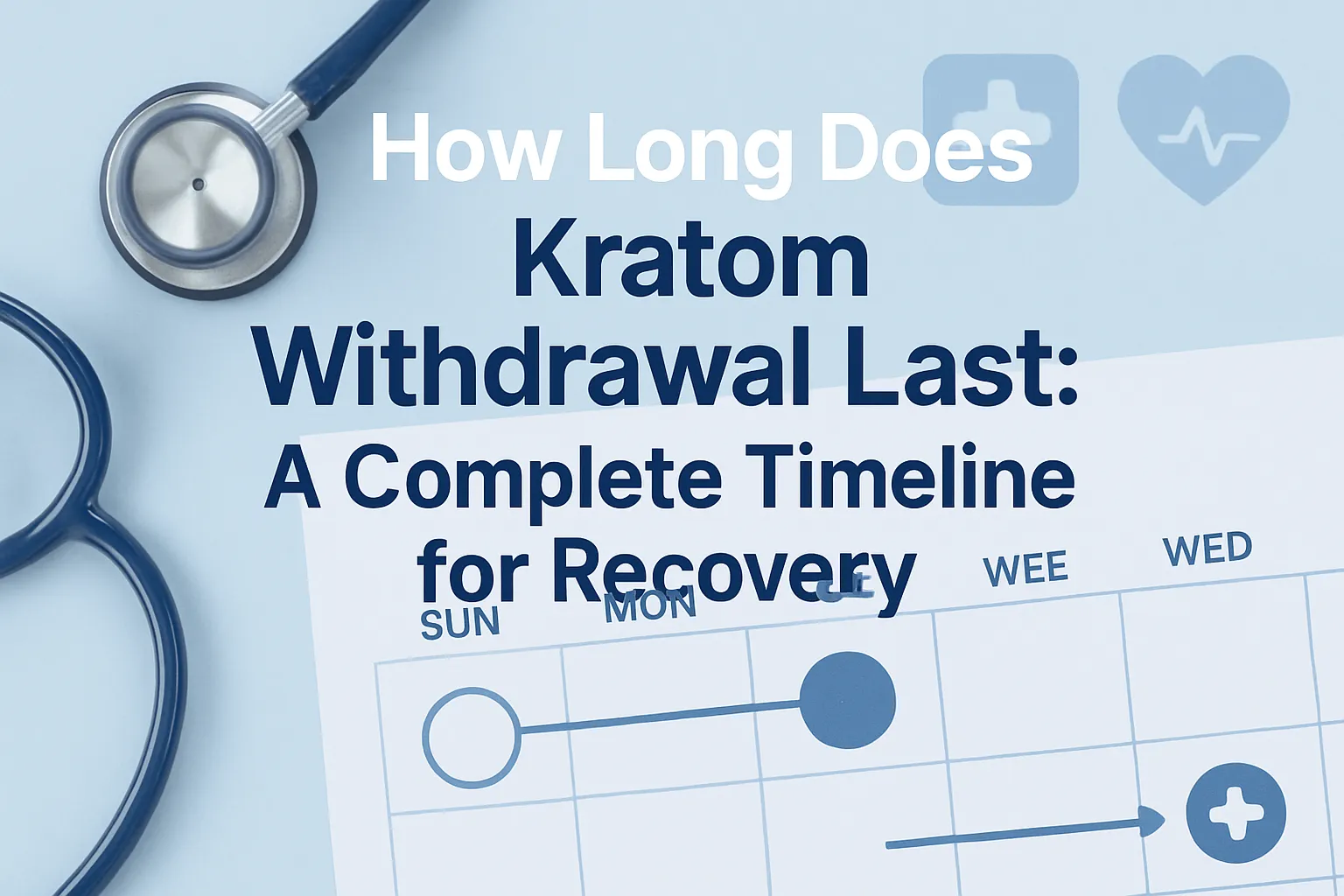
Quitting kratom after regular use raises one key question. How long does kratom withdrawal last. The answer depends on dose, frequency, and body chemistry. Most people feel early kratom withdrawal symptoms within 12 to 24 hours. Peak discomfort often hits between days two and four. Mild symptoms can linger for one to two weeks. Knowing the kratom withdrawal timeline helps you plan ahead. Clear expectations reduce anxiety. Preparation improves follow through. When you understand how long kratom withdrawal lasts, you stay in control and improve your chances of success.
- Kratom withdrawal typically lasts 3-7 days for most users, with peak symptoms occurring within the first 2-3 days
- Individual factors such as dosage, frequency of use, and personal physiology significantly impact withdrawal duration and severity
- Physical symptoms generally resolve faster than psychological symptoms, which may persist for several weeks
- Gradual tapering can reduce withdrawal duration and intensity compared to stopping abruptly
- Professional support and coping strategies can significantly improve the withdrawal experience and success rates
What Is Kratom Withdrawal?
Kratom withdrawal occurs when someone who has been using kratom regularly suddenly reduces their intake or stops completely. The body, which has adapted to the presence of kratom’s active compounds (primarily mitragynine and 7-hydroxymitragynine), must readjust to functioning without these substances.
Physical dependence can develop with regular kratom use, typically after several weeks or months of consistent consumption. This dependence is different from addiction, though the two can occur together. Physical dependence means the body has adapted to kratom’s presence and experiences withdrawal symptoms when use stops.
The severity and duration of kratom withdrawal can vary significantly between individuals. Factors such as genetics, overall health, mental state, and support systems all play crucial roles in determining how long withdrawal symptoms persist.
Factors That Influence How Long Kratom Withdrawal Lasts

Dosage and Frequency of Use
The amount of kratom consumed and how often it’s used are the most significant predictors of withdrawal duration:
- Low-dose users (1-5 grams per day): May experience mild withdrawal lasting 2-4 days
- Moderate users (5-15 grams per day): Typically face withdrawal symptoms for 4-7 days
- Heavy users (15+ grams per day): Can experience withdrawal lasting 7-14 days or longer
Frequency matters too. Someone taking kratom multiple times daily will likely experience longer withdrawal than someone using it once per day, even at similar total daily doses.
Duration of Use
Length of kratom use significantly impacts withdrawal timeline:
- Short-term use (less than 3 months): Withdrawal typically lasts 3-5 days
- Medium-term use (3-12 months): Expect 5-10 days of withdrawal symptoms
- Long-term use (over a year): May experience withdrawal lasting 1-3 weeks
Method of Discontinuation
How someone stops using kratom dramatically affects withdrawal duration:
- Cold turkey: Sudden cessation typically results in more intense but shorter withdrawal (3-7 days)
- Gradual tapering: Slowly reducing doses can extend the timeline but reduce severity (2-4 weeks total)
- Medical supervision: Professional guidance can optimize the withdrawal timeline
For those considering how to quit kratom, understanding these methods is crucial for planning an effective cessation strategy.
The Kratom Withdrawal Timeline: What to Expect
Look, kratom withdrawal hits differently than you’d expect. Symptoms kick in 6-12 hours after your last dose—anxiety creeps in, mood shifts, cravings start. Most people miss these early signals completely.
Days 1-3? That’s when things get real. You’re dealing with muscle pain, sleep issues, nausea, and psychological battles—anxiety, irritability, brain fog. This peak period separates casual users from those truly committed to quitting.
By day 7, physical symptoms fade. Energy returns, sleep improves, cravings weaken. But here’s what nobody tells you: some people face weeks of mood swings and low motivation afterward.
The timeline varies. Your body chemistry, usage patterns, and mindset determine your experience. Track your symptoms, stay hydrated, and consider professional support if withdrawal becomes overwhelming.
Kratom Withdrawal Timeline Calculator
Your Personalized Withdrawal Timeline
Comparing Kratom Withdrawal to Other Substances

Understanding how kratom withdrawal compares to other substances can provide helpful context:
Kratom vs. Opioid Withdrawal
While kratom affects some of the same receptors as opioids, kratom withdrawal is generally less severe:
| Aspect | Kratom Withdrawal | Opioid Withdrawal |
|---|---|---|
| Duration | 3-7 days typically | 5-10 days typically |
| Intensity | Mild to moderate | Moderate to severe |
| Physical symptoms | Manageable for most | Often requires medical support |
| Psychological symptoms | Anxiety, mood changes | Severe depression, panic |
| Medical risks | Generally low | Can be life-threatening |
Kratom vs. Caffeine Withdrawal
Interestingly, kratom withdrawal shares similarities with caffeine withdrawal:
- Both cause fatigue and mood changes
- Both involve headaches and irritability
- Kratom withdrawal typically lasts longer
- Caffeine withdrawal is usually milder overall
Kratom vs. Cannabis Withdrawal
Cannabis and kratom withdrawal have several similarities:
- Similar duration (3-7 days for acute symptoms)
- Sleep disturbances are common in both
- Mood changes and irritability
- Neither typically requires medical intervention
Symptoms During Kratom Withdrawal
Physical Symptoms
The physical aspects of kratom withdrawal can include:
Musculoskeletal symptoms:
- Muscle aches and stiffness
- Joint pain
- Restless legs
- General body discomfort
Gastrointestinal symptoms:
- Nausea
- Stomach cramping
- Diarrhea or constipation
- Loss of appetite
Neurological symptoms:
- Headaches
- Dizziness
- Tremors (in severe cases)
- Sensitivity to light and sound
Other physical symptoms:
- Runny nose and watery eyes
- Hot and cold flashes
- Excessive sweating
- Fatigue and low energy
Psychological Symptoms
The mental and emotional aspects often persist longer than physical symptoms:
Mood-related symptoms:
- Anxiety and nervousness
- Irritability and anger
- Depression or sadness
- Mood swings
Cognitive symptoms:
- Difficulty concentrating
- Memory problems
- Confusion or mental fog
- Reduced motivation
Behavioral symptoms:
- Cravings for kratom
- Sleep disturbances
- Social withdrawal
- Restlessness
Understanding how long for kratom to kick in can help people recognize when they might be experiencing withdrawal versus simply waiting for effects.
Strategies to Minimize Withdrawal Duration

Gradual Tapering
Tapering involves slowly reducing kratom doses over time rather than stopping abruptly. This approach can:
- Reduce withdrawal severity by 50-70%
- Extend the timeline but make symptoms more manageable
- Allow the body to adjust gradually
- Increase success rates for quitting
Sample tapering schedule:
- Week 1: Reduce daily dose by 25%
- Week 2: Reduce by another 25% (50% total reduction)
- Week 3: Reduce by another 25% (75% total reduction)
- Week 4: Discontinue completely
Natural Remedies and Supplements
Several natural approaches may help reduce withdrawal symptoms:
For physical symptoms:
- Magnesium: Helps with muscle aches and sleep
- Turmeric: Natural anti-inflammatory
- Hot baths: Soothe muscle tension
- Massage: Reduces physical discomfort
For psychological symptoms:
- Meditation: Reduces anxiety and cravings
- Deep breathing: Manages stress and panic
- Chamomile tea: Promotes relaxation
- L-theanine: Supports calm alertness
Kratom Withdrawal Timeline: Real Recovery Experience Over 30 Days
Quitting after 8 months of daily use wasn’t easy. Here’s the brutal truth.
Days 1-3: Restlessness kicked in hard. Sleep became impossible. Muscle aches everywhere. Anxiety spiked.
Days 4-7: Physical symptoms peaked. Cold sweats at night. Zero appetite. Fatigue crushed productivity.
Days 8-14: Things improved slowly. Sleep returned partially. Mood swings continued. Cravings hit randomly.
Days 15-30: Energy levels normalized. Mental clarity came back. Occasional insomnia lingered.
The reality? Acute phase lasted 10 days. Lingering effects stretched 3 weeks. Hydration and exercise helped significantly.
Frequently Asked Questions
What is kratom withdrawal?
Kratom withdrawal refers to physical or psychological symptoms that may appear after stopping regular kratom use. These effects are linked to changes in how the body adapts to repeated exposure. Not everyone experiences withdrawal, and severity can vary based on usage patterns, dose, and individual sensitivity.
What are common kratom withdrawal symptoms?
Symptoms reported by some users tend to be mild to moderate and often resemble caffeine or opioid like withdrawal effects.
- Restlessness or irritability
- Fatigue and low energy
- Muscle aches or stiffness
- Sleep disruption
- Mood changes
How long does kratom withdrawal last?
Withdrawal duration varies. For many people, symptoms begin within one to two days after stopping and peak within the first week. Mild effects may resolve in several days, while others report lingering discomfort for one to two weeks depending on frequency and amount of prior use.
Is kratom withdrawal dangerous?
Available reports suggest kratom withdrawal is generally not life threatening. Symptoms are usually uncomfortable rather than severe. However, individual responses differ, especially for those with underlying health conditions or long term heavy use. Anyone experiencing severe or unusual symptoms should seek professional medical advice.
What factors affect kratom withdrawal intensity?
Several factors influence how strongly withdrawal may be felt.
- Daily dose and potency used
- Length of regular use
- Frequency of dosing
- Individual metabolism and health
Can kratom withdrawal cause anxiety or depression?
Some individuals report temporary anxiety, low mood, or emotional sensitivity during withdrawal. These effects are often short lived and linked to changes in brain chemistry as the body adjusts. Severity and duration vary, and symptoms typically improve as normal balance returns.
Is tapering kratom better than stopping suddenly?
Many users report fewer withdrawal symptoms when gradually reducing intake instead of stopping abruptly. Tapering allows the body to adjust slowly.
- Lower daily dose step by step
- Increase time between doses
- Avoid increasing strength during taper
Are kratom withdrawal symptoms the same for everyone?
No. Responses differ widely between individuals. Some people notice little to no discomfort, while others experience multiple symptoms. Genetics, lifestyle, mental health, and overall wellness all play a role in how the body reacts after stopping kratom use.
Conclusion
Understanding how long kratom withdrawal lasts provides crucial insight for anyone considering discontinuing use or currently experiencing withdrawal symptoms. While the typical withdrawal timeline spans 3-7 days for most users, individual experiences can vary significantly based on factors like dosage, frequency of use, duration of use, and personal physiology.
Daniel Brooks
Daniel Brooks is a U.S. based botanical writer with over six years of hands on experience in kratom focused content. He studies kratom strains, sourcing standards, dosage patterns, and consumer safety topics. He stays up to date with current news, regulatory changes, and market trends related to kratom and botanical products.
His work includes educational guides, strain breakdowns, and vendor reviews written for everyday users. He avoids promotional language and presents clear facts. Daniel helps readers understand both benefits and risks so they can make informed choices about responsible kratom use.
Ryan Mitchell
Ryan Mitchell reviews and approves all kratom and botanical content before it is published. He has worked in the botanical space since 2013 and has been closely involved in kratom education, sourcing standards, and product evaluation.
Ryan actively supports responsible kratom use and spends time engaging with user communities where botanicals are discussed in detail. He has guided tens of thousands of customers through product selection and usage questions over the years. He works directly with trusted growers and suppliers to verify quality. He also ensures third party lab testing is completed so products meet safety and purity expectations before reaching the public.