
Quitting kratom isn’t easy. Your body fights back. Withdrawal hits hard for some users. But knowing what to expect changes everything. Understanding how to detox from kratom safely makes the process manageable. This guide walks through every step. No fluff. Just what works.
- Withdrawal starts within 12-24 hours after your last dose and peaks during days 3-7
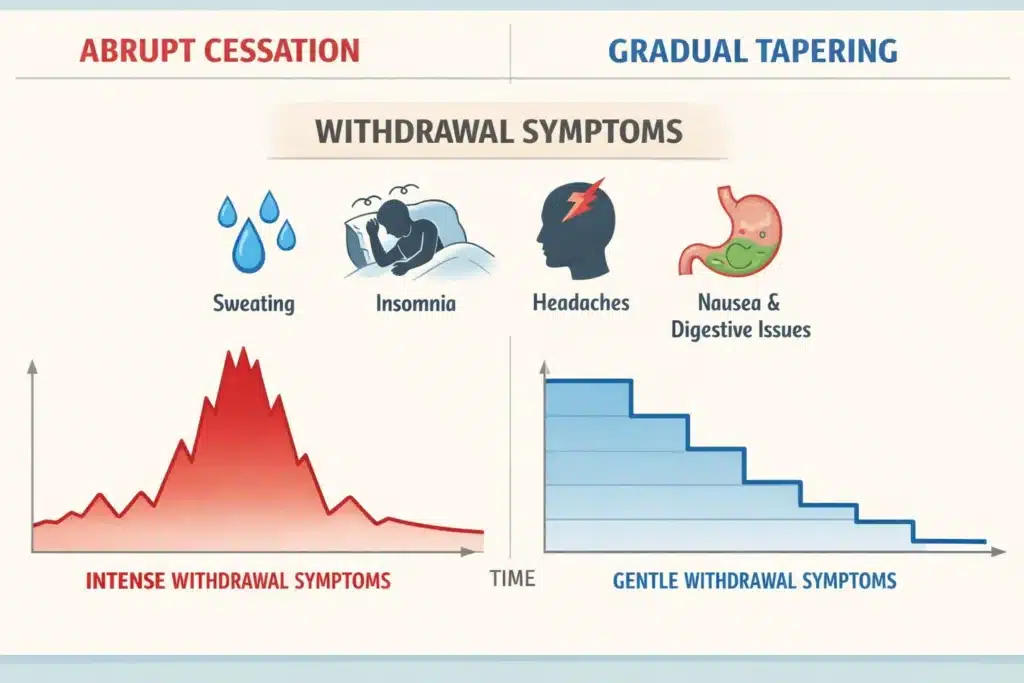
- Tapering works better than quitting cold turkey for reducing symptom severity
- Most people stabilize within 2-4 weeks with proper hydration, rest, and support
- Professional help significantly improves success rates and manages severe symptoms
- Individual factors like dosage and duration directly impact withdrawal intensity
Understanding Kratom Withdrawal
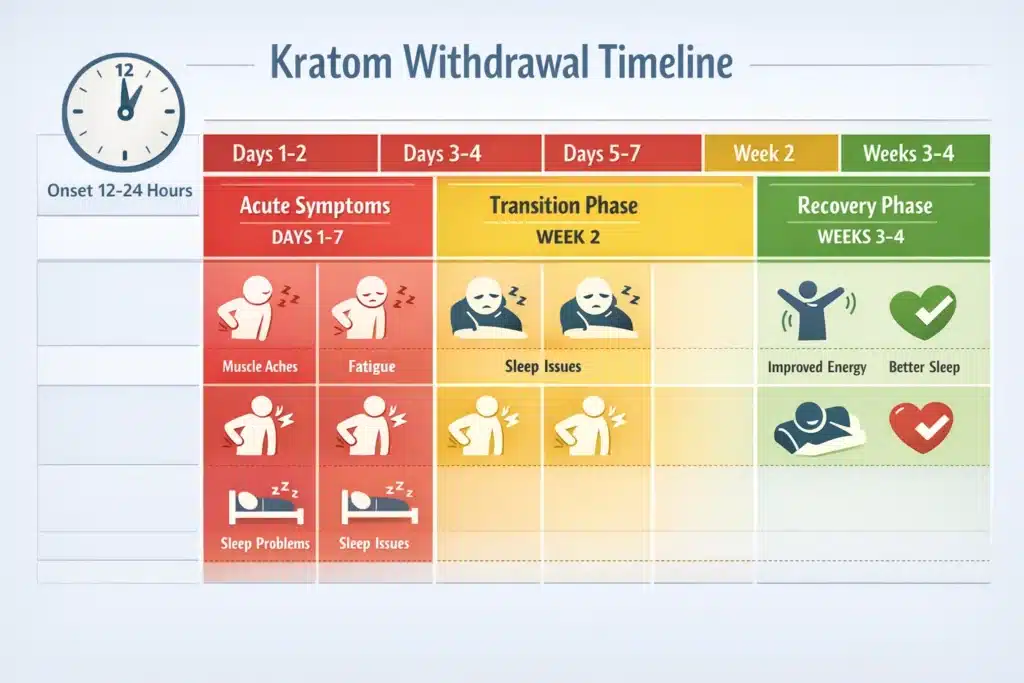
Kratom acts on opioid receptors. Your brain adapts to regular use. Stop taking it suddenly? Your system rebels.
Withdrawal happens because of physical dependence. Not everyone experiences it the same way. How often you take kratom matters significantly.
Who Gets Withdrawal Symptoms?
Regular users face the highest risk. Daily dosing creates dependence faster. Research shows 66.7% of users with over one year of experience meet criteria for Kratom Use Disorder.[1]
Higher doses increase withdrawal severity. Long-term use makes symptoms last longer. Quality varies between products too.
Most users develop tolerance first. Then physical dependence follows. Cravings come next.
Physical Dependence vs. Addiction
Physical dependence differs from addiction. Your body needs kratom to feel normal. That’s dependence.
Addiction involves compulsive use despite harm. Both can happen together. But they’re not identical.
Withdrawal proves physical dependence exists. Your brain chemistry has changed. It needs time to reset.
How to Detox From Kratom: Timeline Breakdown
Knowing the timeline helps you prepare. Each phase brings different challenges. Here’s what to expect.
| Timeline | Phase | Key Symptoms | What’s Happening |
|---|---|---|---|
| Hours 0-24 | Onset Phase | • Mild anxiety • Restlessness • Slight muscle tension • Irritability • Yawning | Symptoms start within 12-24 hours after last dose. Feels subtle at first but builds gradually. Don’t underestimate this phase. |
| Days 1-3 | Peak Intensity | • Intense muscle aches • Severe fatigue • Heavy sweating • Chills and hot flashes • Nausea and vomiting • Diarrhea • Pounding headaches • Sleep disturbances • Heightened anxiety | This is the hardest stretch. Physical symptoms hit their strongest. Your body is recalibrating. Stay hydrated, rest, and consult a doctor if unbearable. |
| Days 4-7 | Acute Phase Continues | • Reduced muscle pain • Less severe digestive issues • Improving sleep (slightly) • Persistent fatigue • Mood swings • Continued cravings | Physical symptoms start declining but still present. Energy remains low. Duration varies by individual factors. |
| Weeks 2-4 | Post-Acute Phase | • Low energy levels • Lingering anxiety • Sleep pattern disruptions • Strong cravings • Depression or mood changes • Difficulty concentrating | Physical symptoms fade significantly. Psychological challenges emerge. Brain chemistry is still healing—this is normal. |
| Month 2+ | Full Recovery | • Occasional cravings (manageable) • Improved stability • Normalized brain chemistry | Most people feel stable within weeks, but complete recovery takes months. Address root causes for long-term success. |
The acute withdrawal phase lasts 3-7 days for most people. Recovery accelerates with proper support, hydration, rest, and professional guidance.
Common Withdrawal Symptoms Explained
Look, kratom withdrawal hits hard because your body’s fighting back. Here’s the real deal.
Physical symptoms you’ll face:
- Muscle pain from opioid receptors readjusting
- Digestive chaos lasting 3-5 days
- Temperature swings as your system recalibrates
- Crushing fatigue that sleep won’t immediately fix
- Headaches from dehydration and blood flow changes
Psychological battles:
- Rebound anxiety peaking days 2-4
- Irritability through the roof
- Depression as your brain relearns producing natural chemicals
- Intense cravings, especially during stress
What makes it worse? Higher dosage equals harder withdrawal. Long-term use extends symptoms. Your metabolism, mental health history, and kratom potency all factor in.
🌿 Kratom Detox Timeline Calculator
Get your personalized withdrawal timeline and symptom expectations
Step-by-Step Guide: How to Detox From Kratom Safely
Listen, quitting kratom isn’t rocket science, but you need a strategy. Here’s what actually works:
Two proven methods:
Gradual Tapering (My Top Pick) Tapering beats cold turkey every time. Cut your dose 25% weekly over four weeks. Week 1: Drop 25%. Week 2: Another 25%. Week 3: Down to 25% of original. Week 4: Done.
Pro tips:
- Measure precisely
- Journal everything
- Never increase doses
Cold Turkey (The Hard Way) Quit immediately—intense but fast. Only works if you’re a light user (under 3 months, less than 5 grams daily) with medical backup.
User Experience: Kratom Detox Journey With Premium Strains
A long-term kratom user decided to detox after 18 months of daily White Maeng Da consumption. The withdrawal wasn’t pleasant—restless legs, anxiety, and insomnia lasted five days.
Quality matters. This user had sourced from reputable vendors with lab testing. Premium strains like Red Bali eased the transition better than cheaper alternatives.
Pricing played a role. Budget constraints led to inconsistent strain rotation, potentially worsening dependency.
The takeaway? Kratom works brilliantly short-term. Long-term daily use creates tolerance. Cycling strains, taking tolerance breaks, and investing in quality products prevents dependence issues.
Not everyone’s experience, but worth considering before committing to daily kratom supplementation.
Supporting Your Detox: Practical Strategies
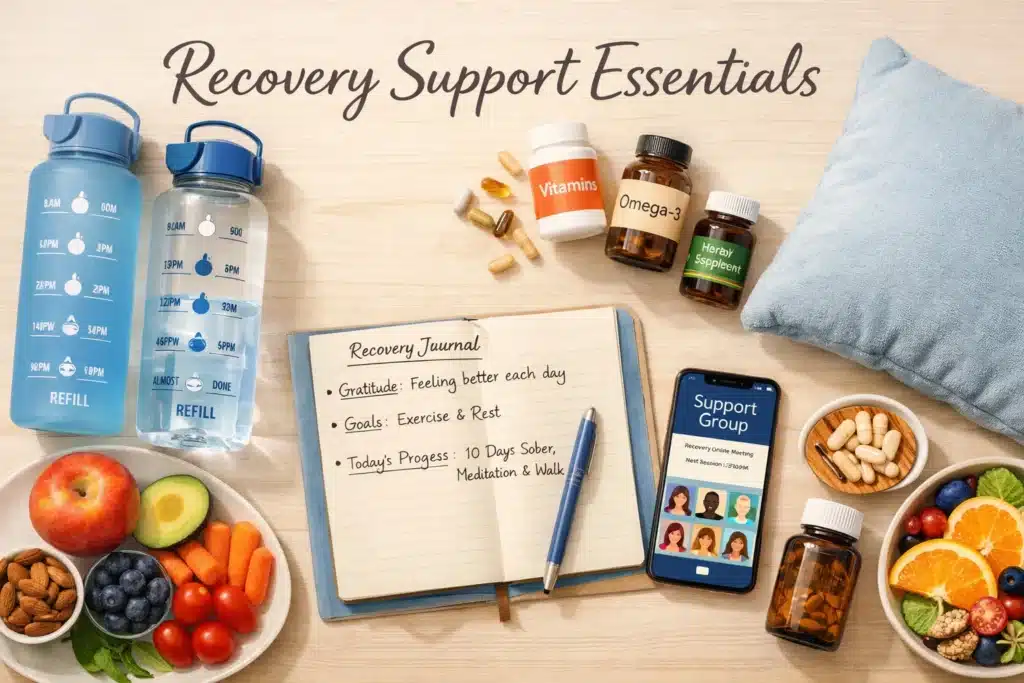
These tactics reduce suffering. They speed recovery. Try everything that fits.
Hydration and Nutrition
Water is critical. Aim for 8-10 glasses daily. Dehydration worsens symptoms. Sweating and diarrhea deplete fluids.
Electrolyte drinks help. Replace lost minerals. Sports drinks work. Coconut water is better.
Eat clean, whole foods:
- Lean proteins (chicken, fish, eggs)
- Fresh vegetables and fruits
- Whole grains for sustained energy
- Healthy fats (avocado, nuts, olive oil)
Avoid:
- Caffeine (increases anxiety)
- Sugar (causes energy crashes)
- Processed foods (harder to digest)
- Alcohol (delays recovery)
Small, frequent meals work best. Nausea makes eating hard. Don’t force it.
Rest and Sleep Hygiene
Sleep gets disrupted. But you need rest desperately. Create ideal conditions.
Sleep strategies:
- Keep bedroom cool and dark
- Stick to consistent bedtime
- Avoid screens 2 hours before sleep
- Try hot bath before bed
- Use white noise if helpful
Naps are okay during acute phase. Your body needs recovery time. Don’t fight fatigue.
Physical Activity
Exercise helps tremendously. But start gentle. Your energy is low.
Recommended activities:
- Short walks (10-15 minutes)
- Light stretching
- Gentle yoga
- Swimming if available
Movement releases natural endorphins. Improves mood. Reduces muscle aches. Start small and build gradually.
Avoid intense workouts during acute phase. They’ll exhaust you. Wait until week 2.
Natural Supplements
Some supplements ease symptoms. Research is limited. But many users report benefits.
Commonly used supplements:
- Magnesium: Reduces muscle cramps and anxiety
- L-theanine: Promotes calm without sedation
- Valerian root: Supports sleep
- Vitamin C: Some users report reduced symptoms
- CBD: May reduce anxiety (check laws)
Important: Consult doctor before taking supplements. Interactions can occur. Quality varies significantly.
Support Systems
Don’t detox alone. Support improves success rates dramatically.
Build your support network:
- Tell trusted friends/family
- Join online support groups
- Consider professional counseling
- Find accountability partner
- Attend support group meetings
Isolation increases relapse risk. Connection provides motivation. Others understand your struggle.
Frequently Asked Questions
What does detoxing from kratom mean?
Detoxing from kratom means allowing your body to adjust after stopping or reducing use. It focuses on managing short term discomfort while your system returns to baseline. People often use rest, hydration, and routine support rather than products or programs to get through this adjustment period safely.
How long does kratom detox usually last?
The detox timeline varies by dose, frequency, and personal factors. Many people notice the strongest effects within the first few days, followed by gradual improvement. Mild symptoms may linger for one to two weeks. Experiences differ, so timelines should be viewed as general ranges rather than fixed outcomes.
What symptoms can occur during kratom detox?
Some people report physical and mental changes during detox. Commonly mentioned experiences include the following.
- Low energy or fatigue
- Restlessness or sleep disruption
- Mood changes or irritability
- Digestive discomfort
Is it better to taper kratom or stop all at once?
Many choose tapering to reduce sudden changes, while others stop all at once based on preference. Tapering means gradually lowering intake over time. This approach may feel more manageable for some. Stopping at once may feel faster but more intense. Personal comfort and routine often guide this choice.
What can help support the body during kratom detox?
Basic self care habits often support the adjustment process. People commonly focus on simple actions like these.
- Drinking enough water daily
- Eating balanced meals
- Maintaining a regular sleep schedule
- Using light movement such as walking
Can supplements or herbal products help with kratom detox?
Some people explore supplements or herbal products, but effects vary and evidence is limited. These products are not required for detox. A cautious approach focuses first on rest, nutrition, and routine. If you consider adding anything new, start slowly and pay attention to how your body responds.
Is kratom detox dangerous?
Most people describe kratom detox as uncomfortable rather than dangerous. The experience depends on usage patterns and personal health. Severe or unexpected symptoms should not be ignored. If detox feels overwhelming or unmanageable, seeking professional guidance can provide reassurance and structure during the process.
When should someone seek help during kratom detox?
Support may be useful when symptoms interfere with daily life. People often look for help in situations like these.
- Ongoing sleep loss for several days
- Severe mood changes
- Inability to function at work or home
- Concerns about relapse
Conclusion
How to detox from kratom safely requires preparation. Understanding the timeline helps tremendously. Knowing symptoms reduces fear.
Tapering works better than cold turkey. Professional support improves success rates. Individual factors determine your experience.
Recovery is possible. Thousands have successfully quit. You can too.
The first week is hardest. Push through it. Week two brings relief. By week four, you’ll feel significantly better.
Don’t go through this alone. Professional guidance and support make everything easier. Your future self will thank you.
References
[1] Recent Research On Kratom Use Clinical Applications And Public Health Implications – https://www.ralali.com/indonesia-supplier/kratom/recent-research-on-kratom-use-clinical-applications-and-public-health-implications/
[2] How Long Do Kratom Withdrawals Last – https://atlantadetoxtreatment.com/2026/01/22/how-long-do-kratom-withdrawals-last/
[4] Kratom Withdrawal Case Epidemiology Incidence Prevalence – https://www.psychiatrist.com/pcc/kratom-withdrawal-case-epidemiology-incidence-prevalence/
Daniel Brooks
Daniel Brooks is a U.S. based botanical writer with over six years of hands on experience in kratom focused content. He studies kratom strains, sourcing standards, dosage patterns, and consumer safety topics. He stays up to date with current news, regulatory changes, and market trends related to kratom and botanical products.
His work includes educational guides, strain breakdowns, and vendor reviews written for everyday users. He avoids promotional language and presents clear facts. Daniel helps readers understand both benefits and risks so they can make informed choices about responsible kratom use.
Ryan Mitchell
Ryan Mitchell reviews and approves all kratom and botanical content before it is published. He has worked in the botanical space since 2013 and has been closely involved in kratom education, sourcing standards, and product evaluation.
Ryan actively supports responsible kratom use and spends time engaging with user communities where botanicals are discussed in detail. He has guided tens of thousands of customers through product selection and usage questions over the years. He works directly with trusted growers and suppliers to verify quality. He also ensures third party lab testing is completed so products meet safety and purity expectations before reaching the public.