
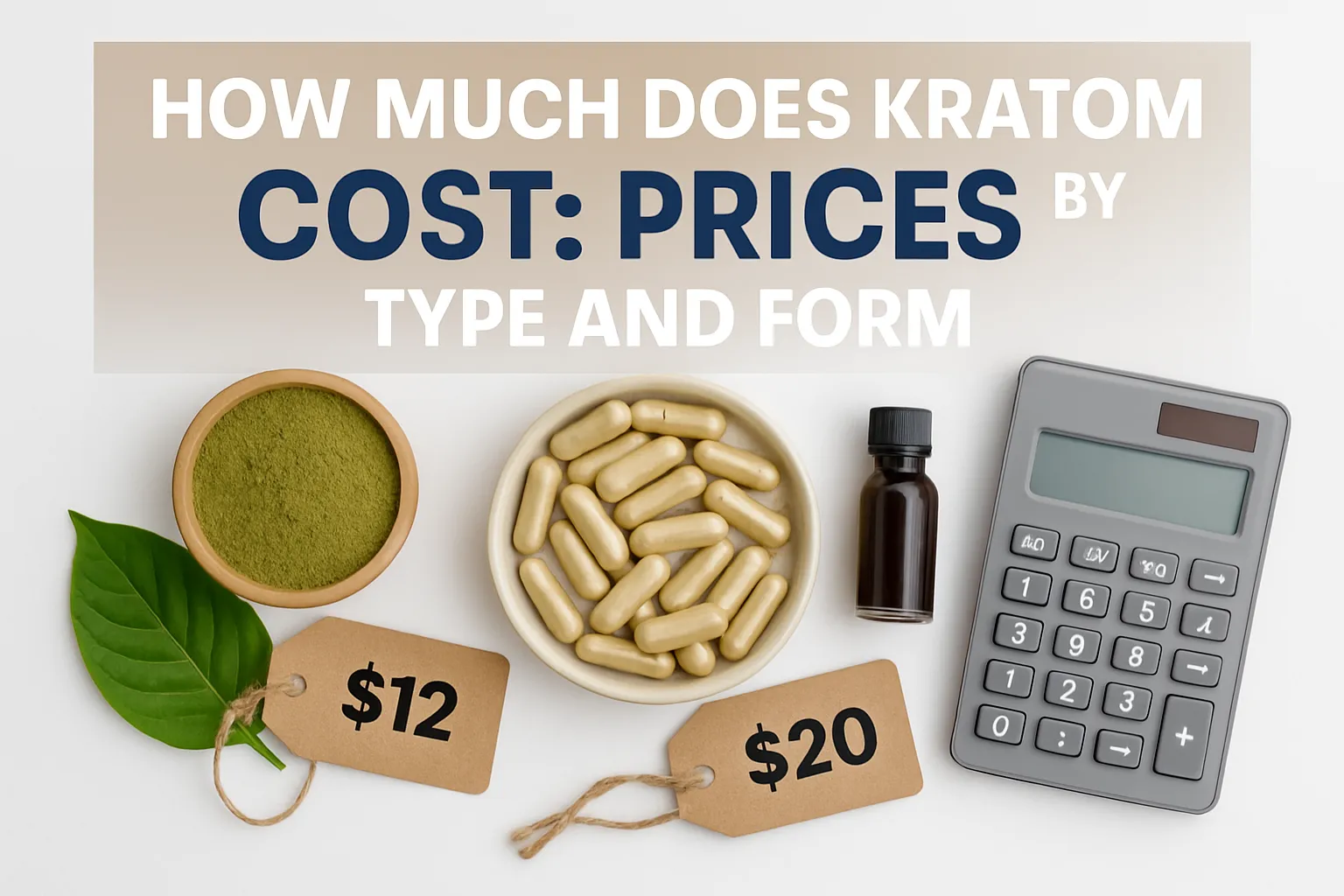
How Much Does Kratom Cost depends on quality, source, and purchase size. The kratom market is growing fast, with millions of Americans using it as part of their wellness routine. Prices can range from around $8 per ounce to over $300 per kilogram. Knowing these price differences helps you compare value, avoid overpaying, and make smarter buying decisions.
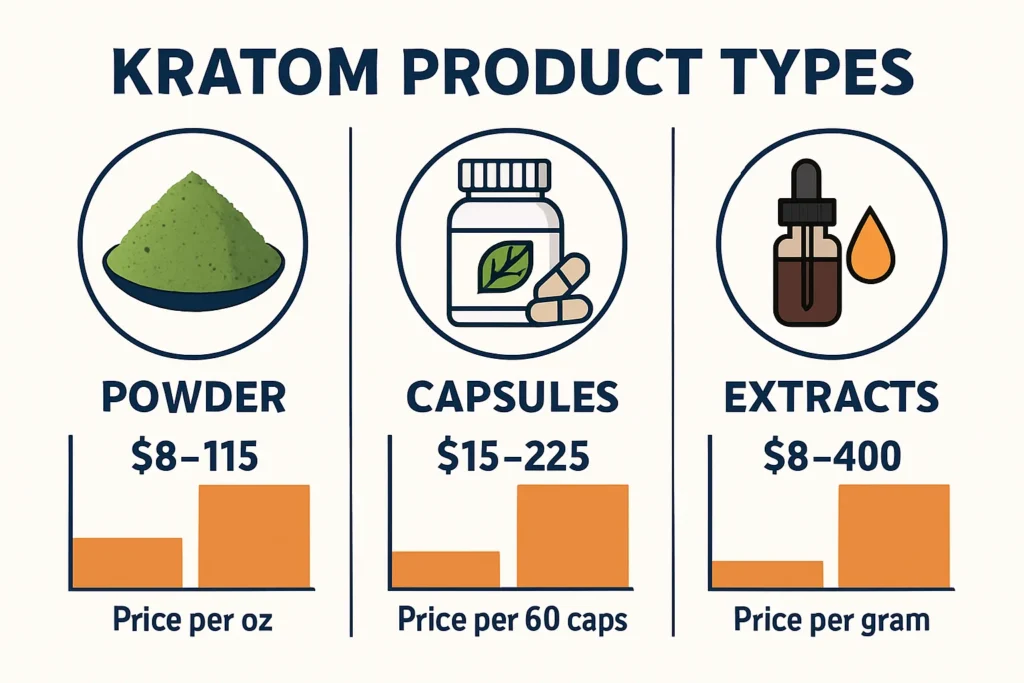
- Kratom powder costs typically range from $8-$15 per ounce, with bulk purchases offering significant savings
- Premium strains and extracts command higher prices, often 2-3 times more than standard powder forms
- Vendor reputation and quality testing directly impact pricing, with certified products costing more but offering better value
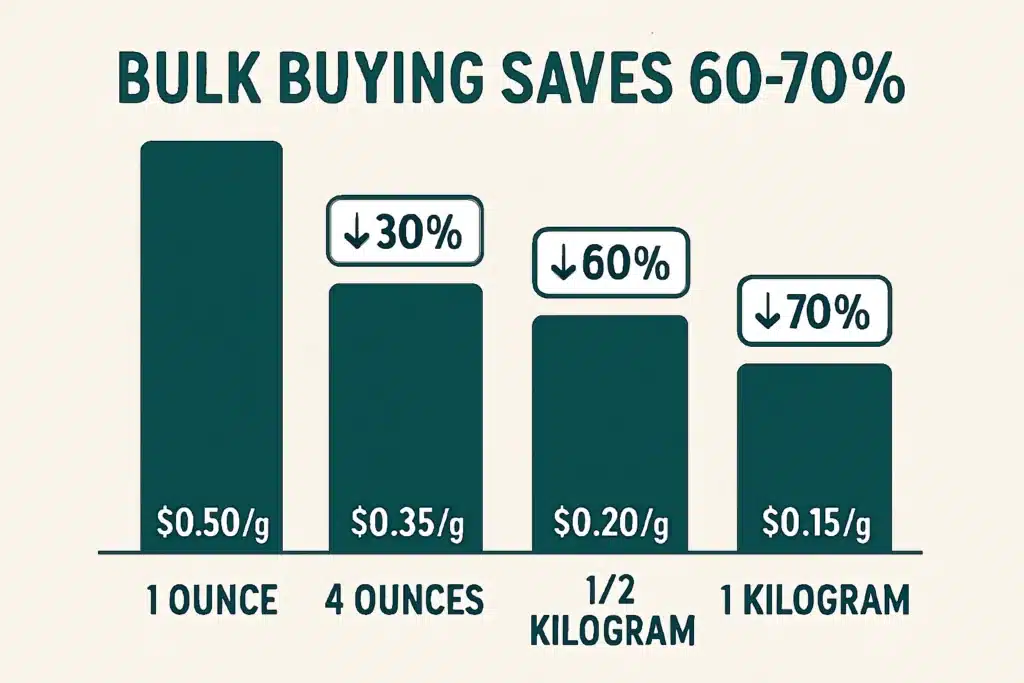
- Bulk purchasing can reduce costs by 30-50%, making kilograms the most economical option for regular users
- Geographic location and legal status affect availability and pricing in different states and regions
Understanding Kratom Pricing
kratom pricing isn’t random. It starts with sourcing—Indonesian and Malaysian farmers control the supply chain. Quality matters here.
Lab testing? That’s your 15-25% cost bump right there. But here’s the thing: it guarantees safety and potency. Worth it.
- Processing methods – Traditional drying versus specialized extracts create massive price gaps
- Import regulations – Shipping costs and compliance fees add up fast
- Regional competition – Supply chains determine who pays what
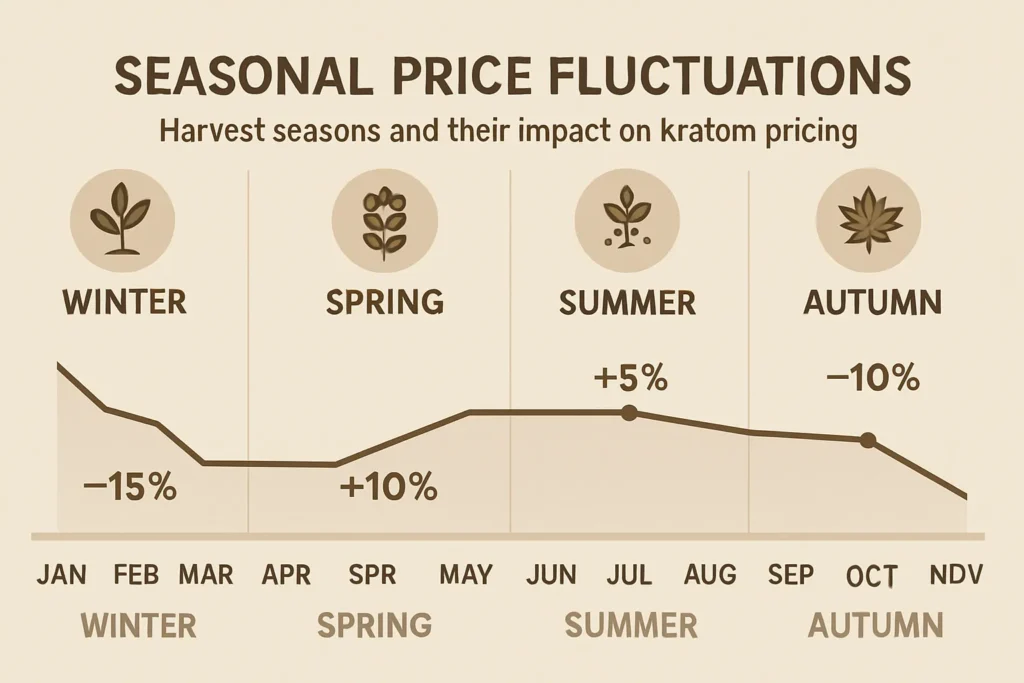
- Seasonal harvests – Expect 10-20% price fluctuations throughout the year
You’re paying for transparency and quality control. The vendors cutting corners on testing? They’re saving money at your expense.
Smart buyers understand this. They know cheap kratom usually means compromised quality. Focus on verified sources with consistent lab testing. That’s where real value lives.
Kratom Powder Pricing: The Most Popular Form
Listen, here’s the deal with kratom pricing. Most vendors follow a simple demand-supply model for red, white, and green vein strains.
Standard Pricing Structure:
- 1 oz: $8-$15
- 4 oz: $25-$45
- 8 oz: $45-$80
- 1 kg: $80-$150
Red veins typically cost $1-$3 more per ounce—why? Evening-use popularity drives demand. Green strains? They’re competitively priced and perfect for beginners.
Premium Tier:
- Bentuangie fermented: $12-$20/oz
- Limited harvests: $15-$25/oz
- Authentic Maeng Da: $10-$18/oz
Specialty strains run 25-50% higher, but here’s the reality: they justify the premium through unique processing and scarcity.
Bottom line? Standard strains deliver serious value. Premium options are worth it if you understand what you’re paying for. Choose based on your needs, not hype.
Kratom Capsule Pricing and Convenience Costs
kratom capsules are convenient—but you’re paying 40-60% more than powder. Here’s the reality:
Standard Pricing:
- 60 capsules (30g): $15-$25
- 120 capsules (60g): $25-$45
- 300 capsules (150g): $55-$95
- 1000 capsules (500g): $150-$280
A kilo of powder costs $100; capsules hit $300-$400. Daily users lose hundreds annually. Vegetarian and delayed-release capsules cost even more.
My recommendation: Use powder if you’re consuming 2-3+ grams daily. Save capsules for travel. The convenience premium only makes sense for occasional users.
Kratom Extract Pricing: Premium Potency Products
Listen up—kratom extracts aren’t cheap, and there’s solid reasoning behind that. You’re paying for concentrated alkaloids and sophisticated extraction methods that regular powder can’t match.
Price Reality Check:
- 10:1 extract (1g): $8-$15
- 20:1 extract (1g): $15-$25
- 50:1 extract (1g): $25-$40
- Enhanced powders: $20-$35/ounce
- Full-spectrum: $30-$50/gram
Here’s what matters: focus on cost-per-effect, not just price tags. That $20 gram of 20:1 extract? It matches $40 worth of standard powder—better economics.
Quality separates winners from losers. Budget extracts use subpar materials that waste your money. Premium options deliver consistent results worth the investment.
Extract ratios and alkaloid content determine pricing. Higher concentration means steeper prices but superior value. Smart buyers calculate potency-per-dollar instead of chasing low prices. Quality extraction processes cost more upfront but pay off through effectiveness and reliability.
🌿 Kratom Cost Calculator
Bulk Purchasing: How Much Does Kratom Cost in Larger Quantities?
kratom extracts separate serious buyers from amateurs. Your investment scales with concentration ratios and alkaloid density. Here’s the breakdown:
- 1g 10:1 extract: $8-$15
- 1g 20:1 extract: $15-$25
- 1g 50:1 extract: $25-$40
- Enhanced powders: $20-$35/ounce
- Full-spectrum extracts: $30-$50/gram
Stop fixating on price tags. Think potency per dollar. That $20 gram of 20:1 concentration equals $40 worth of standard powder—simple math.
Quality determines everything. Bargain extracts burn cash without results. Premium selections deliver actual value. Calculate your true cost per serving, not surface-level numbers.
Make data-driven decisions. Track what works. Optimize spending based on measurable outcomes—not gut feelings or flashy marketing. Your wallet thanks you later.
Quality vs. Price: Finding the Sweet Spot
Evaluating kratom value requires balancing price considerations against quality indicators, vendor reputation, and personal satisfaction. The cheapest option rarely provides the best value, while the most expensive products don’t always justify their premium pricing.
Key value indicators include:
- Consistency across multiple orders and batches
- Potency relative to price per effective dose
- Purity through third-party testing and verification
- Customer service quality and responsiveness
- Shipping reliability and packaging quality
- Satisfaction guarantees and return policies
Cost-per-effective-dose provides a more accurate value assessment than simple price-per-gram calculations. High-quality kratom requiring smaller doses may offer better value than cheaper alternatives requiring larger amounts for similar effects.
Overpriced Kratom
Price manipulation tactics exist throughout the kratom market, with some vendors using marketing language, false scarcity, or unsubstantiated claims to justify excessive pricing. Informed consumers can avoid these traps through careful evaluation.
Warning signs of overpriced kratom include:
- Prices more than 50% above market averages without clear justification
- Excessive marketing claims about potency or uniqueness
- Pressure tactics emphasizing limited availability or time-sensitive pricing
- Lack of third-party testing or quality documentation
- No clear return policy or satisfaction guarantee
- Vendor reluctance to provide sourcing information
Premium pricing justifications that merit consideration include documented third-party testing, direct farmer relationships, specialized processing methods, GMP certification, and established vendor reputation with positive customer feedback.
Frequently Asked Questions
What factors influence the cost of kratom?
Kratom pricing depends on several production and supply factors rather than a single fixed rule. Vendors usually adjust prices based on these elements.
- Leaf quality and maturity at harvest
- Processing methods such as drying and grinding
- Labor, sourcing, and import logistics
- Testing, packaging, and storage practices
Why does kratom pricing vary between vendors?
Vendors operate with different sourcing models and overhead costs, which leads to price variation. Some work directly with farms, while others rely on distributors. Differences in quality control, testing frequency, customer support, and inventory handling also affect how vendors structure their kratom prices.
Does kratom strain type affect pricing?
Strain names alone do not determine kratom cost, but sourcing consistency can influence pricing. Certain strains may be harvested less frequently or require more sorting. When availability fluctuates, vendors may price those batches differently compared to more commonly stocked varieties.
Is kratom powder usually cheaper than capsules?
In most cases, kratom powder costs less than capsules because it requires fewer processing steps. Capsules involve additional materials and labor, which increases production costs.
- Capsule filling adds manufacturing time
- Capsules require extra packaging
- Powder is sold in a more direct form
How does quality testing impact kratom pricing?
Quality testing adds operational costs that can affect pricing. Vendors who invest in consistent lab testing often factor those expenses into their prices. Testing typically focuses on safety and consistency, which helps standardize batches and reduce quality variation over time.
Does buying kratom in larger quantities lower the cost?
Larger quantities often reduce the cost per unit because packaging and handling are spread across more product. This pricing structure reflects logistics efficiency rather than a change in quality. Buyers should still evaluate freshness and storage conditions when considering quantity based pricing.
How do shipping and handling affect kratom prices?
Shipping and handling costs influence kratom pricing, especially for imported products. These expenses are not always shown separately but are included in overall pricing.
- International transport and customs clearance
- Domestic warehousing and fulfillment
- Protective packaging for freshness
Are kratom prices affected by seasonal changes?
Seasonal factors can impact kratom availability, which may influence pricing. Weather conditions affect harvest cycles and leaf yield. When supply tightens or shipping slows during certain periods, vendors may adjust prices to reflect sourcing challenges.
Is higher priced kratom always better quality?
A higher price does not automatically mean better quality. Pricing reflects many factors, including testing, sourcing, and overhead. Evaluating transparency, batch information, and handling practices provides better insight into quality than price alone.
Why do kratom prices change over time?
Kratom prices change due to shifts in supply chains, regulatory costs, and operational expenses. Market demand and import conditions also play a role. These changes are usually gradual and reflect broader industry conditions rather than sudden quality differences.
Conclusion
Understanding how much kratom costs requires considering multiple factors beyond simple price comparisons. Quality, vendor reputation, product form, and purchasing strategy all significantly impact the true value of kratom purchases.
Smart kratom purchasing involves balancing immediate costs against long-term value, considering factors like consistency, potency, safety testing, and vendor reliability. While budget options exist, investing in quality products from reputable vendors typically provides better value through improved effects, safety assurance, and customer satisfaction.
Daniel Brooks
Daniel Brooks is a U.S. based botanical writer with over six years of hands on experience in kratom focused content. He studies kratom strains, sourcing standards, dosage patterns, and consumer safety topics. He stays up to date with current news, regulatory changes, and market trends related to kratom and botanical products.
His work includes educational guides, strain breakdowns, and vendor reviews written for everyday users. He avoids promotional language and presents clear facts. Daniel helps readers understand both benefits and risks so they can make informed choices about responsible kratom use.
Ryan Mitchell
Ryan Mitchell reviews and approves all kratom and botanical content before it is published. He has worked in the botanical space since 2013 and has been closely involved in kratom education, sourcing standards, and product evaluation.
Ryan actively supports responsible kratom use and spends time engaging with user communities where botanicals are discussed in detail. He has guided tens of thousands of customers through product selection and usage questions over the years. He works directly with trusted growers and suppliers to verify quality. He also ensures third party lab testing is completed so products meet safety and purity expectations before reaching the public.