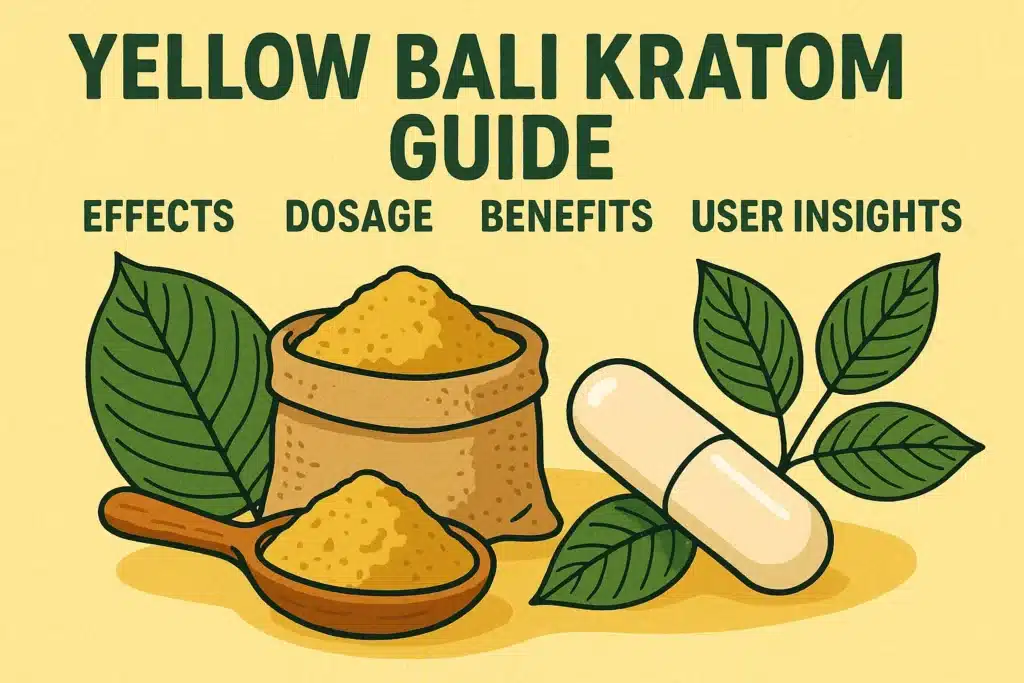
The world of kratom can feel overwhelming with its dozens of strains and varying effects, but Yellow Bali Kratom stands out as a unique middle ground that’s capturing the attention of both newcomers and experienced users. Unlike its red and green counterparts, this distinctive strain offers a balanced experience that combines the best of both worlds – delivering gentle energy without the jitters and relaxation without sedation.
- Yellow Bali Kratom provides balanced effects combining mild energy and relaxation, making it ideal for daytime use
- Optimal dosage ranges from 2-8 grams depending on experience level and desired effects
- Unique processing creates yellow strains through extended drying techniques that modify alkaloid profiles
- Versatile benefits include mood enhancement, mild pain relief, and stress reduction without heavy sedation
- User experiences consistently report smooth, long-lasting effects with minimal side effects when used responsibly
What is Yellow Bali Kratom?
Yellow Bali Kratom represents one of the most intriguing developments in the kratom world. This strain originates from the lush forests of Bali, Indonesia, where skilled farmers have perfected unique processing techniques that create its distinctive golden appearance and balanced alkaloid profile.
Unlike traditional red, green, or white strains that derive their colors from specific harvesting and drying methods, yellow kratom undergoes a special fermentation and extended drying process. This technique transforms the leaf’s chemical composition, creating a strain that bridges the gap between stimulating and sedating effects.
The Origins of Bali Kratom
Bali has long been recognized as one of the premier kratom-producing regions in Southeast Asia. The island’s tropical climate, rich volcanic soil, and centuries-old cultivation practices create ideal conditions for growing high-quality kratom trees (Mitragyna speciosa). Local farmers have passed down their knowledge through generations, continuously refining their methods to produce superior kratom products.
The development of Yellow Bali Kratom specifically represents an evolution in traditional processing techniques. Farmers discovered that by carefully controlling the drying environment and extending the fermentation period, they could create a strain with unique properties that differed significantly from standard red, green, or white varieties.
🌿 Yellow Bali Kratom Dosage Calculator
Recommended Dosage:
How Yellow Bali Kratom is Made
The creation of Yellow Bali Kratom involves a sophisticated process that sets it apart from other kratom varieties. Understanding this process helps explain why yellow strains offer such unique effects and why they’ve become increasingly popular among kratom enthusiasts.
The Fermentation Process
The journey of Yellow Bali Kratom begins with carefully selected mature kratom leaves, typically harvested from trees that are at least seven years old. These leaves contain the optimal alkaloid concentration necessary for producing high-quality kratom.
The selected leaves undergo a controlled fermentation process that can last anywhere from several days to weeks. During this time, the leaves are kept in specific environmental conditions that encourage beneficial chemical changes. This fermentation alters the alkaloid profile, particularly affecting the balance between mitragynine and 7-hydroxymitragynine – the two primary active compounds in kratom.
Extended Drying Techniques
Following fermentation, the leaves are subjected to extended drying periods using a combination of indoor and outdoor methods. This process differs significantly from the rapid drying techniques used for white kratom or the minimal processing applied to green varieties.
The extended drying allows for further oxidation of alkaloids, contributing to the strain’s distinctive golden color and modified effects profile. Some producers use specialized drying rooms with controlled temperature and humidity, while others employ traditional outdoor drying methods that take advantage of Bali’s natural climate conditions.
Alkaloid Profile and Potency
Yellow Bali Kratom possesses a unique alkaloid composition that distinguishes it from other kratom strains. The fermentation and extended drying processes fundamentally alter the concentration and ratio of active compounds, creating a strain with moderate potency and balanced effects.
Primary Alkaloids
The main alkaloids found in Yellow Bali Kratom include:
Mitragynine: The most abundant alkaloid, typically comprising 60-70% of the total alkaloid content. In yellow strains, mitragynine levels are often slightly lower than in white varieties but higher than in heavily fermented red strains.
7-Hydroxymitragynine: Present in moderate concentrations, this alkaloid contributes to the strain’s relaxing properties without causing excessive sedation.
Paynantheine: This alkaloid supports the strain’s muscle-relaxing and mood-enhancing properties.
Speciogynine: Contributes to the overall calming effects and helps balance the more stimulating alkaloids.
Potency Considerations
Yellow Bali Kratom is generally considered to have moderate potency, making it an excellent choice for users seeking balanced effects. The strain’s alkaloid profile creates a ceiling effect that reduces the likelihood of overwhelming experiences, even at higher doses.
This moderate potency makes yellow Bali particularly appealing to newcomers who want to explore kratom’s benefits without the intensity that can accompany stronger strains like ultra enhanced varieties.
Effects and Benefits of Yellow Bali Kratom
The effects of Yellow Bali Kratom represent a harmonious balance that many users find ideal for daily use. Unlike the pronounced stimulation of white strains or the heavy sedation of red varieties, yellow Bali offers a middle path that provides multiple benefits without overwhelming any single aspect.
Primary Effects
🌟 Mood Enhancement: Users consistently report improved mood and a general sense of well-being when using Yellow Bali Kratom. The strain appears to promote positive feelings without causing euphoria or emotional instability.
⚡ Gentle Energy: Unlike the sometimes jittery energy from white kratom strains, yellow Bali provides clean, sustainable energy that enhances productivity without causing anxiety or restlessness.
😌 Stress Relief: The strain’s relaxing properties help users manage daily stress and tension without causing drowsiness or mental fog.
🎯 Enhanced Focus: Many users report improved concentration and mental clarity, making yellow Bali suitable for work or study sessions.
💪 Mild Pain Relief: While not as potent as red strains for pain management, yellow Bali offers moderate analgesic effects that can help with minor discomfort and muscle tension.
Duration and Onset
Yellow Bali Kratom typically begins to take effect within 20-45 minutes of consumption, with peak effects occurring around 1-2 hours after ingestion. The total duration of effects usually ranges from 4-6 hours, making it suitable for both morning and afternoon use.
The strain’s effects tend to be smooth and consistent, with a gradual onset and gentle tapering rather than abrupt changes in intensity. This characteristic makes it particularly appealing to users who prefer predictable, manageable experiences.
Comparison with Other Bali Strains
When compared to other Bali varieties, Yellow Bali Kratom occupies a unique position:
vs. White Bali: Yellow Bali provides more relaxation and less intense stimulation, making it more suitable for users sensitive to caffeine-like effects.
vs. Green Bali: While both offer balanced effects, yellow Bali tends to be slightly more relaxing and mood-enhancing, with less emphasis on physical energy.
vs. Red Bali: Yellow Bali offers more energy and mental clarity while providing similar mood benefits with less sedation.
Dosage Guidelines for Yellow Bali Kratom
Proper dosage is crucial for experiencing the full benefits of Yellow Bali Kratom while minimizing the risk of adverse effects. The strain’s moderate potency allows for a relatively wide dosage range, but individual factors such as body weight, tolerance, and desired effects all play important roles in determining the optimal amount.
Beginner Dosage (1-3 grams)
New users should start with 1-2 grams of Yellow Bali Kratom to assess individual sensitivity and response. This low dose often provides subtle mood enhancement and mild energy without overwhelming effects.
At this dosage level, users typically experience:
- Slight improvement in mood
- Mild increase in alertness
- Reduced stress and anxiety
- Enhanced sociability
Moderate Dosage (3-5 grams)
For users with some kratom experience, 3-5 grams represents the sweet spot for Yellow Bali Kratom. This range provides the strain’s full spectrum of effects while maintaining manageability.
Effects at moderate doses include:
- Significant mood enhancement
- Balanced energy and relaxation
- Improved focus and concentration
- Mild pain relief
- Stress reduction
Higher Dosage (5-8 grams)
Experienced users may find that 5-8 grams provides optimal effects, particularly for stress relief and mild pain management. However, doses in this range increase the likelihood of side effects and should be approached cautiously.
Higher dose effects may include:
- Strong mood elevation
- Pronounced relaxation
- Enhanced pain relief
- Potential sedation at the upper end
- Longer duration of effects
Dosage Timing and Frequency
Yellow Bali Kratom can be used 1-2 times per day, with most users finding morning or early afternoon consumption ideal. The strain’s balanced nature makes it suitable for daytime use without interfering with evening relaxation or sleep.
Important Considerations:
- Always start with lower doses and gradually increase as needed
- Wait at least 6-8 hours between doses
- Avoid daily use to prevent tolerance development
- Consider rotating with other strains to maintain effectiveness
User Experiences and Reviews
Real user experiences provide valuable insights into Yellow Bali Kratom’s practical effects and applications. Across various kratom communities and review platforms, users consistently praise the strain’s balanced nature and versatility.
Positive User Feedback
Sarah, 34, Office Manager: “I’ve tried many different kratom strains, but Yellow Bali has become my go-to for work days. It gives me just enough energy to stay focused during long meetings without making me feel wired or anxious. The mood boost is incredible – I feel more positive and patient with difficult clients.”
Mike, 28, Graduate Student: “As someone who struggles with both anxiety and fatigue, Yellow Bali kratom has been a game-changer. It helps me feel more energetic for studying while simultaneously reducing my stress levels. I can take it in the morning and feel great all day without any crash.”
Jennifer, 42, Yoga Instructor: “I love how gentle and smooth Yellow Bali is compared to other strains I’ve tried. It enhances my mood and gives me a subtle energy boost for teaching classes, but I never feel overstimulated. The effects last for hours and fade gradually.”
Common Themes in User Reports
Analysis of user experiences reveals several consistent themes:
🎯 Reliability: Users frequently mention the strain’s consistent effects and predictable duration, making it easy to plan around.
⚖️ Balance: The combination of energy and relaxation appeals to users who want benefits without extremes in either direction.
👥 Social Enhancement: Many users report feeling more sociable and conversational, making it popular for social situations.
💼 Work Compatibility: The strain’s ability to enhance focus and mood without causing jitters makes it suitable for professional environments.
🌱 Gentle Nature: Experienced kratom users appreciate the strain’s forgiving nature and lower likelihood of causing unpleasant side effects.
Addressing Negative Experiences
While Yellow Bali Kratom generally receives positive reviews, some users report less favorable experiences:
Insufficient Effects: Some users accustomed to stronger strains may find yellow Bali too mild for their needs. These individuals often prefer enhanced varieties or higher-potency strains.
Individual Variation: As with all kratom strains, individual body chemistry affects response. Some users may not experience the balanced effects that others report.
Tolerance Issues: Users with high kratom tolerance may need larger doses to achieve desired effects, potentially leading to diminished cost-effectiveness.
Potential Side Effects and Safety
While Yellow Bali Kratom is generally well-tolerated, understanding potential side effects and safety considerations is essential for responsible use. The strain’s moderate potency and balanced alkaloid profile typically result in fewer adverse effects compared to stronger varieties, but individual responses can vary.
Common Side Effects
Mild Side Effects (typically dose-dependent):
- Nausea (most common with higher doses or empty stomach use)
- Dizziness or lightheadedness
- Dry mouth
- Mild headache
- Constipation with regular use
- Drowsiness (more likely at higher doses)
Less Common Side Effects:
- Irritability or mood changes
- Sleep disturbances
- Loss of appetite
- Sweating or hot flashes
- Eye wobbles (nystagmus) at very high doses
Risk Factors and Contraindications
Certain individuals should exercise extra caution or avoid Yellow Bali Kratom entirely:
Pregnancy and Breastfeeding: Kratom use during pregnancy or while breastfeeding is not recommended due to insufficient safety data.
Liver Conditions: Individuals with liver disease or those taking medications that affect liver function should consult healthcare providers before use.
Mental Health Medications: Kratom may interact with antidepressants, anti-anxiety medications, and other psychiatric drugs.
Cardiovascular Issues: Those with heart conditions should be cautious, as kratom can affect heart rate and blood pressure.
Safety Best Practices
To maximize safety when using Yellow Bali Kratom:
✅ Start Low, Go Slow: Begin with minimal doses and increase gradually
✅ Stay Hydrated: Drink plenty of water to counteract potential dehydration
✅ Avoid Mixing: Don’t combine with alcohol, other drugs, or medications without medical guidance
✅ Take Breaks: Use rotation schedules and tolerance breaks to prevent dependence
✅ Quality Sources: Purchase only from reputable vendors with third-party testing
✅ Monitor Effects: Keep track of doses and effects to identify optimal usage patterns
Comparing Yellow Bali to Other Kratom Strains
Understanding how Yellow Bali Kratom compares to other popular strains helps users make informed decisions about which variety best suits their needs. Each kratom strain offers unique characteristics based on its origin, processing method, and alkaloid profile.
Yellow Bali vs. Maeng Da Varieties
Yellow Bali differs significantly from the potent Maeng Da family of strains:
| Aspect | Yellow Bali | Maeng Da Strains |
|---|---|---|
| Potency | Moderate | High |
| Energy Level | Gentle, sustained | Intense, stimulating |
| Duration | 4-6 hours | 6-8 hours |
| Best For | Daily use, beginners | Experienced users, specific needs |
| Side Effects | Minimal | More likely at higher doses |
Gold Maeng Da offers the closest comparison to Yellow Bali among Maeng Da varieties, but still tends to be more potent and longer-lasting.
Yellow Bali vs. Other Yellow Strains
Yellow strains share similar processing methods but vary based on their geographic origins:
Yellow Bali: Balanced, mood-enhancing, gentle energy
Yellow Borneo: More sedating, better for evening use
Yellow Vietnam: Slightly more energizing, enhanced focus
Yellow Thai: More stimulating, closer to white strain effects
Strain Selection Guide
Choose Yellow Bali Kratom if you want:
- Balanced effects suitable for daytime use
- Mood enhancement without euphoria
- Gentle energy without jitters
- Moderate pain relief
- A forgiving strain for beginners
Consider alternatives if you need:
- Strong pain relief (Red Maeng Da)
- Intense energy boost (White strains)
- Maximum potency (Enhanced varieties)
- Heavy sedation (Red Borneo or Red Bali)
Quality and Sourcing Considerations

The quality of Yellow Bali Kratom can vary dramatically between suppliers, making informed sourcing decisions crucial for safety and effectiveness. Understanding what to look for in a quality product helps ensure you receive authentic, potent, and safe kratom.
Identifying Quality Yellow Bali Kratom
Visual Characteristics:
- Golden to light brown color (not green or dark brown)
- Fine, consistent powder texture
- Fresh, earthy aroma without musty or chemical odors
- No visible stems, debris, or foreign particles
Laboratory Testing:
Quality vendors provide third-party lab results showing:
- Alkaloid content and profile
- Heavy metals testing (lead, mercury, cadmium)
- Microbial contamination screening
- Pesticide and herbicide residue analysis
Red Flags to Avoid
Unrealistic Claims: Vendors making medical claims or guaranteeing specific health outcomes should be avoided, as these violate FDA guidelines and suggest unprofessional practices.
Extremely Low Prices: While competitive pricing is normal, prices significantly below market average often indicate inferior quality, adulterated products, or unreliable sourcing.
Lack of Testing Information: Reputable vendors readily provide lab results and testing information. Those who refuse or cannot provide this data should be avoided.
Poor Customer Reviews: Consistently negative reviews about quality, customer service, or shipping practices indicate potential problems.
Sustainable and Ethical Sourcing
Responsible Yellow Bali Kratom sourcing supports:
- Fair compensation for Indonesian farmers
- Sustainable harvesting practices that preserve kratom forests
- Local communities through economic development
- Traditional cultivation methods that maintain quality
Look for vendors who discuss their sourcing relationships and demonstrate commitment to ethical business practices in Southeast Asia.
Legal Status and Regulatory Landscape
The legal status of Yellow Bali Kratom varies significantly by location and continues to evolve as lawmakers and regulatory agencies grapple with how to classify and regulate kratom products. Understanding current legal frameworks is essential for responsible use.
Federal Status in the United States
At the federal level, kratom remains legal in the United States, though it exists in a regulatory gray area. The FDA has not approved kratom for any medical use and has expressed concerns about its safety profile. The DEA has considered scheduling kratom as a controlled substance but has not taken definitive action.
Key federal considerations:
- FDA prohibition on marketing kratom for medical purposes
- Import restrictions and seizures of kratom shipments
- Ongoing research into kratom’s safety and potential benefits
- Possible future regulatory changes
State and Local Regulations
Legal States: Most U.S. states allow kratom sales and possession, though some have implemented age restrictions or labeling requirements.
Banned States: Several states have prohibited kratom entirely, including:
- Alabama
- Arkansas
- Indiana
- Rhode Island
- Vermont
- Wisconsin
Regulated States: Some states allow kratom but with restrictions:
- Florida (banned in Sarasota County)
- California (banned in San Diego)
- Illinois (age restrictions)
- New Hampshire (age restrictions)
International Legal Status
Legal Countries: Many countries allow kratom, including Canada, most European nations, and parts of South America.
Banned Countries: Several countries prohibit kratom, including:
- Australia
- Denmark
- Finland
- Lithuania
- Myanmar
- Poland
- Romania
- Sweden
- United Kingdom
Staying Compliant
To remain compliant with kratom laws:
- Research local and state regulations before purchasing
- Stay informed about changing legislation
- Purchase only from vendors who comply with applicable laws
- Avoid traveling with kratom to prohibited jurisdictions
- Support advocacy organizations working for reasonable kratom regulation
Best Practices for Yellow Bali Kratom Use
Developing responsible usage practices maximizes the benefits of Yellow Bali Kratom while minimizing potential risks. These evidence-based guidelines help users maintain safety and effectiveness over time.
Rotation and Tolerance Management
Strain Rotation: Regularly alternating between different kratom strains helps prevent tolerance development and maintains effectiveness. Consider rotating Yellow Bali Kratom with:
- Green Bali for similar but slightly different effects
- White Bali for more energizing days
- Plantation Maeng Da for variety
Scheduled Breaks: Taking regular breaks from kratom use helps reset tolerance and prevents dependence. Common break schedules include:
- 2-3 days off per week
- One week off per month
- Extended breaks every few months
Consumption Methods
Powder Form: The most common and cost-effective method, powder can be mixed with water, juice, or incorporated into foods.
Capsules: More convenient and precise dosing, though typically more expensive and with slower onset.
Tea Preparation: Brewing kratom tea may reduce nausea and provide smoother effects, though some alkaloids may be lost in the process.
Timing Optimization
Morning Use: Yellow Bali Kratom’s balanced effects make it ideal for morning consumption, providing energy and mood enhancement for the day ahead.
Pre-Workout: The strain’s gentle energy boost can enhance exercise performance without causing jitters or crashes.
Work Enhancement: Many users find yellow Bali perfect for improving work productivity and social interactions.
Avoid Evening Use: While not as stimulating as white strains, yellow Bali may interfere with sleep if taken too late in the day.
Conclusion
Yellow Bali Kratom represents an exceptional choice for individuals seeking a balanced, versatile kratom experience that bridges the gap between stimulating and sedating effects. Its unique processing methods create a strain that offers gentle energy, mood enhancement, stress relief, and mild pain management without the extremes often associated with other kratom varieties.
The strain’s moderate potency makes it particularly suitable for beginners while remaining satisfying for experienced users who appreciate its consistent, predictable effects. User experiences consistently highlight yellow Bali’s reliability, smooth onset, and forgiving nature, making it an excellent option for daily use and professional environments.
Daniel Brooks
Daniel Brooks is a U.S. based botanical writer with over six years of hands on experience in kratom focused content. He studies kratom strains, sourcing standards, dosage patterns, and consumer safety topics. He stays up to date with current news, regulatory changes, and market trends related to kratom and botanical products.
His work includes educational guides, strain breakdowns, and vendor reviews written for everyday users. He avoids promotional language and presents clear facts. Daniel helps readers understand both benefits and risks so they can make informed choices about responsible kratom use.