How Often Can You Take Kratom

How Often Can You Take Kratom Without Building Tolerance

Building tolerance to kratom is one of the most common concerns among users who rely on this botanical for wellness support. Understanding how often you can take kratom helps you maintain effectiveness, control tolerance, and protect both your results and your budget over time.

  • Tolerance typically develops within 2-4 weeks of daily kratom use
  • Rotating strains and implementing rest days can significantly reduce tolerance buildup
  • Lower doses taken less frequently maintain effectiveness longer than high-dose daily regimens
  • Individual factors like metabolism, body weight, and genetics influence tolerance development
  • Strategic breaks and tapering protocols can reset tolerance levels effectively

Understanding Kratom Tolerance: The Science Behind Adaptation

Kratom tolerance occurs when your body adapts to regular exposure to the plant’s active compounds, primarily mitragynine and 7-hydroxymitragynine. These alkaloids interact with opioid receptors in the brain, and like many substances that affect these pathways, the body naturally develops resistance over time.

The tolerance mechanism works through receptor desensitization and downregulation. When kratom alkaloids repeatedly bind to mu-opioid receptors, the brain responds by reducing receptor sensitivity or decreasing the number of available receptors. This protective mechanism forces users to take larger doses to achieve the same effects they once experienced with smaller amounts.

Factors Influencing Tolerance Development:

  • Frequency of use – Daily use accelerates tolerance more than intermittent use
  • Dosage amounts – Higher doses create faster tolerance buildup
  • Individual metabolism – Some people develop tolerance more quickly than others
  • Strain consistency – Using the same strain repeatedly speeds tolerance
  • Body composition – Weight, age, and overall health affect tolerance rates

Research indicates that kratom tolerance can begin developing within just 7-14 days of consistent daily use. However, this timeline varies significantly between individuals, with some experiencing tolerance effects within days while others maintain consistent effects for several weeks.

Optimal Dosing Frequency for Tolerance Prevention

The most effective approach to preventing kratom tolerance involves strategic timing rather than arbitrary scheduling. Understanding how often can you take kratom without building tolerance requires balancing therapeutic needs with physiological adaptation patterns.

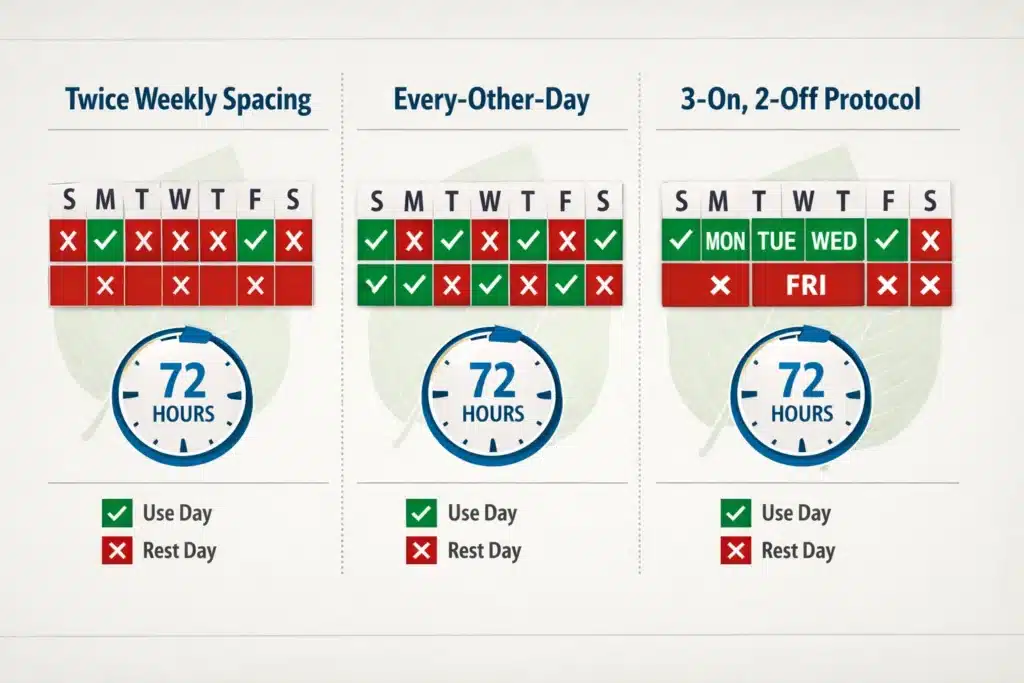
The Every-Other-Day Protocol

Many experienced users find success with an every-other-day dosing schedule. This approach allows 48 hours between doses, giving receptors time to reset while maintaining consistent benefits. Studies on similar compounds suggest this timeframe provides sufficient recovery for receptor sensitivity.

Benefits of Every-Other-Day Dosing:

  • Maintains therapeutic effects over months
  • Reduces total kratom consumption by 50%
  • Allows natural receptor recovery
  • Preserves strain effectiveness
  • Minimizes dependency risk

Three-Days-On, Two-Days-Off Method

For users requiring more frequent dosing, the 3-on-2-off protocol offers a middle ground. This schedule involves taking kratom for three consecutive days followed by a two-day break. This method works particularly well for people managing chronic conditions who need more consistent relief.

Weekly Cycling Approach

Some users prefer weekly cycles, taking kratom for 4-5 days per week with 2-3 consecutive rest days. This approach provides flexibility while ensuring regular tolerance prevention breaks. The key is maintaining consistency in the break periods rather than random off days.

Strain Rotation Strategies for Long-Term Use

How Often Can You Take Kratom strains

Rotating between different kratom strains represents one of the most effective tolerance prevention strategies available. Different strains contain varying alkaloid profiles, which means they interact with receptors in slightly different ways.

Understanding Strain Categories

Red Vein Strains: Higher in 7-hydroxymitragynine, more sedating
Green Vein Strains: Balanced alkaloid profile, moderate effects
White Vein Strains: Higher in mitragynine, more energizing
Gold/Yellow Strains: Unique fermentation process, distinct alkaloid ratios

Effective Rotation Patterns

The weekly rotation method involves switching strain categories each week. For example:

  • Week 1: Red vein strains
  • Week 2: Green vein strains
  • Week 3: White vein strains
  • Week 4: Gold kratom varieties

Daily rotation involves switching strains each dosing day, which can be highly effective for frequent users. This method requires maintaining supplies of multiple strains but provides maximum tolerance prevention.

Alkaloid Profile Considerations

When rotating strains, focus on alkaloid diversity rather than just color categories. Different growing regions and harvesting methods create unique alkaloid fingerprints even within the same strain category. Quality suppliers often provide detailed alkaloid information to help users make informed rotation decisions.

Dosage Guidelines and Tolerance Thresholds

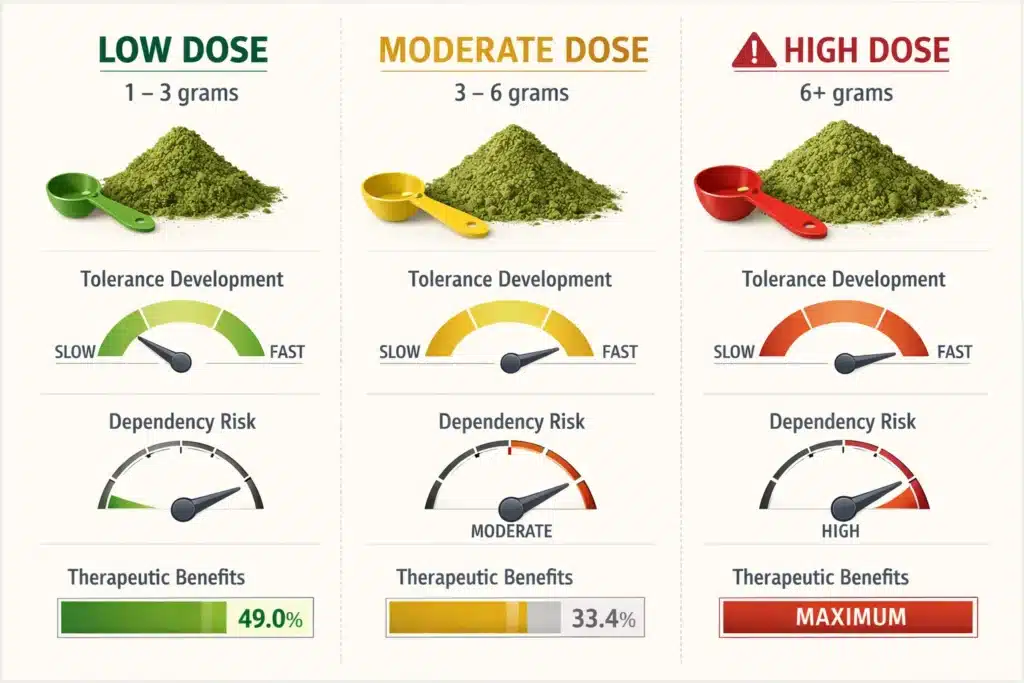
Understanding the relationship between dosage amounts and tolerance development is crucial for long-term kratom success. Higher doses not only accelerate tolerance but also increase the risk of adverse effects and dependency.

Low-Dose Benefits

Low doses (1-3 grams) typically provide:

  • Mild energy and focus enhancement
  • Reduced tolerance development
  • Lower risk of side effects
  • Easier tolerance breaks
  • More sustainable long-term use

Moderate Dose Considerations

Moderate doses (3-6 grams) offer:

  • Balanced effects for most users
  • Reasonable tolerance development
  • Good therapeutic potential
  • Manageable break periods

High-Dose Risks

High doses (6+ grams) increase:

  • Rapid tolerance development
  • Dependency potential
  • Side effect likelihood
  • Difficulty taking breaks
  • Higher long-term costs

Implementing Tolerance Breaks Effectively

How Often Can You Take Kratom effects

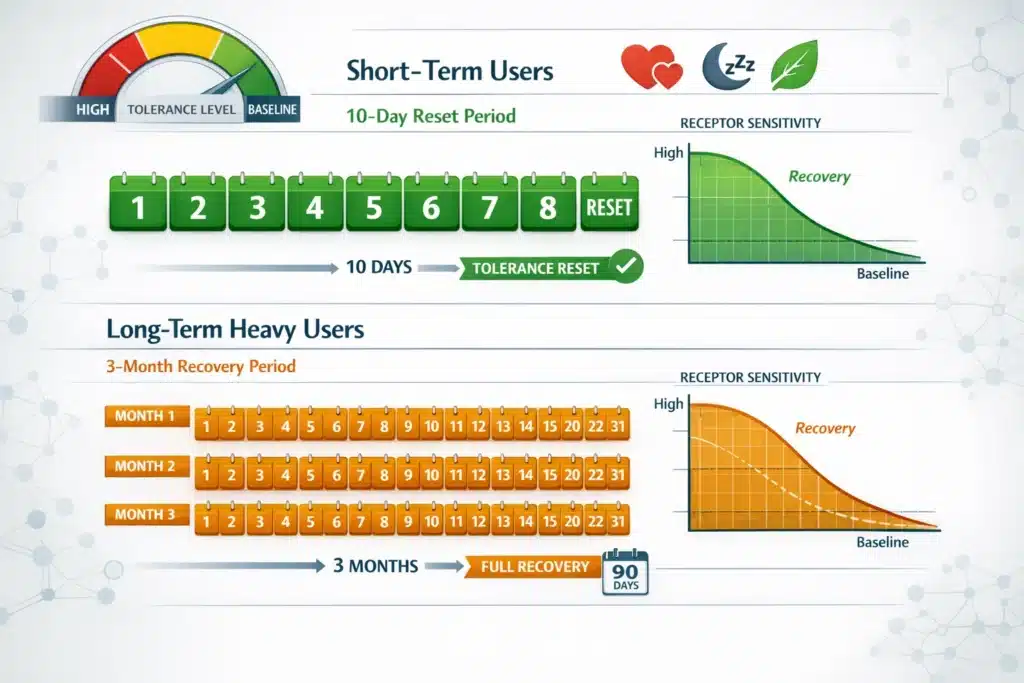
Tolerance breaks or “T-breaks” represent the most direct method for resetting kratom tolerance. These planned periods without kratom allow receptors to return to baseline sensitivity levels.

Short-Term Breaks (2-7 Days)

Short breaks work well for users with mild tolerance buildup. These breaks can restore much of kratom’s original effectiveness while being manageable for most people.

Week-long break benefits:

  • Significant tolerance reduction
  • Renewed strain effectiveness
  • Perspective on usage patterns
  • Opportunity to assess dependence

Extended Breaks (2-4 Weeks)

Longer breaks provide more complete tolerance reset but require greater commitment. These breaks work best for users who’ve developed significant tolerance or want to reassess their kratom relationship entirely.

Tapering Strategies

Rather than stopping abruptly, gradual tapering can make tolerance breaks more comfortable:

  1. Week 1: Reduce dose by 25%
  2. Week 2: Reduce dose by another 25%
  3. Week 3: Reduce to minimal dose
  4. Week 4: Complete break

Managing Withdrawal and Break Periods

Understanding potential withdrawal symptoms helps users prepare for tolerance breaks and implement them successfully. While kratom withdrawal is generally milder than traditional opioids, some users experience discomfort during breaks.

Common Withdrawal Symptoms

Physical symptoms may include:

  • Mild fatigue
  • Muscle aches
  • Restless legs
  • Sleep disturbances
  • Temperature regulation issues

Psychological symptoms often involve:

  • Mild anxiety
  • Irritability
  • Mood changes
  • Difficulty concentrating
  • Reduced motivation

Natural Support Methods

Exercise provides natural endorphin release and helps manage withdrawal discomfort. Even light walking or stretching can significantly improve mood and energy during breaks.

Hydration and nutrition support the body’s natural recovery processes. Focus on nutrient-dense foods and adequate water intake to help the body readjust.

Sleep hygiene becomes especially important during tolerance breaks. Maintaining consistent sleep schedules and creating restful environments supports natural recovery.

Individual Factors Affecting Tolerance

How Often Can You Take Kratom strain

Tolerance development varies significantly between individuals due to genetic, physiological, and lifestyle factors. Understanding these variables helps users develop personalized approaches to kratom use.

Genetic Considerations

Cytochrome P450 enzymes metabolize kratom alkaloids, and genetic variations in these enzymes affect how quickly people process kratom. Some individuals are “fast metabolizers” who may experience shorter effects but potentially slower tolerance development.

Opioid receptor sensitivity varies genetically, influencing both kratom’s effectiveness and tolerance development speed. Some people naturally have more sensitive receptors, requiring lower doses and potentially developing tolerance more quickly.

Physiological Variables

Body weight and composition affect kratom distribution and metabolism. Generally, larger individuals require higher doses but may also have slower tolerance development due to greater receptor populations.

Age and metabolism influence how quickly the body processes and adapts to kratom. Younger users typically have faster metabolisms but may also develop tolerance more quickly.

Lifestyle Factors

Diet and supplements can affect kratom absorption and metabolism. Acidic foods may enhance absorption, while certain supplements might interact with kratom processing.

Exercise and activity levels influence overall metabolism and may affect how quickly tolerance develops. Regular exercise often helps maintain kratom effectiveness.

Stress levels can impact both kratom’s effectiveness and tolerance development. High stress may accelerate tolerance while also increasing the desire for higher doses.

Creating Your Personal Kratom Schedule

Developing an effective personal kratom schedule requires balancing individual needs with tolerance prevention strategies. The most successful approaches are tailored to specific circumstances rather than following rigid universal rules.

Assessing Your Needs

Purpose evaluation should guide scheduling decisions:

  • Pain management: May require more frequent dosing
  • Energy and focus: Often works well with intermittent use
  • Mood support: Can benefit from consistent but moderate scheduling
  • General wellness: Usually compatible with minimal frequency

Building Your Schedule

Start with conservative frequency and adjust based on results. It’s easier to increase frequency than to reverse tolerance that’s already developed.

Track your responses using a simple log that records:

  • Dose amount and strain
  • Effects experienced
  • Duration of effects
  • Any side effects
  • Overall satisfaction

Flexibility and Adjustments

Successful long-term kratom use requires schedule flexibility. Life circumstances, stress levels, and health changes may necessitate temporary adjustments to your routine.

Regular assessment every 4-6 weeks helps identify early tolerance signs and allows for proactive adjustments before problems develop.

Kratom Tolerance Prevention Calculator

Kratom Tolerance Prevention Calculator

Long-Term Success Strategies

How Often Can You Take Kratom quality

Maintaining kratom’s effectiveness over months and years requires a comprehensive approach that goes beyond simple dosing schedules. Successful long-term users typically develop sophisticated strategies that address multiple aspects of tolerance prevention.

Quality and Source Considerations

Vendor rotation can help maintain effectiveness even when using the same strain names. Different suppliers often source from different farms, providing subtle alkaloid variations that help prevent tolerance.

Quality kratom from reputable sources like Jack Botanicals ensures consistent alkaloid content, making it easier to maintain effective doses without escalation. Poor quality kratom often leads to dose increases that accelerate tolerance development.

Batch testing and alkaloid profiles, when available, help users make informed decisions about strain rotation and dosing adjustments.

Lifestyle Integration

Stress management plays a crucial role in long-term kratom success. High stress levels can increase kratom consumption and accelerate tolerance development. Incorporating stress reduction techniques like meditation, exercise, or therapy supports sustainable kratom use.

Sleep optimization affects both kratom’s effectiveness and tolerance development. Poor sleep can increase the desire for higher doses while also affecting how the body processes kratom.

Nutritional support through a balanced diet rich in antioxidants and essential nutrients supports the body’s natural processes and may help maintain kratom sensitivity.

Community and Support

Many successful long-term users benefit from community support through online forums or local groups. Sharing experiences and strategies helps users avoid common pitfalls and learn effective tolerance prevention techniques.

Professional guidance from healthcare providers familiar with kratom can provide valuable insights, especially for users managing specific health conditions.

Monitoring and Adjusting Your Approach

Regular monitoring forms the foundation of successful long-term kratom use. Without consistent tracking, tolerance can develop gradually and go unnoticed until significant dose escalation becomes necessary.

Effectiveness Tracking

Daily logs should include dose amount, strain used, effects experienced, and overall satisfaction ratings. This data helps identify early tolerance signs and guides schedule adjustments.

Weekly reviews of your logs can reveal patterns that aren’t obvious from day-to-day use. Look for gradual decreases in effect duration or intensity that might indicate developing tolerance.

Monthly assessments provide opportunities for major schedule adjustments and help maintain long-term perspective on your kratom relationship.

Warning Signs to Watch

Dose creep represents one of the earliest tolerance indicators. If you find yourself gradually increasing doses to maintain the same effects, tolerance is likely developing.

Shortened effect duration often precedes the need for dose increases. When kratom’s effects last noticeably shorter periods, tolerance may be beginning.

Reduced satisfaction with your usual dose, even when effects seem present, can indicate tolerance development.

Increased frequency desires or thinking about kratom more often between doses may signal developing dependence alongside tolerance.

Making Adjustments

When monitoring reveals tolerance development, immediate action prevents further progression. Waiting often makes tolerance breaks more difficult and less effective.

Gradual adjustments work better than dramatic changes for most people. Reducing dose by 25% or adding one extra break day per week often reverses early tolerance without causing significant discomfort.

Professional consultation becomes important if tolerance develops rapidly or if attempts to reduce use create significant difficulties.

Special Considerations for Different User Groups

Different user populations face unique challenges in managing kratom tolerance, requiring tailored approaches that consider specific circumstances and needs.

Chronic Pain Management

Users managing chronic pain often face the greatest challenges with tolerance prevention because they may need more consistent relief. Pain-specific strategies include:

Multimodal approaches that combine kratom with other pain management techniques like physical therapy, meditation, or heat therapy can reduce reliance on kratom alone.

Strain cycling becomes especially important for pain management users, as different strains may address different aspects of pain experience.

Timing optimization around pain patterns can help minimize kratom use while maximizing relief during peak pain periods.

Energy and Productivity Users

People using kratom for energy and focus have more flexibility in dosing schedules, making tolerance prevention generally easier. Productivity-focused strategies include:

Task-based dosing that aligns kratom use with specific work projects or demanding periods rather than daily schedules.

Natural energy alternatives on off days, such as exercise, caffeine, or specific nutrients, can help maintain productivity without kratom.

Weekend breaks work particularly well for users whose primary need occurs during work days.

Mood and Anxiety Support

Users seeking mood support need consistent but sustainable approaches that don’t create rebound anxiety during breaks. Mood-specific considerations include:

Gradual break implementation that slowly reduces frequency rather than stopping abruptly.

Alternative mood support through therapy, exercise, social connection, or other botanicals during break periods.

Stress management becomes crucial since stress can both increase kratom desire and reduce its effectiveness.

Creating Sustainable Long-Term Habits

The most successful kratom users develop sustainable habits that naturally prevent tolerance while supporting their overall health and well-being goals.

Habit Formation Principles

Consistency in break periods matters more than perfect adherence to dosing days. Regular breaks help maintain kratom’s effectiveness even if dosing days vary slightly.

Environmental cues can support sustainable habits. For example, keeping kratom in a specific location with your schedule visible helps maintain awareness of your protocol.

Reward systems for successfully completing tolerance breaks or maintaining low doses can help reinforce positive patterns.

Integration with Health Goals

Exercise routines that provide natural mood and energy benefits reduce reliance on kratom while supporting overall health.

Nutrition planning that includes foods supporting neurotransmitter production can enhance kratom’s effects and reduce needed doses.

Sleep hygiene practices ensure that fatigue doesn’t drive increased kratom consumption.

Building Support Systems

Accountability partners who understand your kratom goals can provide support during difficult break periods.

Healthcare provider relationships with professionals who understand kratom create safety nets for users managing health conditions.

Educational resources through reputable sources help users stay informed about best practices and emerging research.

For users seeking high-quality kratom products to support their tolerance prevention strategies, kratom powders from established vendors provide the consistency needed for effective protocols.

Frequently Asked Questions – How Often Can You Take Kratom


How often can you take kratom?

Most people space kratom use rather than taking it continuously. Frequency depends on personal tolerance, dose size, and reason for use. Many users choose occasional or intermittent schedules to reduce tolerance buildup. There is no universal schedule that fits everyone, so patterns often vary based on individual response.

Can you take kratom every day?

Some users take kratom daily, but daily use may increase tolerance over time. As tolerance rises, effects can feel weaker at the same amount. This often leads people to increase frequency or dose. To manage this, many users limit daily use or plan regular breaks.

How many days per week do people usually take kratom?

Common use patterns vary, but many people limit kratom to a few days per week. Using it two to four days weekly is often chosen to allow rest days. These breaks help the body reset and may slow tolerance compared to continuous daily use.

How long should you wait between kratom doses?

Waiting time between doses depends on how long the effects last for you. Many users space doses several hours apart.

  • Allow effects to fully wear off
  • Avoid stacking doses too closely
  • Notice how your body responds
  • Adjust timing based on sensitivity

Does dosage affect how often you can take kratom?

Yes, dose size often influences frequency. Larger amounts may last longer and require more time between uses.

  • Lower doses may wear off sooner
  • Higher doses often have longer effects
  • Frequent high doses can raise tolerance faster
  • Consistent dosing helps track effects

What happens if you take kratom too often?

Using kratom too frequently may reduce noticeable effects over time. Some people also report unwanted changes in how it feels.

  • Reduced effectiveness at the same amount
  • Shorter duration of effects
  • Need for longer breaks to reset tolerance

Is it better to cycle kratom use?

Cycling refers to planned periods of use followed by breaks. Many users prefer this approach to manage tolerance. A cycle might include several days of use and several days off. This pattern can help maintain consistent effects without increasing frequency.

Can beginners take kratom daily?

Beginners often start with infrequent use to understand how their body reacts. Daily use early on may lead to faster tolerance. Spacing use by a few days allows new users to assess effects clearly and adjust frequency gradually if needed.

How does tolerance affect kratom frequency?

Tolerance develops when the same amount feels weaker over time. Frequency often increases as tolerance rises.

  • More frequent use can speed tolerance
  • Breaks may help lower tolerance
  • Rotating use days can slow changes
  • Tracking use helps spot patterns

Should you take breaks from kratom?

Many users choose to take breaks to manage long term use. Breaks can range from a few days to longer periods. These pauses help reset expectations and may restore noticeable effects when use resumes, especially after regular or frequent patterns.

Conclusion

Successfully managing kratom tolerance requires a multifaceted approach that balances therapeutic needs with physiological realities. The question of how often can you take kratom without building tolerance doesn’t have a universal answer, but the principles outlined in this article provide a framework for developing personalized, sustainable protocols.

The most effective strategies combine strategic dosing schedules, strain rotation, regular tolerance breaks, and comprehensive lifestyle support. Every-other-day dosing represents the gold standard for most users, while more frequent schedules require additional precautions like strict strain rotation and regular assessment periods.

Individual factors including genetics, health status, and usage goals significantly influence optimal approaches. Users managing chronic conditions may need more frequent dosing but can still implement effective tolerance prevention through careful planning and professional guidance.

Long-term success depends on consistent monitoring, willingness to adjust protocols when needed, and integration of kratom use with broader health and wellness goals. The users who maintain kratom’s effectiveness for years typically view it as one component of a comprehensive wellness strategy rather than a standalone solution.

Daniel Brooks

Daniel Brooks is a U.S. based botanical writer with over six years of hands on experience in kratom focused content. He studies kratom strains, sourcing standards, dosage patterns, and consumer safety topics. He stays up to date with current news, regulatory changes, and market trends related to kratom and botanical products.
His work includes educational guides, strain breakdowns, and vendor reviews written for everyday users. He avoids promotional language and presents clear facts. Daniel helps readers understand both benefits and risks so they can make informed choices about responsible kratom use.

Leave a Reply

Your email address will not be published. Required fields are marked *

Free Priority Shipping

On all orders above $75

Easy 30 days returns

30 days money back guarantee

100% Secure Checkout

MasterCard / Visa