
Breaking free from kratom dependence does not have to be a nightmare. If you are searching for How To Quit Kratom, know that millions use kratom for pain relief and energy, yet some get stuck in a cycle of higher doses and withdrawal symptoms when they try to stop. The good news is simple. With the right plan, you can learn How To Quit Kratom safely, reduce discomfort, and improve your chances of long term success.
- Gradual tapering is safer than cold turkey – reducing your dose by 10-25% weekly helps minimize withdrawal symptoms
- Withdrawal typically peaks at 2-4 days and resolves within 1-2 weeks for most people
- Natural supplements and lifestyle changes can significantly ease the quitting process
- Professional medical support may be necessary for heavy, long-term users
- Having a solid plan and support system dramatically increases your success rate
Understanding Kratom Dependence
Kratom (Mitragyna speciosa) contains alkaloids that interact with opioid receptors in the brain, particularly mitragynine and 7-hydroxymitragynine. While kratom vendors often market different strains with varying effects, regular use of any strain can lead to physical dependence.
Signs You May Need to Quit Kratom
- Tolerance buildup: Needing increasingly larger doses for the same effects
- Withdrawal symptoms: Feeling sick when doses are missed or delayed
- Daily dependence: Unable to function normally without kratom
- Negative life impact: Kratom use affecting work, relationships, or finances
- Health concerns: Experiencing side effects like constipation, hair loss, or liver issues
Common Kratom Withdrawal Symptoms
Understanding what to expect can help you prepare mentally and physically for the quitting process:
Physical symptoms:
- Muscle aches and joint pain
- Runny nose and watery eyes
- Nausea and digestive issues
- Fatigue and low energy
- Sleep disturbances
- Hot and cold flashes
Psychological symptoms:
- Anxiety and irritability
- Depression and mood swings
- Cravings for kratom
- Difficulty concentrating
- Restlessness
How To Quit Kratom: The Tapering Method
The safest and most effective way to quit kratom is through a gradual tapering schedule. This approach allows your body to slowly adjust to decreasing amounts of kratom, minimizing withdrawal symptoms.
Step 1: Calculate Your Current Daily Intake
Before you can create a taper schedule, you need to know exactly how much kratom you’re taking daily. Track your usage for 3-7 days, noting:
- Total grams consumed per day
- Number of doses taken
- Timing of each dose
- Strain types used
Step 2: Create Your Tapering Schedule
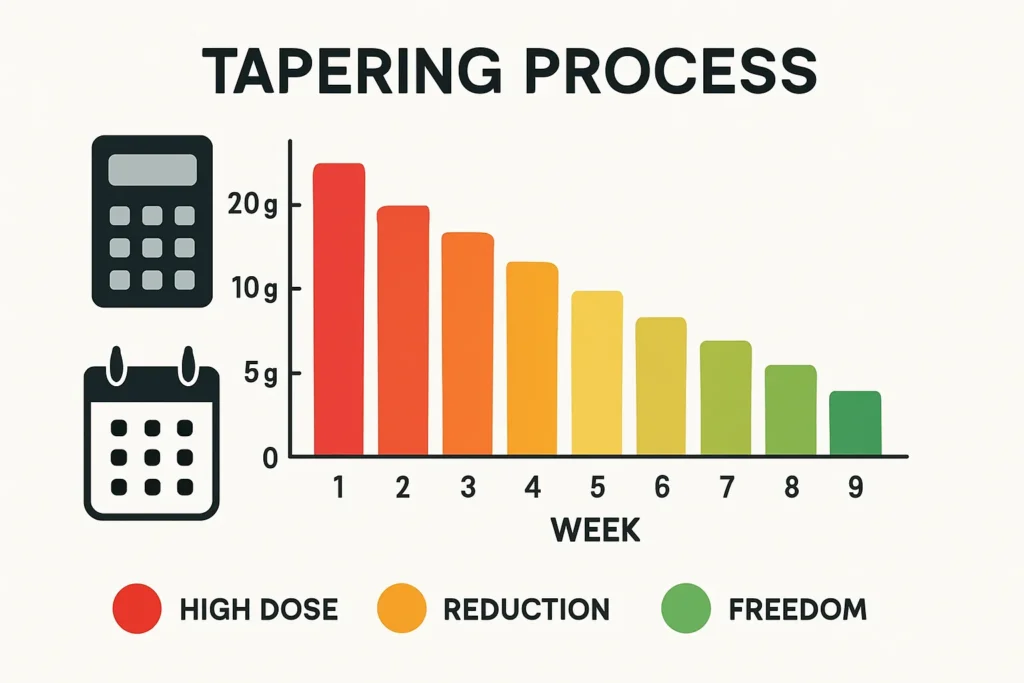
A successful taper typically reduces your dose by 10-25% each week. Here’s how to structure it:
| Week | Dose Reduction | Example (Starting at 20g/day) |
|---|---|---|
| Week 1 | Baseline | 20g daily |
| Week 2 | -20% | 16g daily |
| Week 3 | -20% | 13g daily |
| Week 4 | -20% | 10g daily |
| Week 5 | -20% | 8g daily |
| Week 6 | -20% | 6g daily |
| Week 7 | -20% | 5g daily |
| Week 8 | -20% | 4g daily |
| Week 9 | Stop completely | 0g daily |
Step 3: Implement Dose Reduction Strategies
Switch to a single strain: Use only one type of kratom during your taper to maintain consistency. Many people find yellow Vietnam kratom helpful due to its balanced effects.
Spread doses evenly: Instead of taking large doses, divide your daily amount into smaller, more frequent doses.
Use a scale: Measure your kratom precisely using a digital scale rather than estimating with spoons.
Stick to the schedule: Resist the urge to take extra doses, even during difficult days.
Kratom Taper Calculator
Create a personalized tapering schedule to quit kratom safely
Your Personalized Taper Schedule
Natural Supplements and Remedies for Kratom Withdrawal
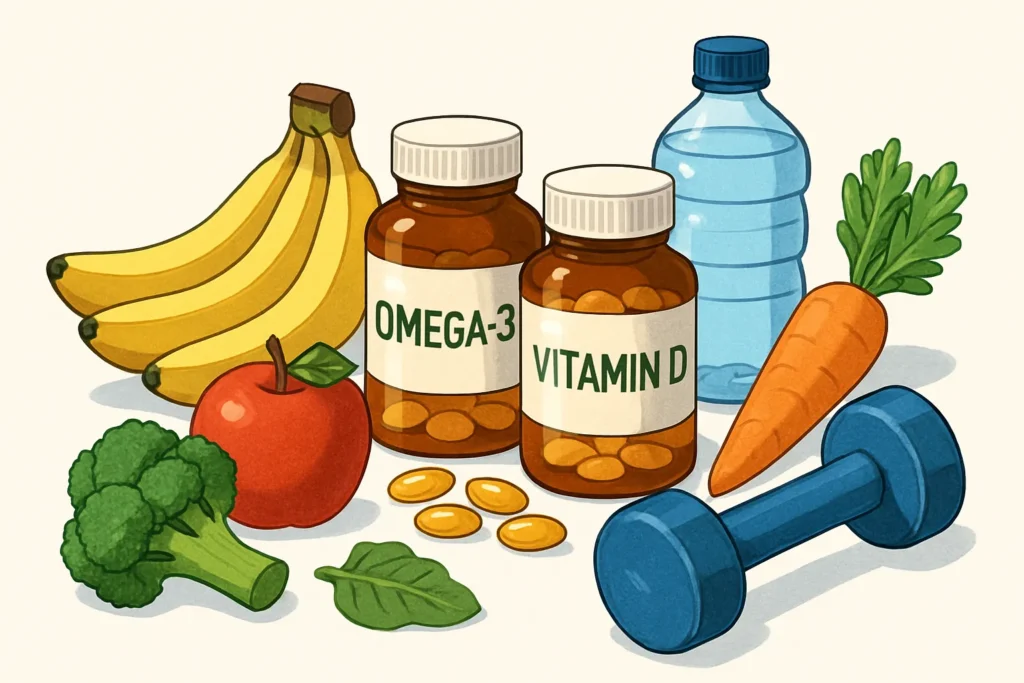
Supporting your body with natural supplements can significantly ease withdrawal symptoms and improve your chances of success.
Essential Supplements for Withdrawal Support
🌿 Magnesium (400-600mg daily)
- Reduces muscle aches and cramping
- Improves sleep quality
- Helps with anxiety and restlessness
🌿 L-Theanine (200-400mg daily)
- Promotes relaxation without sedation
- Reduces anxiety and stress
- Improves focus during withdrawal
🌿 Vitamin D3 (2000-4000 IU daily)
- Supports mood regulation
- Boosts immune function
- Helps combat depression
🌿 Omega-3 Fatty Acids (1000-2000mg daily)
- Reduces inflammation
- Supports brain health
- Improves mood stability
Herbal Remedies That Help
Ashwagandha: Adaptogenic herb that helps manage stress and anxiety during withdrawal.
Valerian Root: Natural sleep aid that can help with insomnia and restlessness.
Passionflower: Calming herb that reduces anxiety and promotes relaxation.
Black Seed Oil: May help reduce withdrawal symptoms and support overall health.
Lifestyle Changes to Support Recovery
Exercise and Physical Activity
Regular exercise is one of the most powerful tools for overcoming kratom withdrawal:
- Releases natural endorphins that help combat depression and pain
- Improves sleep quality and reduces insomnia
- Reduces anxiety and stress through physical exertion
- Provides healthy distraction from cravings
Recommended activities:
- Daily walks or light jogging
- Yoga or stretching routines
- Swimming or cycling
- Strength training (when energy returns)
Sleep Hygiene Improvements
Quality sleep is crucial for recovery but often disrupted during withdrawal:
Sleep optimization strategies:
- Maintain consistent bedtime and wake times
- Create a cool, dark sleeping environment
- Avoid screens 1-2 hours before bed
- Use relaxation techniques like deep breathing
- Consider melatonin supplements (1-3mg)
Nutritional Support
Proper nutrition helps your body heal and reduces withdrawal severity:
Focus on:
- Protein-rich foods for neurotransmitter production
- Complex carbohydrates for stable energy
- Fresh fruits and vegetables for vitamins and minerals
- Plenty of water to stay hydrated
Avoid:
- Excessive caffeine
- Alcohol
- Processed foods
- Sugar-heavy snacks
Professional Medical Support Options
When to Seek Medical Help
Consider professional support if you experience:
- Severe depression or suicidal thoughts
- Intense anxiety or panic attacks
- Uncontrollable physical symptoms
- History of addiction or mental health issues
- Multiple failed quit attempts
Medical Treatment Options
Prescription medications that may help:
- Clonidine: Reduces physical withdrawal symptoms
- Gabapentin: Helps with anxiety and sleep issues
- Antidepressants: For mood support during recovery
- Sleep aids: For severe insomnia
Therapy options:
- Cognitive Behavioral Therapy (CBT)
- Addiction counseling
- Support groups
- Mindfulness-based interventions
Building a Strong Support System
Tell Trusted Friends and Family
Having people who understand your journey can make the difference between success and failure:
- Choose supportive people who won’t judge your decision
- Explain what you’re going through so they can offer appropriate help
- Ask for specific support like accountability check-ins or distraction activities
Online Communities and Resources
Connect with others who understand your experience:
- Reddit communities focused on kratom cessation
- Online support forums
- Addiction recovery apps
- Virtual support group meetings
Prepare Your Environment
Remove triggers:
- Dispose of all kratom products
- Delete vendor contacts and websites
- Remove paraphernalia and measuring tools
- Clear browser history of kratom-related sites
Create supportive spaces:
- Stock healthy foods and supplements
- Prepare comfort items for difficult moments
- Set up relaxing activities and entertainment
- Organize your living space for peace and calm
Managing Cravings and Preventing Relapse
Understanding Kratom Cravings
Cravings are normal and expected during recovery. They typically:
- Peak in the first week after stopping
- Decrease in intensity over time
- Can be triggered by stress, boredom, or specific situations
- Are temporary and will pass if you don’t act on them
Effective Craving Management Techniques
🧠 The HALT Method
When cravings hit, check if you’re:
- Hungry: Eat a nutritious meal or snack
- Angry: Use stress management techniques
- Lonely: Reach out to support network
- Tired: Rest or take a short nap
🧠 Distraction Techniques
- Take a hot shower or bath
- Go for a walk outside
- Call a friend or family member
- Engage in a hobby or creative activity
- Practice deep breathing or meditation
🧠 The “Urge Surfing” Technique
Instead of fighting cravings, acknowledge them and “surf” through them:
- Notice the craving without judgment
- Observe how it feels in your body
- Remind yourself it’s temporary
- Wait for it to naturally subside
Long-term Relapse Prevention
Identify your triggers:
- Stressful situations or emotions
- Specific times of day
- Certain locations or people
- Boredom or lack of purpose
Develop healthy coping mechanisms:
- Regular exercise routine
- Stress management practices
- Meaningful hobbies and activities
- Strong social connections
Timeline: What to Expect When Quitting Kratom

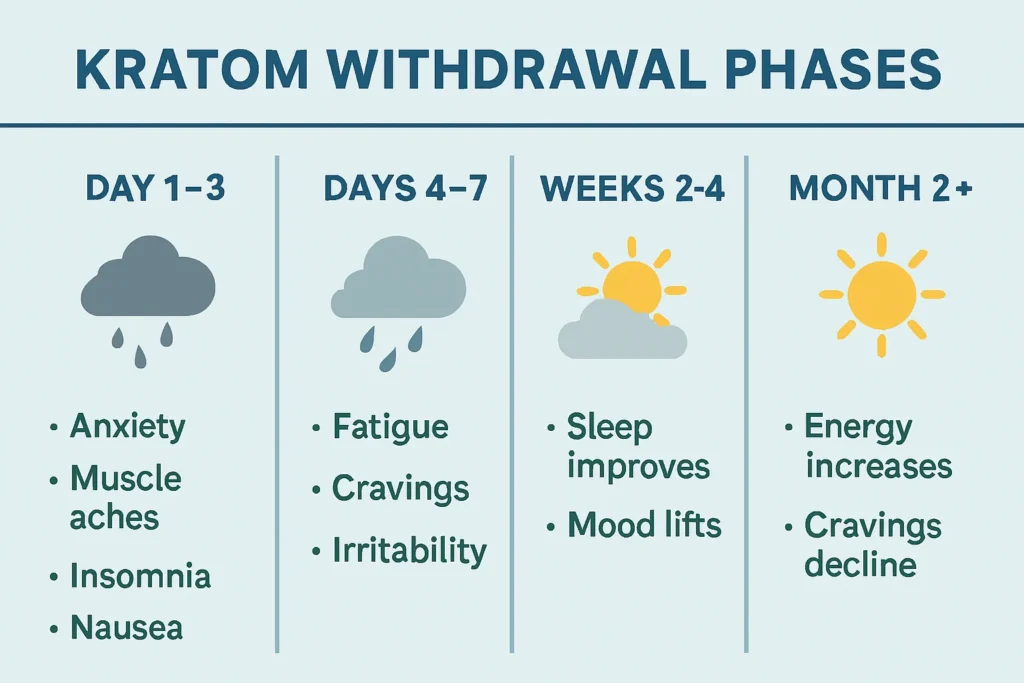
Understanding the typical withdrawal timeline can help you prepare mentally and stay committed to your quit plan.
Days 1-3: Acute Withdrawal Phase
Physical symptoms peak:
- Muscle aches and joint pain
- Runny nose and watery eyes
- Nausea and digestive issues
- Sleep disturbances
- Hot and cold flashes
Mental symptoms:
- Anxiety and irritability
- Strong cravings
- Difficulty concentrating
- Mood swings
💡 Survival tips:
- Stay hydrated and rest as much as possible
- Use comfort medications and supplements
- Lean heavily on your support system
- Remember this phase is temporary
Days 4-7: Stabilization Begins
Improvements you may notice:
- Physical symptoms start to decrease
- Sleep quality begins to improve
- Appetite returns
- Energy levels stabilize
Ongoing challenges:
- Psychological cravings remain strong
- Mood may still fluctuate
- Motivation and focus issues
Week 2-4: Recovery Phase
Positive changes:
- Most physical symptoms resolve
- Sleep patterns normalize
- Energy and motivation return
- Mood becomes more stable
Remaining challenges:
- Occasional cravings
- Stress sensitivity
- Need for ongoing lifestyle adjustments
Month 2 and Beyond: Long-term Recovery
What to expect:
- Cravings become rare and manageable
- Normal energy and mood patterns return
- Improved overall health and wellbeing
- Sense of accomplishment and freedom
Common Mistakes to Avoid
Mistake #1: Going Cold Turkey Without Preparation
Why it fails: Sudden cessation can cause severe withdrawal symptoms that lead to quick relapse.
Better approach: Use a gradual tapering schedule and prepare thoroughly with supplements and support.
Mistake #2: Not Addressing Underlying Issues
Why it fails: If you started using kratom for pain, anxiety, or depression, these issues will return without alternative management.
Better approach: Work with healthcare providers to address root causes and develop healthy coping strategies.
Mistake #3: Isolating During Withdrawal
Why it fails: Withdrawal is mentally challenging, and isolation can worsen depression and increase relapse risk.
Better approach: Stay connected with supportive friends, family, or online communities throughout the process.
Mistake #4: Expecting Linear Progress
Why it fails: Recovery has ups and downs, and expecting constant improvement can lead to discouragement.
Better approach: Accept that some days will be harder than others and focus on overall progress over time.
Mistake #5: Not Planning for Long-term Success
Why it fails: Without ongoing strategies, it’s easy to return to old habits during stressful times.
Better approach: Develop sustainable lifestyle changes and continue using support resources even after acute withdrawal ends.
Alternative Approaches to Consider
Mindfulness and Meditation
Regular mindfulness practice can significantly support your recovery:
- Reduces stress and anxiety
- Improves emotional regulation
- Increases self-awareness
- Helps manage cravings
Simple techniques to start:
- 5-10 minutes of daily meditation
- Mindful breathing exercises
- Body scan relaxation
- Walking meditation
Acupuncture and Traditional Medicine
Some people find relief through alternative therapies:
- Acupuncture may help reduce withdrawal symptoms
- Massage therapy can relieve muscle tension and promote relaxation
- Aromatherapy with essential oils may reduce anxiety
- Chiropractic care can address physical discomfort
Support Groups and Counseling
Professional and peer support can be invaluable:
- Individual therapy to address underlying issues
- Group therapy to connect with others in recovery
- 12-step programs adapted for kratom addiction
- SMART Recovery for evidence-based addiction treatment
Creating Your Personal Quit Plan
Step 1: Set Your Quit Date
Choose a specific date within the next 1-2 weeks. This gives you time to prepare without losing motivation.
Consider timing factors:
- Upcoming stressful events
- Work schedule and responsibilities
- Support system availability
- Access to medical care if needed
Step 2: Gather Your Resources
Physical supplies:
- Withdrawal comfort medications
- Nutritional supplements
- Healthy foods and snacks
- Entertainment and distraction items
Support resources:
- Contact information for supportive friends/family
- Healthcare provider contact information
- Online community access
- Emergency mental health resources
Step 3: Prepare Your Environment
- Remove all kratom products from your home
- Delete vendor contacts and bookmarks
- Stock your space with healthy alternatives
- Create a comfortable recovery area
Step 4: Plan Your Taper Schedule
Use the guidelines provided earlier to create your personalized tapering plan. Write it down and post it somewhere visible.
Step 5: Identify Your Why
Write down your reasons for quitting kratom. This will be your motivation during difficult moments:
- Improved physical health
- Better relationships
- Financial savings
- Mental clarity and focus
- Freedom from dependence
Kratom Withdrawal FAQ
Common questions about safely quitting kratom
Conclusion
Learning how to quit kratom safely requires patience, preparation, and the right approach. While withdrawal can be challenging, thousands of people have successfully broken free from kratom dependence using the strategies outlined in this guide.
Remember the key principles:
- Gradual tapering is safer than sudden cessation
- Natural supplements and lifestyle changes significantly ease the process
- Professional support may be necessary for some individuals
- A strong support system dramatically improves success rates
- Preparation and planning are essential for long-term success
The journey to freedom from kratom isn’t always easy, but it’s absolutely achievable. Every day you stay committed to your recovery is a step toward better health, improved relationships, and personal freedom.
Your next steps:
- Calculate your current daily kratom intake
- Create a tapering schedule using the guidelines provided
- Gather necessary supplements and support resources
- Set a firm quit date and commit to your plan
- Reach out for professional help if needed
For more information about kratom and making informed decisions about your health, visit our comprehensive kratom guides where you can learn about purchasing considerations and legal information that may be relevant to your situation.
Remember: seeking help is a sign of strength, not weakness. Your commitment to quitting kratom is an investment in your future health and happiness.