In a market flooded with questionable products and unregulated vendors, knowing How To Buy Kratom safely matters. One wrong purchase can put your health at risk. The kratom industry operates in a complex legal landscape where quality standards vary widely between suppliers, making it essential for you to understand How To Buy Kratom from reliable sources and avoid low quality or unsafe products.
- Always verify third-party lab testing – Reputable vendors provide certificates of analysis (COA) for every batch, testing for contaminants, heavy metals, and alkaloid content
- Research vendor reputation thoroughly – Check customer reviews, business practices, and transparency levels before making any purchase
- Start with small quantities – Begin with sample packs or small amounts to test quality and effects before committing to larger purchases
- Understand strain differences – Red, white, and green vein varieties offer different effects and potency levels suited for various needs
- Know your local laws – Kratom legality varies by state and locality, so verify legal status in your area before purchasing
Understanding Kratom: The Foundation of Safe Purchasing
Before diving into how to buy kratom safely, it’s essential to understand what kratom is and why quality matters so significantly. Kratom (Mitragyna speciosa) is a tropical tree native to Southeast Asia, where its leaves have been used traditionally for centuries. The active compounds in kratom leaves, primarily mitragynine and 7-hydroxymitragynine, interact with the body’s opioid receptors, producing various effects depending on the strain and dosage.
The quality of kratom can vary dramatically based on several factors:
- Growing conditions and soil quality
- Harvesting methods and timing
- Processing and drying techniques
- Storage and handling practices
- Age of the product when purchased
Poor quality kratom may not only be ineffective but could also contain harmful contaminants such as heavy metals, pesticides, bacteria, or even synthetic additives. This is why understanding how to identify and purchase high-quality kratom is crucial for both safety and effectiveness.
Legal Considerations: Know Before You Buy
One of the most critical aspects of learning how to buy kratom safely involves understanding the legal landscape. Kratom’s legal status varies significantly across different jurisdictions, and purchasing kratom in areas where it’s prohibited can result in serious legal consequences.
Federal Legal Status
At the federal level in the United States, kratom remains legal but unregulated by the FDA. However, the DEA has previously considered scheduling kratom as a controlled substance, and this possibility remains under ongoing discussion. The lack of federal regulation means that quality standards and safety protocols are largely left to individual vendors and state governments.
State and Local Laws
Many states have implemented their own kratom regulations, ranging from complete prohibition to age restrictions and labeling requirements. Before making any purchase, verify the legal status in your specific location. Some states that have banned kratom include:
- Alabama – Learn more about kratom’s legal status in Alabama
- Arkansas
- Indiana
- Rhode Island
- Vermont
- Wisconsin
Other states like Tennessee have specific regulations regarding kratom sales and use. Additionally, many states have implemented age restrictions, typically requiring purchasers to be at least 18 or 21 years old. Understanding how old you need to be to buy kratom in your area is essential for legal compliance.
The Kratom Consumer Protection Act (KCPA)
Several states have adopted the Kratom Consumer Protection Act, which establishes quality standards and regulations for kratom products while keeping them legal. States with KCPA legislation typically require:
- Age restrictions (usually 18+)
- Labeling requirements including alkaloid content
- Prohibited additives and synthetic compounds
- Good manufacturing practices for vendors
Identifying Quality Kratom: What to Look For
Learning how to buy kratom safely starts with understanding the hallmarks of high-quality products. Quality kratom should meet several key criteria that indicate proper sourcing, processing, and handling.
Third-Party Lab Testing
The most important indicator of quality kratom is comprehensive third-party lab testing. Reputable vendors will provide Certificates of Analysis (COA) for every batch of kratom they sell. These lab reports should test for:
Contaminant Testing:
- Heavy metals (lead, mercury, cadmium, arsenic)
- Microbials (bacteria, yeast, mold, E. coli, Salmonella)
- Pesticides and herbicides
- Foreign matter and adulterants
Alkaloid Content:
- Mitragynine levels
- 7-hydroxymitragynine content
- Total alkaloid profile
Lab testing should be conducted by accredited, independent laboratories – not in-house testing facilities that may have conflicts of interest. The COA should be easily accessible on the vendor’s website or provided upon request.
Visual and Physical Quality Indicators
High-quality kratom powder should exhibit certain visual and physical characteristics:
Color Consistency: The powder should have a uniform color throughout, without significant variations or discoloration that might indicate poor processing or contamination.
Texture: Quality kratom powder should be finely ground with a smooth, consistent texture. Coarse, gritty, or clumpy powder may indicate poor processing or moisture issues.
Aroma: Fresh, high-quality kratom should have a distinct, earthy aroma. Musty, sour, or off-putting odors can indicate age, poor storage, or contamination.
Moisture Content: The powder should be dry to the touch. Excessive moisture can lead to mold growth and degradation of active compounds.
Packaging and Storage
Professional vendors invest in proper packaging to maintain kratom quality:
- Sealed packaging that prevents air and moisture exposure
- Clear labeling with strain information, batch numbers, and dates
- UV protection to prevent light degradation
- Food-grade materials for all packaging components
Understanding Kratom Strains: Choosing What’s Right for You
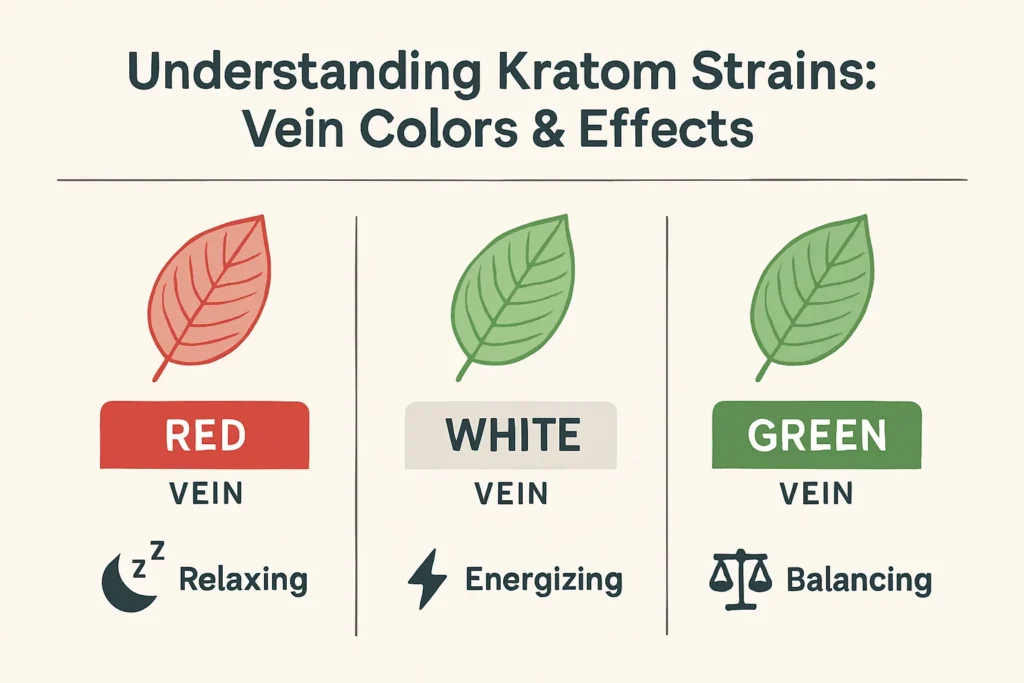
A crucial aspect of how to buy kratom safely involves understanding the different strains and their characteristics. Kratom strains are typically categorized by the color of the leaf veins and their geographic origin, each offering different effects and potency levels.
Vein Colors and Their Effects
Red Vein Kratom:
Red vein varieties are typically associated with relaxation and calming effects. These strains are often preferred for evening use and are generally considered to have higher levels of 7-hydroxymitragynine.
White Vein Kratom:
White vein strains are known for their energizing and stimulating properties. They’re often chosen for morning use and may provide enhanced focus and alertness. White Vietnam kratom is a popular example of this category.
Green Vein Kratom:
Green vein varieties are considered balanced, offering moderate effects that fall between red and white strains. Green Vietnam kratom exemplifies this balanced profile, providing both energy and relaxation.
Geographic Origins
Kratom strains are also classified by their geographic origin, which can influence their alkaloid profiles:
- Maeng Da – Often considered premium strains with higher alkaloid content
- Bali/Borneo – Traditional varieties known for balanced effects
- Thai – Typically energizing strains with stimulating properties
- Malay – Known for long-lasting effects and moderate potency
- Vietnam – Newer varieties gaining popularity for unique alkaloid profiles
Choosing the Right Strain
When learning how to buy kratom safely, selecting the appropriate strain for your needs is essential:
- Consider your goals – relaxation, energy, focus, or balance
- Start with popular, well-reviewed strains for beginners
- Read user experiences and reviews for specific strains
- Begin with small amounts to test individual response
- Keep a journal to track effects and preferences
Evaluating Kratom Vendors:
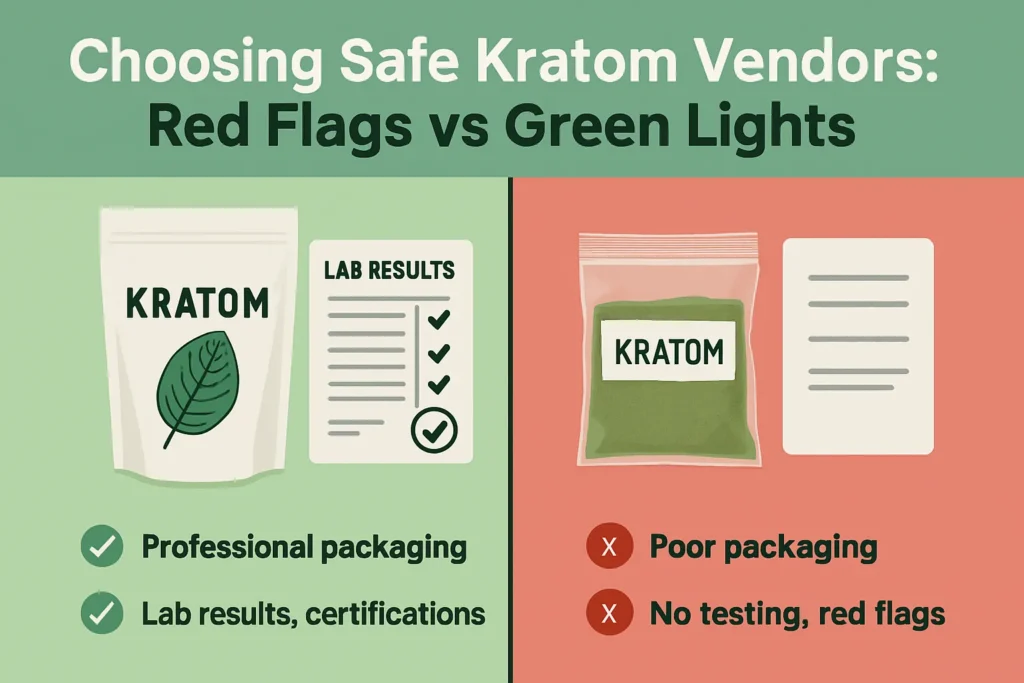
Understanding how to buy kratom safely requires developing the ability to distinguish between reputable vendors and those that may compromise on quality or safety. This evaluation process involves examining multiple aspects of a vendor’s business practices.
Signs of Reputable Vendors
Transparency and Communication:
- Detailed product descriptions including origin and processing methods
- Clear contact information and responsive customer service
- Open about their sourcing and quality control processes
- Willingness to answer questions about their products
Quality Assurance:
- Comprehensive third-party lab testing for every batch
- COAs easily accessible on their website
- Clear batch tracking and lot numbers
- Proper storage and handling procedures
Professional Business Practices:
- Secure payment processing and website security
- Clear return and refund policies
- Professional packaging and labeling
- Compliance with applicable regulations
Customer Feedback:
- Positive reviews across multiple platforms
- Active engagement with customer concerns
- Long-standing reputation in the community
- Recommendations from experienced users
Warning Signs to Avoid
Quality Concerns:
- No lab testing or refusing to provide COAs
- Unusually low prices that seem too good to be true
- Products with suspicious colors, odors, or textures
- Vague or misleading product descriptions
Business Practices:
- Poor website security or unprofessional appearance
- Lack of contact information or unresponsive customer service
- No clear return or refund policies
- Pressure tactics or aggressive sales approaches
Legal and Compliance Issues:
- Making medical claims about kratom products
- Selling to minors or in prohibited jurisdictions
- Unclear or misleading labeling
- Selling products with prohibited additives
The Importance of Lab Testing and Certificates of Analysis
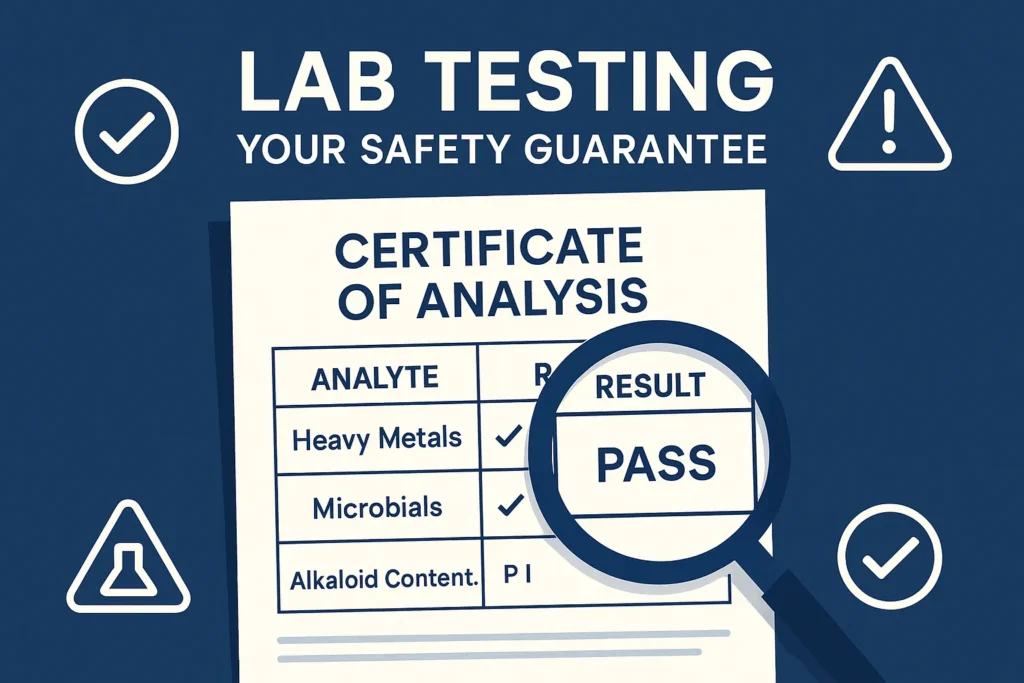
Third-party lab testing represents the cornerstone of safe kratom purchasing. Understanding how to interpret and verify lab results is crucial for anyone learning how to buy kratom safely.
Types of Lab Testing
Microbial Testing:
This testing identifies harmful bacteria, yeast, mold, and specific pathogens like E. coli and Salmonella. Acceptable limits are typically measured in colony-forming units (CFU) per gram, with strict standards for pathogenic organisms.
Heavy Metals Analysis:
Testing for toxic heavy metals including lead, mercury, cadmium, and arsenic. These contaminants can accumulate in the body over time and cause serious health issues. Acceptable limits are measured in parts per million (ppm).
Pesticide Screening:
Analysis for agricultural chemicals that may have been used during cultivation. Organic kratom should show no detectable pesticide residues, while conventional kratom should fall within acceptable limits.
Alkaloid Profiling:
Quantitative analysis of active compounds, primarily mitragynine and 7-hydroxymitragynine. This testing helps verify strain authenticity and potency.
Interpreting COAs
When reviewing a Certificate of Analysis:
- Verify the testing laboratory is accredited and independent
- Check the sample date to ensure freshness
- Review all test parameters and their results
- Compare results to industry standards and acceptable limits
- Ensure the batch number matches your product
Requesting Lab Results
Reputable vendors should readily provide lab results. If a vendor hesitates or refuses to share COAs, consider this a major red flag. Some vendors post results directly on their websites, while others provide them upon request.
🔍 Kratom Vendor Safety Evaluation Tool
🧪 Lab Testing & Quality (25 points)
🏢 Business Practices (20 points)
📦 Product Quality (20 points)
⚖️ Legal Compliance (15 points)
⭐ Reputation (20 points)
Vendor Safety Score
Pricing and Value: Understanding What You Should Pay
Understanding fair pricing is crucial when learning how to buy kratom safely. While price shouldn’t be the only factor in your decision, knowing what constitutes reasonable pricing can help you avoid both overpriced products and suspiciously cheap options that may compromise quality.
Typical Price Ranges
Powder Kratom:
- Budget range: $8-15 per ounce
- Mid-range: $15-25 per ounce
- Premium: $25-40 per ounce
Capsule Kratom:
- Budget range: $15-25 per ounce
- Mid-range: $25-35 per ounce
- Premium: $35-50 per ounce
Factors Affecting Price
Quality Factors:
- Lab testing and quality assurance programs
- Sourcing methods and supplier relationships
- Processing and storage standards
- Packaging and presentation quality
Market Factors:
- Strain rarity and availability
- Seasonal variations in supply
- Vendor reputation and demand
- Geographic location and shipping costs
Value Assessment
When evaluating value:
- Compare price per gram rather than package prices
- Factor in shipping costs and delivery times
- Consider quality indicators like lab testing
- Evaluate customer service and return policies
- Account for consistency across multiple orders
Red Flags in Pricing
Too Cheap:
- Prices significantly below market average may indicate:
- Poor quality or old product
- Lack of proper testing
- Questionable sourcing practices
- Potential contamination issues
Too Expensive:
- Extremely high prices may indicate:
- Unnecessary markup without added value
- Marketing hype without substance
- Limited availability without justification
- Targeting uninformed consumers
Maintaining Quality After Purchase
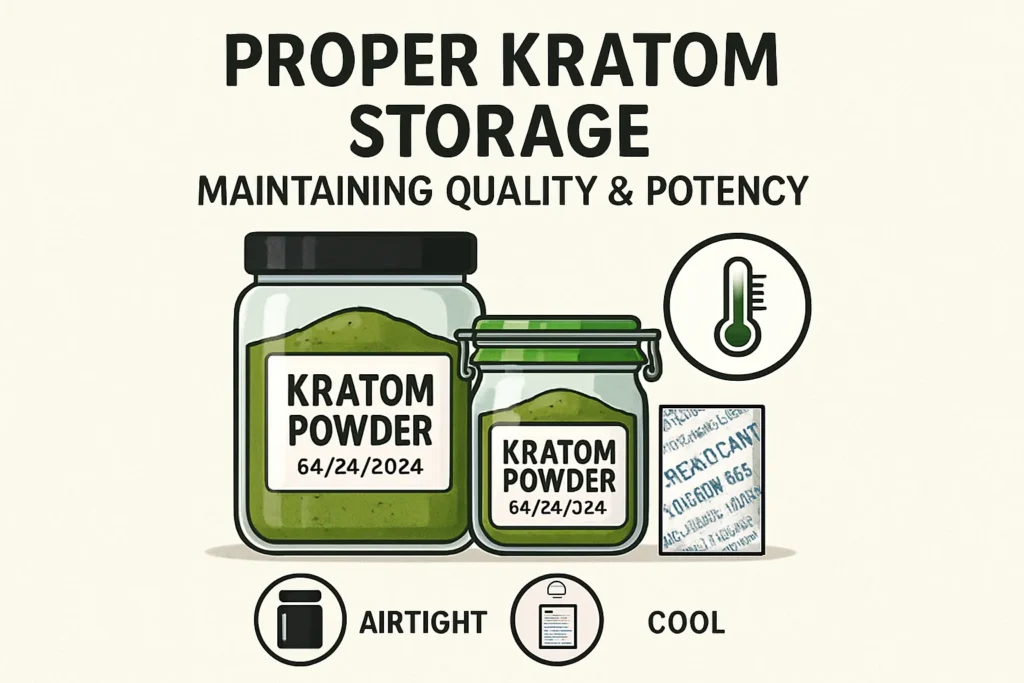
Learning how to buy kratom safely extends beyond the purchase itself to proper storage and handling practices that maintain quality and potency over time.
Signs of Degradation
Monitor your kratom for signs of quality loss:
Visual Changes:
- Color fading or significant darkening
- Visible mold or unusual spots
- Clumping or texture changes
Aroma Changes:
- Loss of characteristic earthy smell
- Musty or sour odors
- Chemical or off-putting scents
Effectiveness Changes:
- Reduced potency or effects
- Unusual or unpleasant taste
- Digestive discomfort after use
Common Mistakes to Avoid When Buying Kratom
Understanding common pitfalls can help you avoid costly mistakes and potential safety issues when learning how to buy kratom safely.
Mistake #1: Prioritizing Price Over Quality
The Problem: Choosing vendors based solely on low prices without considering quality indicators.
The Solution:
- Compare value rather than just price
- Factor in quality assurance costs
- Consider long-term satisfaction over short-term savings
- Remember that cheap kratom may be ineffective or unsafe
Mistake #2: Ignoring Lab Testing
The Problem: Purchasing from vendors who don’t provide comprehensive lab testing results.
The Solution:
- Always request and review COAs before purchasing
- Verify testing includes contaminants and alkaloid content
- Confirm testing is performed by accredited laboratories
- Avoid vendors who refuse to provide testing information
Mistake #3: Buying Large Quantities Initially
The Problem: Ordering large amounts from untested vendors or strains.
The Solution:
- Start with small sample sizes
- Test quality and personal response before larger orders
- Gradually increase order sizes as trust is established
- Maintain variety to avoid tolerance buildup
Mistake #4: Neglecting Legal Research
The Problem: Purchasing kratom without understanding local laws and regulations.
The Solution:
- Research federal, state, and local kratom laws
- Verify age requirements in your area
- Stay updated on changing regulations
- Understand import restrictions if ordering internationally
Mistake #5: Falling for Marketing Hype
The Problem: Being swayed by exaggerated claims or flashy marketing without substance.
The Solution:
- Focus on objective quality indicators
- Seek evidence-based information about strains and effects
- Avoid vendors making medical claims
- Rely on community feedback over marketing materials
Building a Relationship with Trusted Vendors
Developing long-term relationships with reliable vendors is a key aspect of how to buy kratom safely. These relationships can provide benefits beyond individual transactions.
Benefits of Vendor Relationships
Quality Assurance:
- Consistent access to tested, high-quality products
- Early notification of new batches and testing results
- Priority access to popular or limited strains
- Personalized recommendations based on purchase history
Customer Service:
- Faster resolution of any issues or concerns
- Flexible payment and shipping options
- Access to bulk pricing or loyalty discounts
- Direct communication channels for questions
Market Intelligence:
- Updates on industry developments and regulations
- Information about seasonal availability and pricing
- Advance notice of new products or strains
- Insights into market trends and quality standards
Maintaining Vendor Relationships
Communication:
- Provide feedback about product quality and experiences
- Ask questions about sourcing and processing methods
- Report any issues promptly and professionally
- Share positive experiences through reviews and referrals
Loyalty:
- Consolidate purchases with trusted vendors when possible
- Participate in loyalty programs or bulk purchasing options
- Refer friends and family to reliable vendors
- Support vendors who maintain high standards
Engagement:
- Follow vendors on social media for updates
- Participate in educational content and discussions
- Attend events or webinars hosted by vendors
- Stay informed about their quality assurance programs
Understanding Testing and Detection
An important consideration when learning how to buy kratom safely involves understanding testing and detection, particularly if you’re subject to drug testing for employment or other purposes.
Drug Testing Considerations
Standard drug tests typically don’t screen for kratom alkaloids, but specialized tests can detect kratom use. Understanding how long kratom stays in urine and other biological samples is important for making informed decisions about use.
Detection Windows:
- Urine: Typically 1-7 days depending on usage patterns
- Blood: Generally 24-48 hours
- Hair: Potentially up to 90 days with regular use
- Saliva: Usually 1-3 days
Factors Affecting Detection
Several factors influence how long kratom remains detectable:
- Frequency of use and dosage amounts
- Individual metabolism and body composition
- Hydration levels and kidney function
- Type of test and sensitivity levels
- Quality of kratom and alkaloid content
International Considerations and Import Regulations
For consumers interested in international kratom sources, understanding import regulations and international quality standards is crucial for safe purchasing.
Import Regulations
United States:
- FDA import requirements and restrictions
- Customs declarations and documentation
- State-specific import limitations
- Personal use quantity restrictions
Documentation Requirements:
- Proper labeling and ingredient declarations
- Country of origin certificates
- Quality testing documentation
- Import permits where required
Emergency Preparedness and Safety Protocols
Understanding how to buy kratom safely includes preparing for potential issues and knowing how to respond to quality concerns or adverse reactions.
Quality Issue Response
Immediate Actions:
- Stop using the suspect product immediately
- Document symptoms or quality issues with photos
- Contact the vendor to report the problem
- Seek medical attention if experiencing adverse reactions
Follow-up Steps:
- Request refund or replacement for defective products
- Report serious quality issues to relevant authorities
- Share experiences with the community to warn others
- Consider switching to alternative vendors
Building Emergency Protocols
Preparation:
- Maintain contact information for trusted vendors
- Keep documentation of all purchases and lab results
- Establish relationships with healthcare providers familiar with kratom
- Create a support network of experienced kratom users
Response Planning:
- Know when to seek medical attention
- Understand how to report quality issues effectively
- Maintain backup vendor options for continuity
- Keep emergency contact information readily available
Kratom Buying Guide FAQ
Conclusion
Learning how to buy kratom safely requires a comprehensive understanding of quality indicators, vendor evaluation, legal considerations, and safe purchasing practices. The key to successful kratom purchasing lies in prioritizing quality over price, demanding transparency from vendors, and maintaining vigilance throughout the purchasing process.
- Always verify third-party lab testing and request certificates of analysis for every purchase
- Research vendor reputation thoroughly using multiple sources and community feedback
- Start with small quantities to test quality and personal response before committing to larger purchases
- Stay informed about legal status in your area and comply with all applicable regulations
- Maintain proper storage practices to preserve quality and potency over time
The kratom market continues to evolve, with increasing emphasis on quality standards and consumer protection. By following the guidelines outlined in this comprehensive guide, consumers can navigate this market safely while accessing high-quality products from reputable vendors.
Remember that building relationships with trusted vendors, staying informed about industry developments, and maintaining a commitment to safety will serve you well in your kratom purchasing journey. The investment in research and careful vendor selection pays dividends in terms of product quality, safety, and overall satisfaction.
Daniel Brooks
Daniel Brooks is a U.S. based botanical writer with over six years of hands on experience in kratom focused content. He studies kratom strains, sourcing standards, dosage patterns, and consumer safety topics. He stays up to date with current news, regulatory changes, and market trends related to kratom and botanical products.
His work includes educational guides, strain breakdowns, and vendor reviews written for everyday users. He avoids promotional language and presents clear facts. Daniel helps readers understand both benefits and risks so they can make informed choices about responsible kratom use.