


How Long Does Kratom Stay In Urine? Detection Times Explained
Worried about kratom showing up on drug tests? Here is the deal. How long does kratom stay in urine depends on testing type. Kratom is not on standard workplace panels, but specialized tests can detect it. Detection windows vary by usage frequency, metabolism, and dosage. Understanding timing helps you plan smarter decisions.
- Kratom typically stays detectable in urine for 5-7 days after last use, though this can vary significantly based on individual factors
- Standard drug tests don't screen for kratom - specialized tests are required to detect mitragynine and 7-hydroxymitragynine
- Dosage, frequency, and individual metabolism play major roles in determining how long kratom remains in your system
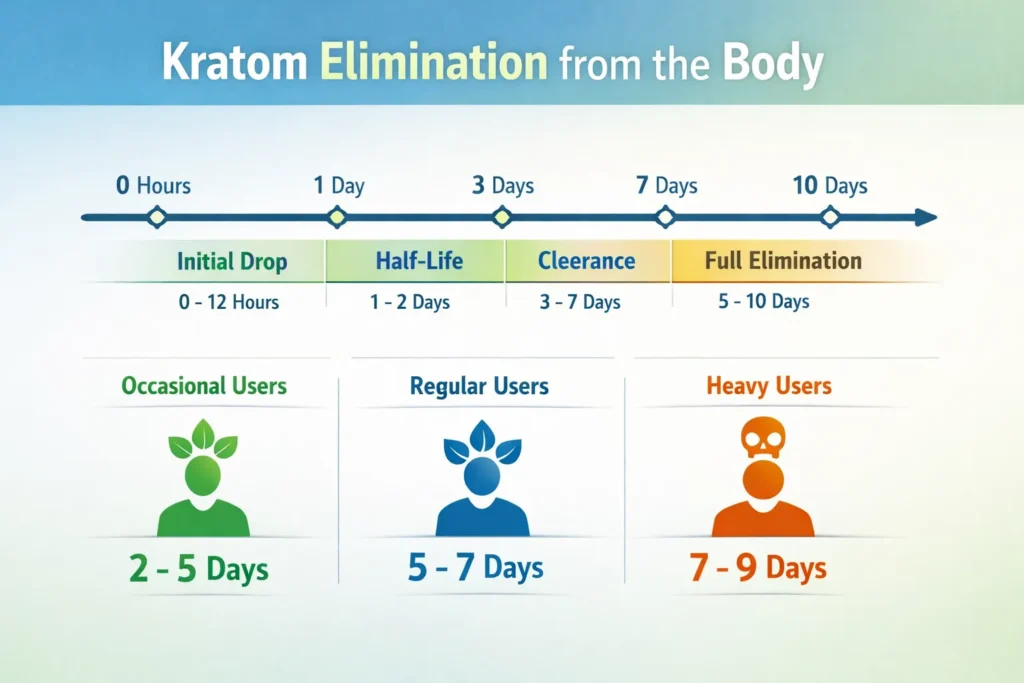
- Heavy users may test positive for up to 9 days while occasional users might clear kratom in 2-3 days
- No proven methods exist to speed up kratom elimination - time and natural metabolism are the only reliable clearance methods
Understanding Kratom Detection Basics
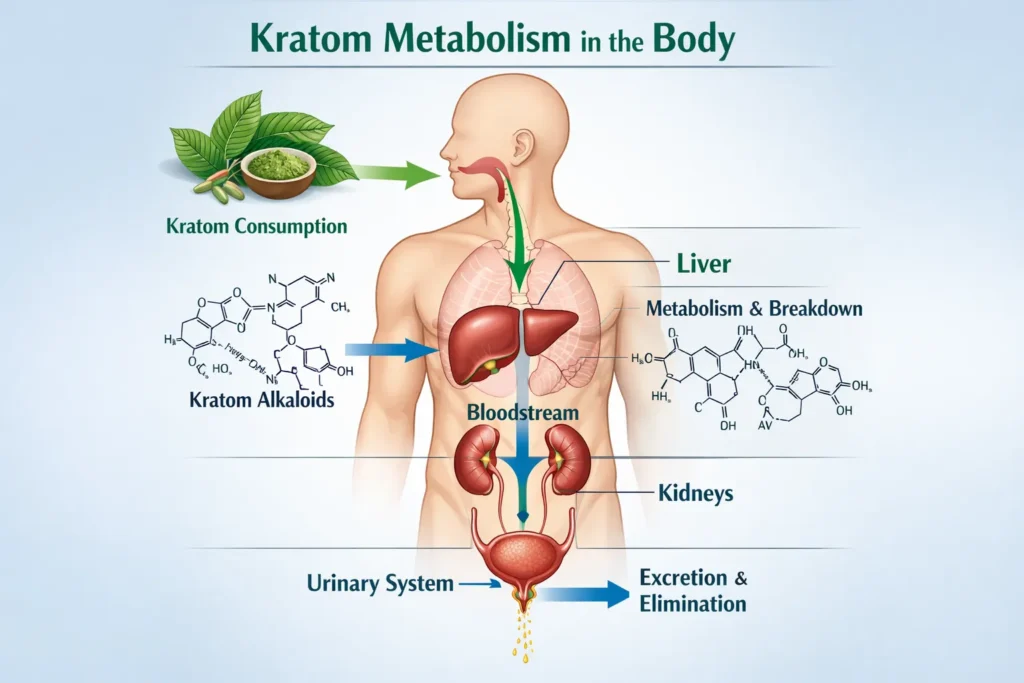
Kratom contains over 40 alkaloids, with mitragynine and 7-hydroxymitragynine being the primary active compounds. When consumed, these alkaloids undergo metabolism in the liver before being eliminated through urine, making urine tests the most common method for kratom detection.
Unlike standard 5-panel or 10-panel drug tests used by most employers, kratom requires specialized testing procedures. This means routine workplace screenings typically won't detect kratom use unless specifically requested by the testing facility.
How Kratom Metabolism Works
The body processes kratom through several stages:
- Absorption: Alkaloids enter the bloodstream through the digestive system
- Distribution: Compounds circulate throughout the body, binding to opioid receptors
- Metabolism: The liver breaks down alkaloids into metabolites
- Elimination: Metabolites are filtered out through kidneys and excreted in urine
The half-life of mitragynine ranges from 3.85 to 9.43 hours, meaning it takes this long for half the substance to be eliminated from your system. Complete elimination typically requires 5-6 half-lives, explaining why detection windows extend several days beyond last use.
Primary Factors Affecting Detection Time
Dosage and Frequency 💊
Higher doses and frequent use significantly extend detection windows. Regular users who consume kratom daily may accumulate alkaloids in fatty tissues, leading to prolonged elimination periods.
| Usage Pattern | Typical Detection Window |
|---|---|
| Single use (1-2g) | 1-3 days |
| Occasional use (2-3 times/week) | 2-5 days |
| Regular use (daily) | 5-7 days |
| Heavy use (multiple daily doses) | 7-9 days |
Individual Metabolism Factors
Several personal characteristics influence how quickly your body processes kratom:
Age and Overall Health: Younger individuals with healthy liver and kidney function typically clear substances faster than older adults or those with compromised organ function.
Body Mass and Composition: Higher body fat percentages may store alkaloids longer, as some compounds can accumulate in fatty tissues.
Hydration Levels: Proper hydration supports kidney function and may help with elimination, though it won't dramatically reduce detection times.
Genetic Variations: Enzyme production varies between individuals, affecting metabolism speed. Some people naturally process substances faster due to genetic factors.
Detection Methods and Accuracy
Urine Testing Specifics
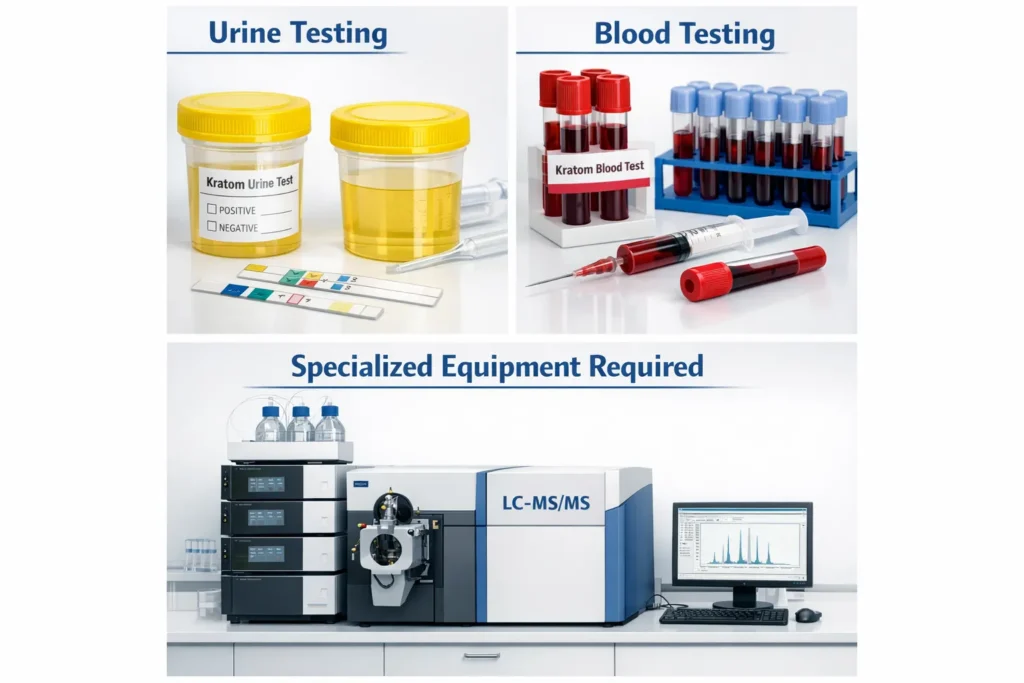
Urine tests represent the gold standard for kratom detection due to their reliability and extended detection window. These tests specifically look for:
- Mitragynine metabolites
- 7-hydroxymitragynine metabolites
- Other minor alkaloid breakdown products
Most kratom urine tests use liquid chromatography-mass spectrometry (LC-MS/MS) technology, providing high accuracy and low false-positive rates.
Other Testing Methods
Blood Tests: Detect kratom for 1-3 days but are rarely used due to the short detection window and invasive nature.
Hair Tests: Can potentially detect kratom use for up to 90 days, though these tests are expensive and not commonly employed.
Saliva Tests: Limited detection window of 1-2 days makes them less practical for most screening purposes.
Timeline: How Long Does Kratom Stay In Urine?
Understanding the elimination timeline helps users make informed decisions about kratom consumption and potential testing scenarios.
Immediate Phase (0-6 Hours)
During this period, kratom alkaloids are actively circulating in the bloodstream. Peak concentrations typically occur 1-2 hours after consumption, depending on whether kratom was taken on an empty stomach and the form consumed (powder, capsules, or tea).
Early Elimination (6-24 Hours)
The body begins actively metabolizing kratom alkaloids. Users with faster metabolisms may start clearing compounds during this phase, though detection remains highly likely in urine tests.
Primary Clearance (1-3 Days)
For occasional users taking moderate doses, this represents the primary elimination window. Light users may test negative by day 2-3, especially with proper hydration and healthy kidney function.
Extended Clearance (3-7 Days)
Regular users typically require this full window for complete elimination. Daily kratom consumption leads to alkaloid accumulation, extending the time needed for metabolites to clear below detectable thresholds.
Heavy User Clearance (7+ Days)
Individuals consuming large doses multiple times daily may require 7-9 days or longer for complete clearance. Some heavy users report positive tests up to 12 days after cessation, though this represents the extreme end of the detection spectrum.
🧪 Kratom Detection Time Estimator
Factors That Don't Affect Detection Time
Drinking Excessive Water: While hydration supports kidney function, "flushing" with large amounts of water won't significantly reduce detection times. Overhydration may actually trigger test invalidation due to diluted samples.
Exercise and Sweating: Physical activity supports overall health but doesn't meaningfully accelerate kratom elimination. Unlike some substances stored in fat cells, kratom alkaloids don't accumulate significantly in fatty tissues.
Detox Products and Supplements: No scientific evidence supports commercial detox products for kratom elimination. These expensive supplements often contain diuretics or vitamins that don't affect alkaloid metabolism.
Acidic or Alkaline Foods: Dietary pH changes don't impact kratom metabolism or elimination rates. The liver's enzymatic processes operate independently of minor dietary pH variations.
Frequently Asked Questions
How long does kratom stay in urine?
Kratom and its active metabolites, primarily mitragynine, can typically be detected in a urine drug test for approximately 5 to 7 days after the last dose. However, this window can vary depending on individual factors such as metabolism, dosage, and frequency of use.
What factors affect how long kratom stays in your system?
Several individual and usage-related factors influence detection time:
- Dosage amount taken per use
- Frequency of kratom consumption
- Individual metabolic rate and body composition
- Hydration level and kidney function
- Age and overall liver health
Can a standard urine drug test detect kratom?
Most standard urine drug tests, such as the common 5-panel or 10-panel screens, do not specifically test for kratom. Kratom is only detected when a laboratory uses a specific kratom immunoassay or confirms results through mass spectrometry. Employers or courts must request kratom-specific testing for it to appear.
What are the common methods used to detect kratom in urine?
Laboratories may use several techniques to identify kratom metabolites:
- Immunoassay screening designed for kratom
- Gas chromatography-mass spectrometry (GC-MS)
- Liquid chromatography-mass spectrometry (LC-MS)
- Confirmation testing to verify initial screening results
Does kratom show up on a 12-panel drug test?
A standard 12-panel drug test does not include kratom as one of its screened substances. Kratom is not a federally scheduled drug in the United States, so it is rarely included in routine workplace or legal screening panels unless specifically requested by the testing authority.
How can you speed up the removal of kratom from your system?
While there is no guaranteed method to flush kratom faster, certain lifestyle practices may support normal detoxification:
- Stay well hydrated by drinking adequate water daily
- Maintain a balanced diet rich in fiber and nutrients
- Engage in regular moderate physical activity
- Allow sufficient time between the last dose and any test date
How long does kratom stay in urine for heavy users?
For individuals who use kratom frequently or in higher doses, detection in urine may last longer than the standard 5 to 7 day window. Some reports suggest metabolites could remain detectable for up to 10 days or slightly beyond, particularly in individuals with slower metabolisms or reduced kidney function.
What metabolites of kratom are detected in urine tests?
Urine tests look for specific compounds produced when the body processes kratom:
- Mitragynine – the primary active alkaloid in kratom
- 7-Hydroxymitragynine – a potent metabolite of mitragynine
- Corynantheidine – another alkaloid present in kratom leaves
- Paynantheine – a minor but detectable alkaloid
Can kratom be detected in urine after just one use?
Yes, even a single dose of kratom can be detected in urine if tested within the detection window. For a one-time user, metabolites are typically traceable for around 3 to 5 days, though this depends on the dose taken and the individual's rate of metabolism.
Is kratom legal, and does that affect drug testing?
Kratom is legal at the federal level in the United States but has been banned in certain states and localities. Its legal status does not directly determine whether it is included in a drug test. Testing for kratom depends entirely on whether the testing provider has been instructed to screen for it specifically.
Should I tell my employer I use kratom before a drug test?
Whether to disclose kratom use is a personal and situational decision. Since kratom is not always included in standard panels, it may not appear on routine tests. Consulting with a healthcare professional or a legal advisor beforehand can help you understand your specific workplace policies and rights.
Conclusion
Understanding how long kratom stays in urine requires considering multiple interconnected factors including dosage, frequency, individual metabolism, and testing methodology. While general guidelines suggest 5-7 days for most users, individual experiences can vary significantly from 2-3 days for occasional users to 9+ days for heavy consumers.
